Gratitude isn’t about pretending everything is perfect.
It’s about training your mind to notice what’s good, steady, and supportive—especially on the days you feel tired, stressed, or emotionally heavy.
When practiced consistently, gratitude can shift your mood, regulate stress, and help you feel more present in your life.
Here are 10 simple gratitude habits you can start using immediately.
1. Keep a Gratitude Journal
At the end of each day, write down 3–5 things you’re grateful for.
They don’t have to be big:
A calm moment
A good conversation
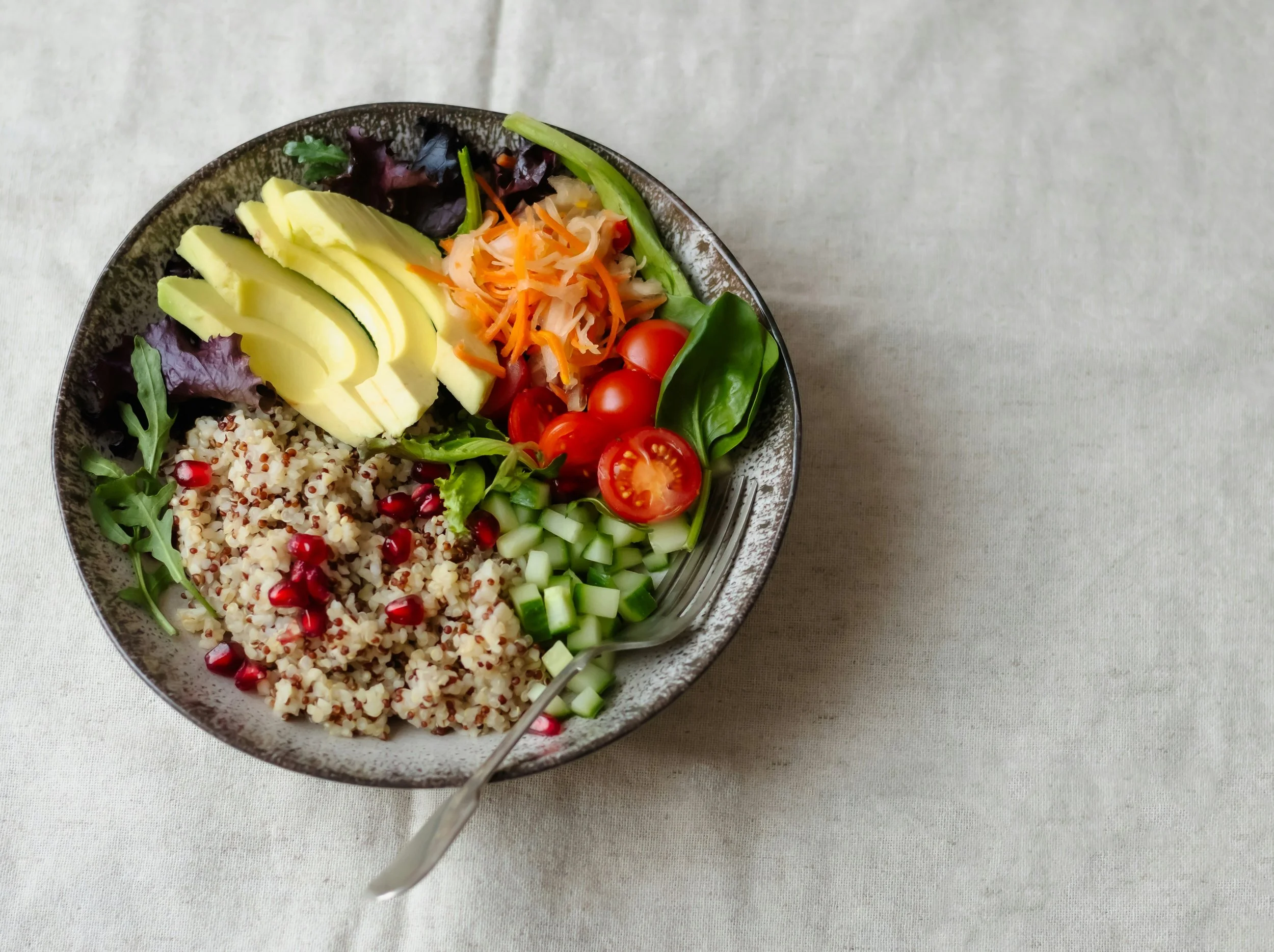
A nourishing meal
A small win
This practice trains your brain to search for stability and goodness—not just problems.
2. Create a Gratitude Jar
Keep a jar and small slips of paper nearby.
Whenever something good happens—big or small—write it down and drop it in.
On harder days, pull one out and remind yourself: your life still contains light, even when today feels heavy.
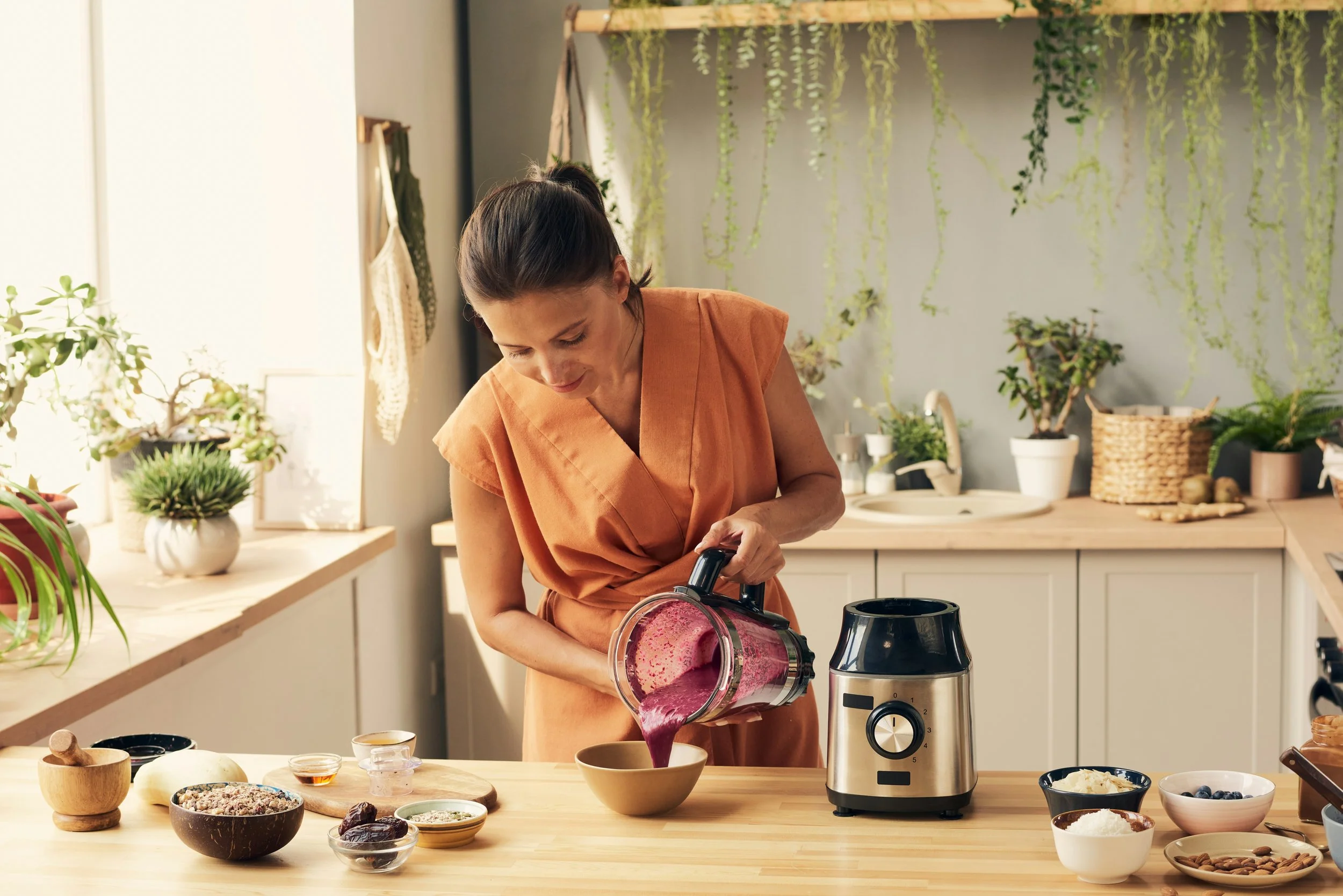
3. Practice Gratitude Before Meals
Before eating, pause for just 10 seconds.
Give thanks for the food and the many hands that made it possible—farmers, workers, cooks, servers, delivery drivers, and everyone involved.
Then eat more mindfully:
Notice the flavors, texture, color, and nourishment.
This turns eating into a grounding ritual—especially helpful for stress and emotional eating.
4. Carry a Gratitude Stone
Keep a small stone or token in your pocket—something meaningful to you.
Each time you touch it, let it trigger a simple thought:
“What am I grateful for in this moment?”
This becomes a quiet reset during busy days.
5. Thank Your Body in the Mirror
This one is powerful—especially for women who are healing their relationship with their body.
Look at yourself and express appreciation for what your body does for you:
Your legs for carrying you
Your arms for holding others
Your hands for creating, working, building
Your heart for beating without you asking
Your breath for keeping you alive
Gratitude softens body criticism and builds self-respect.
6. Use Gratitude Breathing
Take a few slow breaths and imagine:
Inhaling gratitude
Exhaling peace
As you inhale, let gratitude wash through your body.
As you exhale, release tension—jaw, shoulders, chest, belly.
This is a simple nervous system reset you can do anywhere.
7. Keep a “What I’ve Overcome” List
Write down the hard things you’ve survived and moved through.
This builds gratitude for your resilience and strength—especially on days you feel discouraged.
You don’t need to “prove” you’re strong. You already are.
8. Track the Lessons You’ve Learned
Every adversity holds a lesson—even if it took time to see it.
Write down what each season taught you:
Boundaries
Patience
Self-trust
Courage
Emotional growth
Gratitude for lessons helps you stop seeing challenges as meaningless pain.
9. Share Gratitude with Others
At dinner or during a call, ask:
“What’s one thing you’re grateful for today?”
Then share yours.
This creates connection, builds positive emotional energy, and shifts the tone of your relationships.
10. Start the Morning with Thanks
Before you check your phone, take a moment to acknowledge:
“This is a new day.”
Even if life feels uncertain, beginning with gratitude creates a calmer foundation for everything that follows.
Gratitude doesn’t erase challenges—but it changes how you move through them.
When you practice gratitude consistently, you train your nervous system to feel safer, your mind to feel steadier, and your heart to feel more supported.
If you want more mindful wellness practices designed for women 35+, explore additional resources at MindfulnessWomen.com.