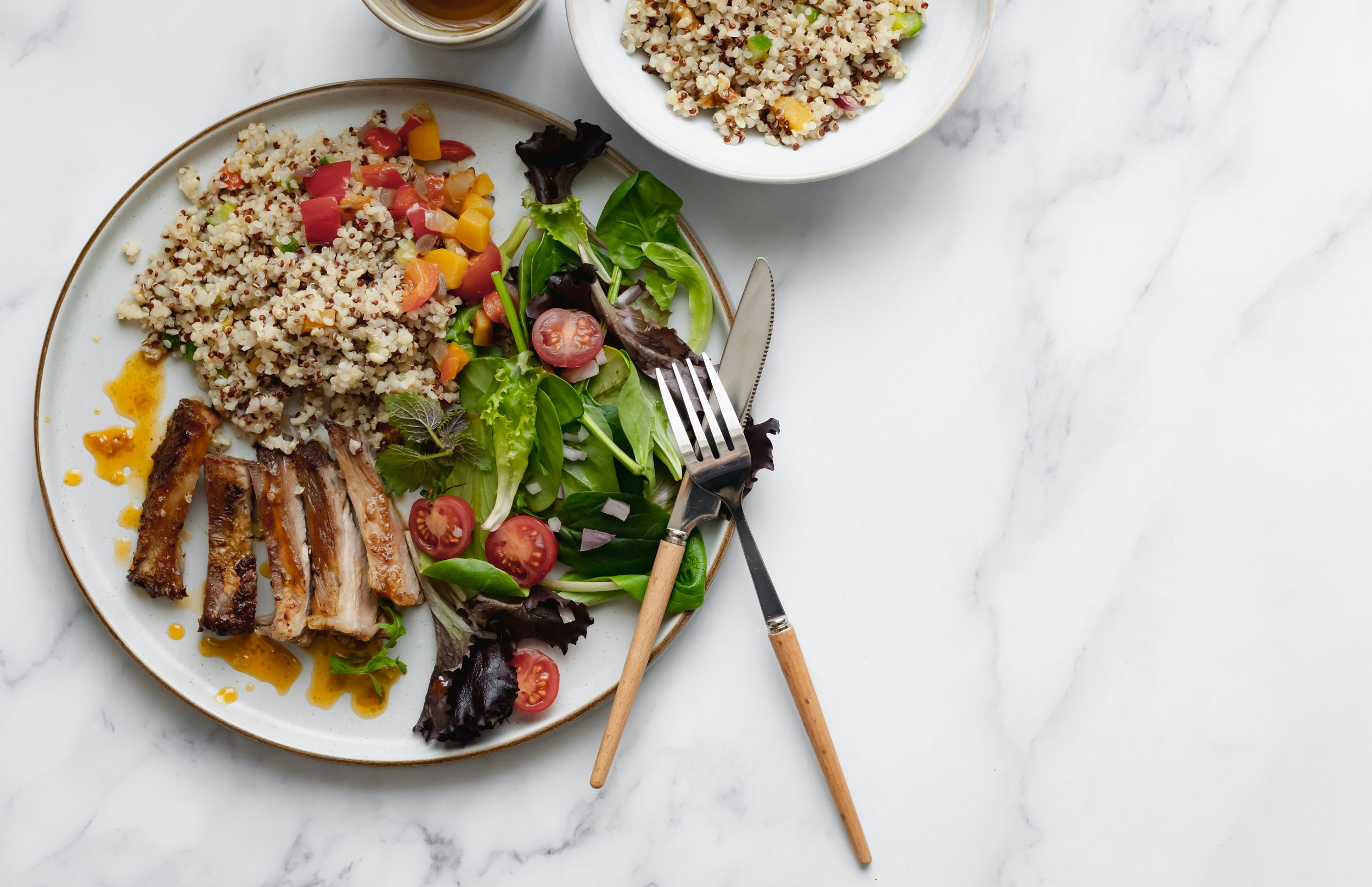
Some foods are harder to resist than others—especially those high in refined carbs, added sugar, salt, and fat. These combinations light up the brain’s reward system, making cravings feel loud and urgent.
Here are six common foods that can easily derail clean eating goals—plus a more realistic way to think about them.
1) Pizza
Pizza is a classic “can’t stop at one slice” food because it combines refined flour (crust), high fat (cheese), and salt—a trio that can be very hard to resist. It’s also filling, flavorful, and easy to eat quickly.
2) Chocolate
Many women reach for chocolate during stress, fatigue, or sugar cravings. Milk chocolate tends to be more addictive because it’s usually higher in added sugar. Dark chocolate can be a better option because it often has less sugar and feels more satisfying in smaller amounts.
3) Soda (Regular and Diet)
Regular soda has little nutritional value and is loaded with added sugar, which can spike cravings and energy crashes.
Diet soda doesn’t contain sugar, but the intense sweetness can still keep some people craving sweet foods. If you drink it, it doesn’t mean you’re “ruining” your health—just be mindful of how it affects your appetite, cravings, and overall habits.
4) Fast Food
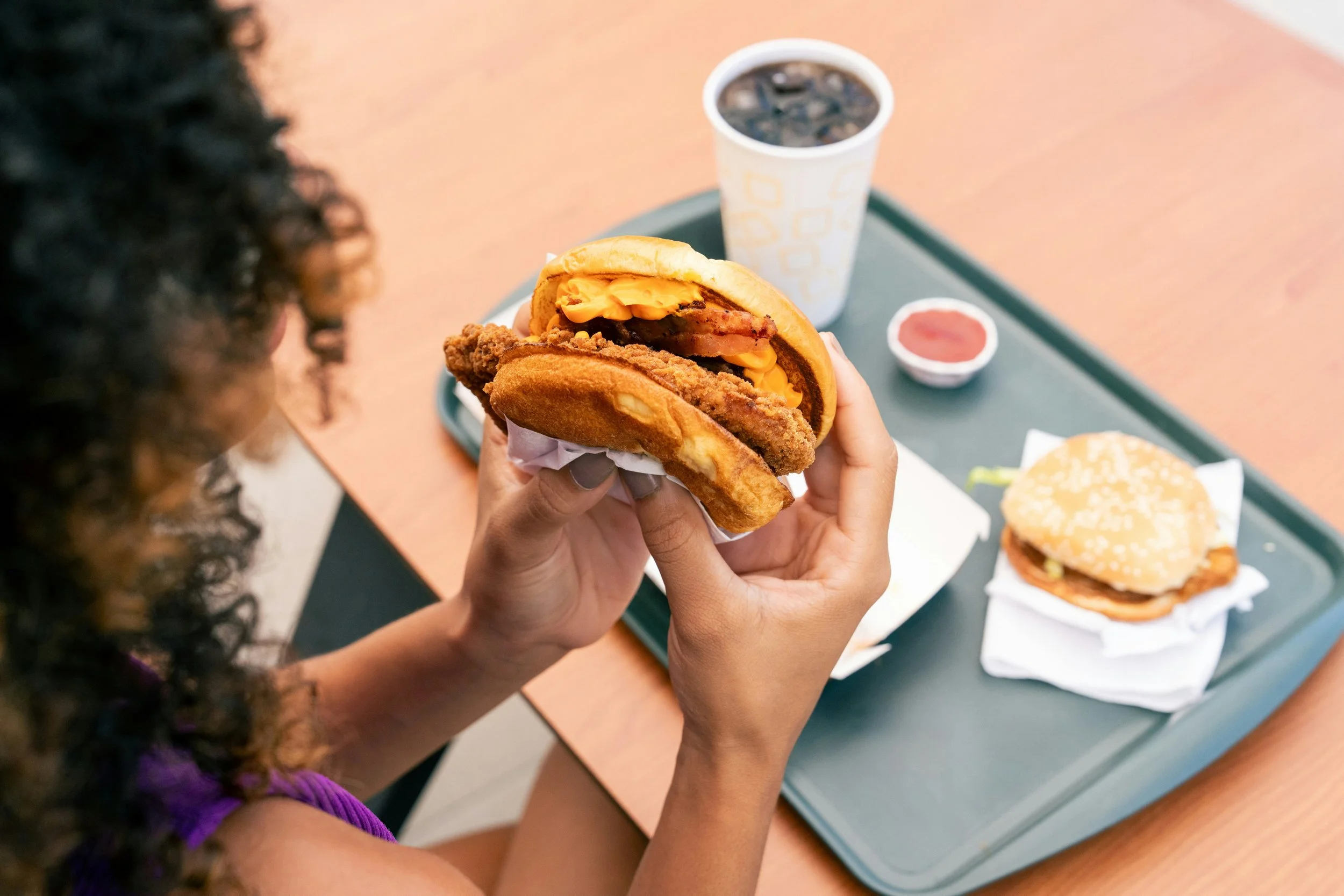
Fast food cravings happen for a reason: many fast-food items are highly processed and designed to taste intensely good—often with added sugar, salt, fat, and refined carbs. Over time, these foods can make clean, whole foods feel less exciting, which keeps the craving cycle going.
5) Bread and Refined Carbs
It may sound strange to think of bread as “addictive,” but refined carbs can trigger cravings because they digest quickly and can lead to a blood sugar crash—making you want more soon after.
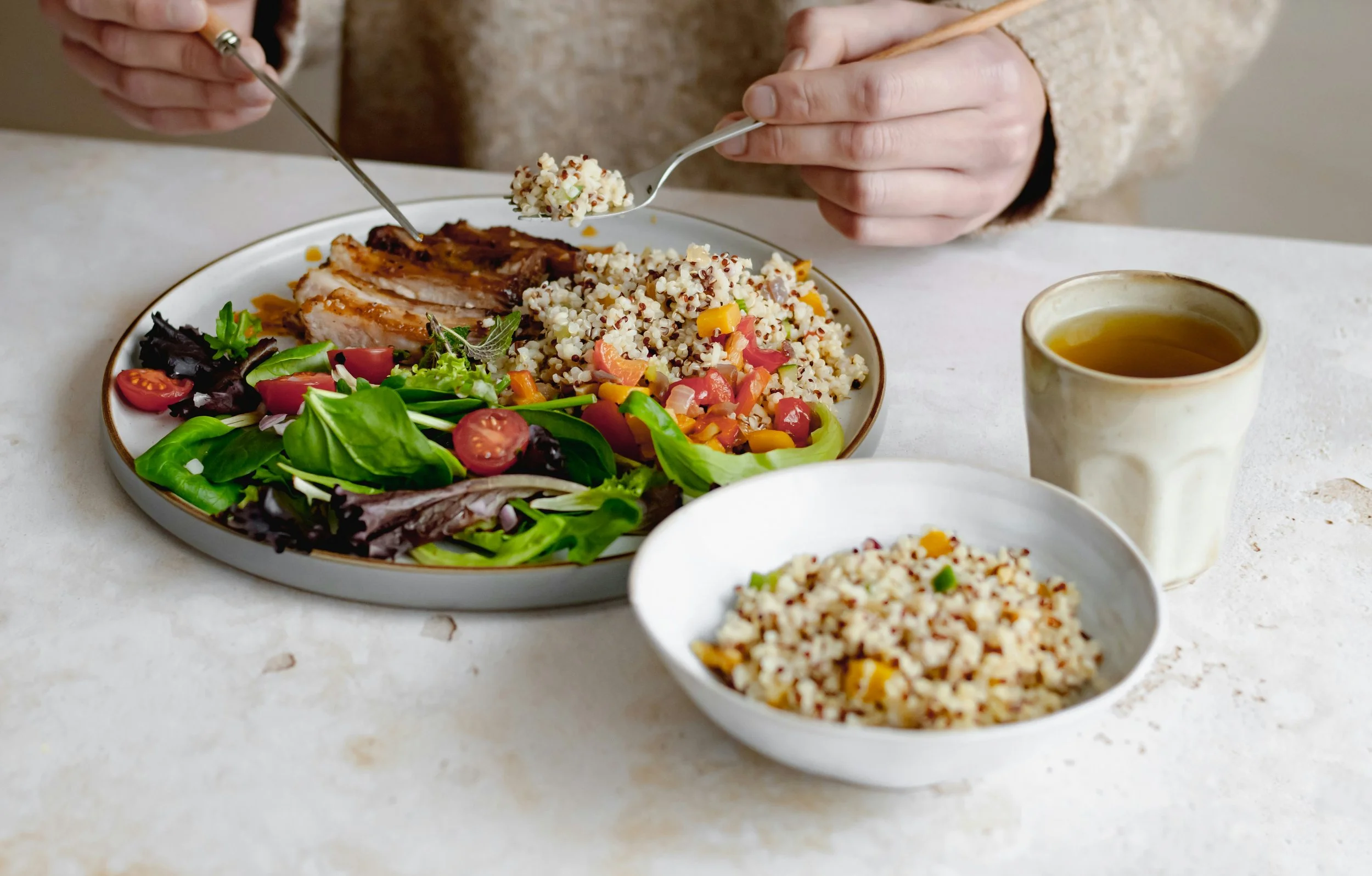
The goal isn’t to fear carbs. It’s to choose higher-fiber carbs more often and pair carbs with protein and healthy fat to stay full longer.
6) Cheese
Cheese isn’t “bad,” but it’s easy to overeat because it’s high in fat, salty, and very satisfying—especially when you’re stressed or hungry. In larger amounts, it can contribute to digestive discomfort for some people and make it easier to exceed your calorie needs without realizing it.
A simple way to use this list (without feeling deprived)
Instead of trying to “quit” everything, focus on this:
Keep trigger foods out of your daily routine (save them for intentional treats)
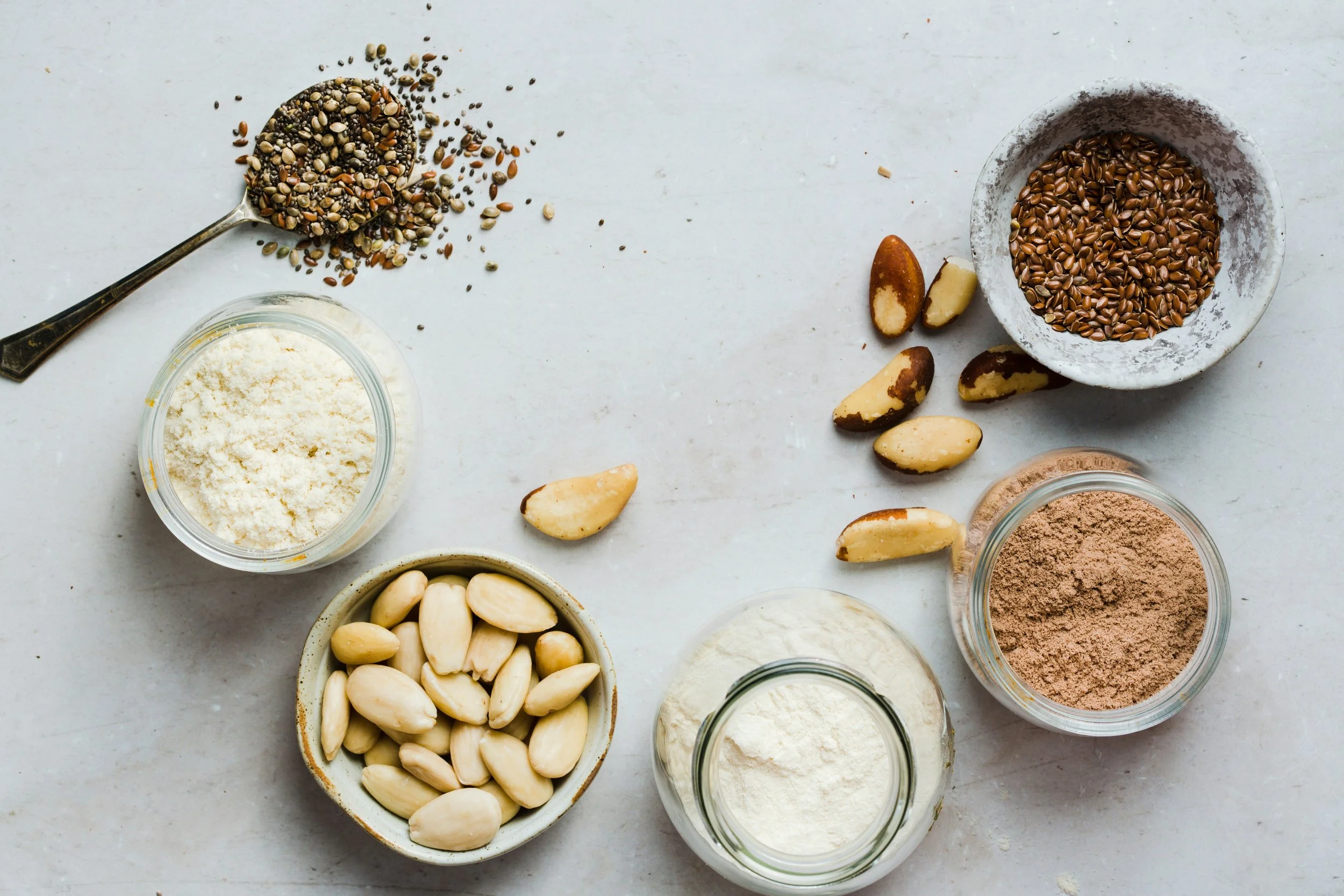
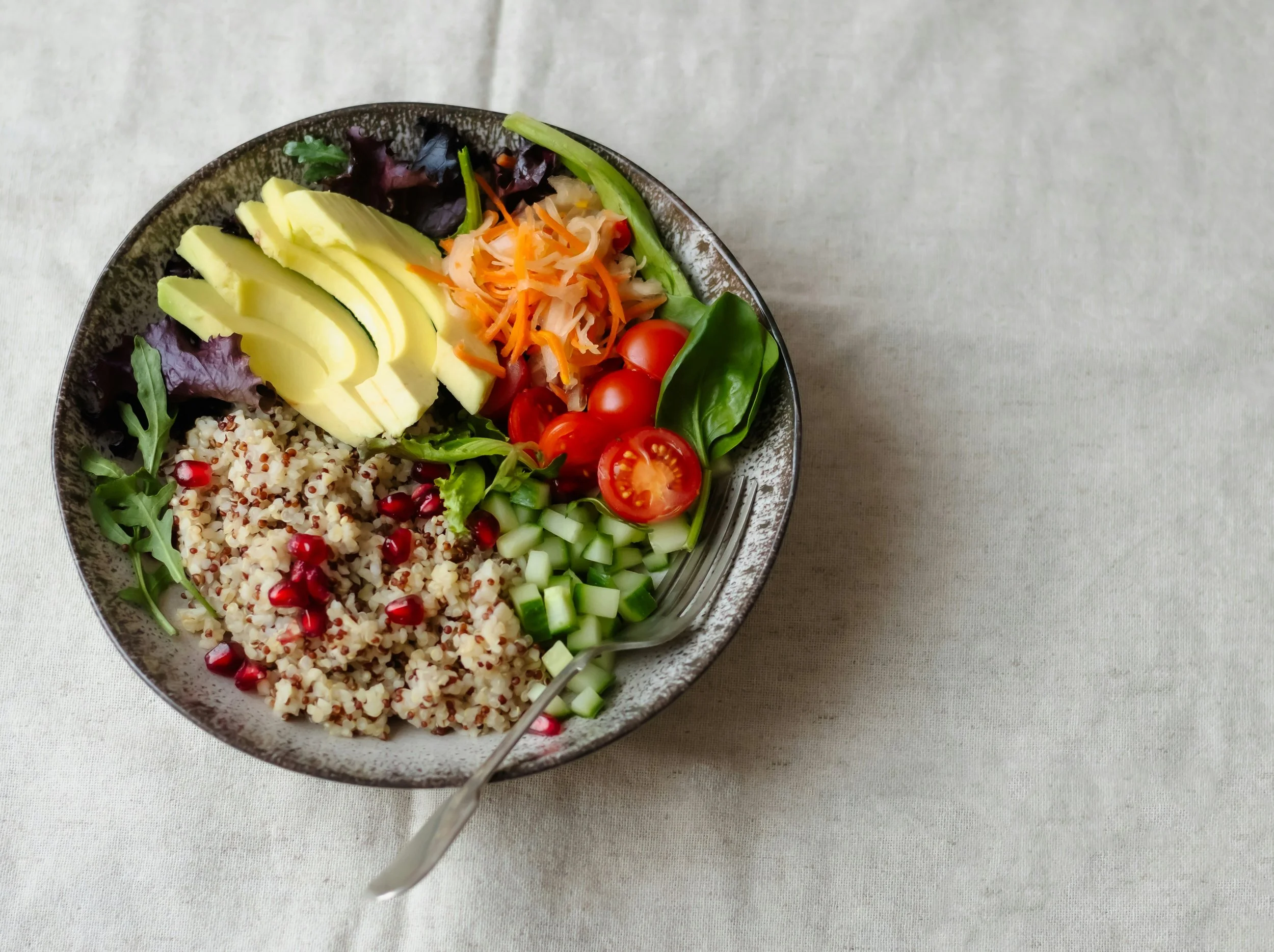
Make clean swaps you actually like
Eat enough protein + fiber daily so cravings aren’t running your day