Many women are taught to push through exhaustion, ignore their needs, and prioritize everything and everyone else first.
But over time, this leads to burnout, hormone imbalances, chronic fatigue, and emotional depletion.
Self-care isn’t about indulgence — it’s about regulation.
The small ways you care for yourself daily directly impact your mood, metabolism, nervous system, and overall wellbeing.
Use the practices below as gentle anchors to reconnect with yourself.
Emotional & Mental Wellness
Your emotional state plays a direct role in hormone balance, nervous system regulation, and physical health.
When emotions are suppressed or unmanaged, they often show up as fatigue, anxiety, inflammation, or emotional eating.
1. Learn to process your feelings
Allow yourself to feel emotions without judgment. Journaling, therapy, or quiet reflection can help you release emotional buildup rather than carrying it in your body.
2. Practice saying “no”
Boundaries protect your energy. Overcommitting leads to resentment and exhaustion. Saying no creates space for what truly matters.
3. Spend intentional time alone
Solitude allows you to hear your own thoughts again. Even brief moments of quiet help regulate stress hormones.
4. Practice mindfulness
Being present reduces anxiety about the future and rumination about the past. It grounds your nervous system.
5. Turn off noise and sit in silenceConstant stimulation keeps your body in fight-or-flight mode. Silence restores calm.
6. Release draining relationships
Your environment includes people. Protect your peace by limiting exposure to those who create stress.
7. Be okay with disappointment
Resilience builds emotional strength. Not everything will go as planned — and that’s okay.
8. Become your own best friend
Speak to yourself with compassion, patience, and support — not criticism.
9. Evaluate your friendships
Choose relationships that feel safe, reciprocal, and uplifting.
10. Simplify your routine
Overpacked schedules elevate cortisol. Build breathing room into your life.
11. Affirm your strengths
Write down your positive qualities and revisit them often to build confidence.
12. Practice positive self-talk
Your inner dialogue affects your stress response.
13. Journal regularly
Writing creates emotional clarity and release.
Physical & Hormonal Wellness
Your body responds to how you nourish, move, and rest it.
Supporting your physical health is one of the fastest ways to stabilize hormones and energy.
14. Prioritize deep sleep
Sleep regulates cortisol, insulin, hunger hormones, and mood.
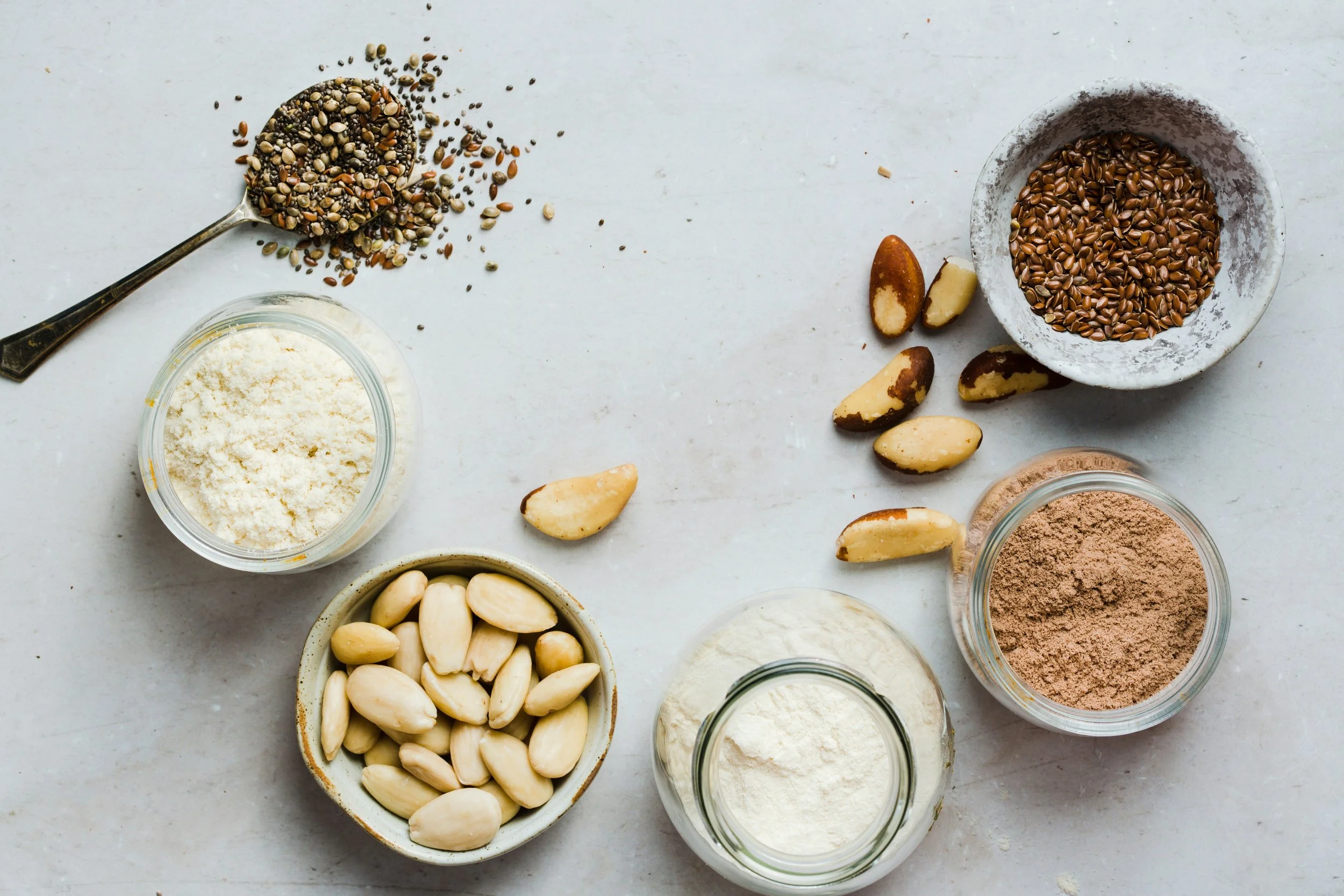
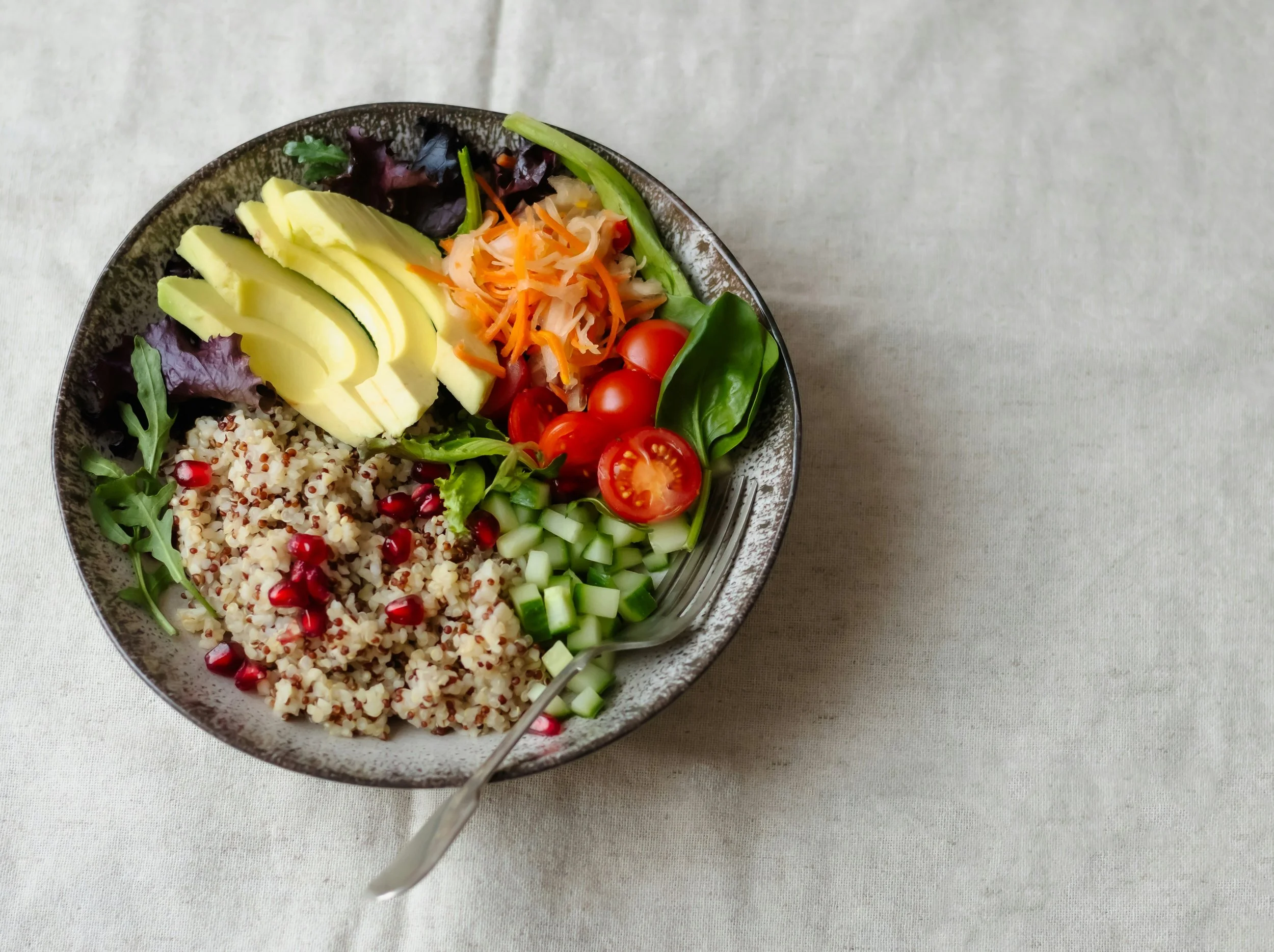
15. Eat clean, whole foods
Nutrient-dense foods reduce inflammation and support hormone production.
16. Hydrate consistently
Dehydration contributes to fatigue, cravings, and brain fog.
17. Move your body daily
Movement improves circulation, metabolism, and emotional wellbeing.
18. Stretch often
Stretching releases stored tension and improves mobility.
19. Practice yoga
Yoga combines breath and movement to regulate the nervous system.
20. Walk outdoors
Walking reduces stress and supports cardiovascular health.
21. Get sunlight exposure
Sunlight supports vitamin D and circadian rhythm balance.
22. Take restorative naps
Short naps reset mental clarity and energy.
Mindful Lifestyle Rituals
Your daily rhythms shape your internal balance.
Rituals create structure, calm, and emotional grounding.
23. Create a morning routine
Start your day with intention instead of urgency.
24. Drink herbal tea
Herbal blends like chamomile or peppermint calm the body.
25. Practice deep breathing
Breathwork resets your stress response.
26. Meditate
Even a few minutes builds emotional resilience.
27. Schedule time to do nothing
Rest without productivity attached.
28. Leave unscheduled time
Space invites creativity and calm.
29. Allow spontaneity
Joy often lives outside rigid plans.
30. Plan nourishing meals
Preparation supports consistency.
Joy & Personal Fulfillment
Joy isn’t optional — it’s medicinal.
Pleasure, laughter, and play regulate stress hormones.
31. Do one thing daily that makes you happy
Small joys build emotional resilience.
32. Play freely
Childlike joy releases emotional tension.
33. Dance
Movement + music boosts endorphins.
34. Explore hobbies
Creative outlets regulate stress.
35. Try new experiences
Novelty stimulates the brain positively.
36. Take scenic drives
Nature + movement = emotional reset.
37. Go on personal retreats
Intentional rest deepens healing.
Environment & Energy Care
Your surroundings influence your nervous system more than you realize.
38. Create calming spaces
Soft lighting, clean areas, and soothing scents matter.
39. Declutter
Physical clutter often equals mental clutter.
40. Unplug from devices
Digital detox supports mental clarity.
41. Limit social media
Reduce comparison and overstimulation.
42. Use essential oils
Scents like lavender promote calm.
Nourishing Self-Connection
How you treat yourself sets the standard for your wellbeing.
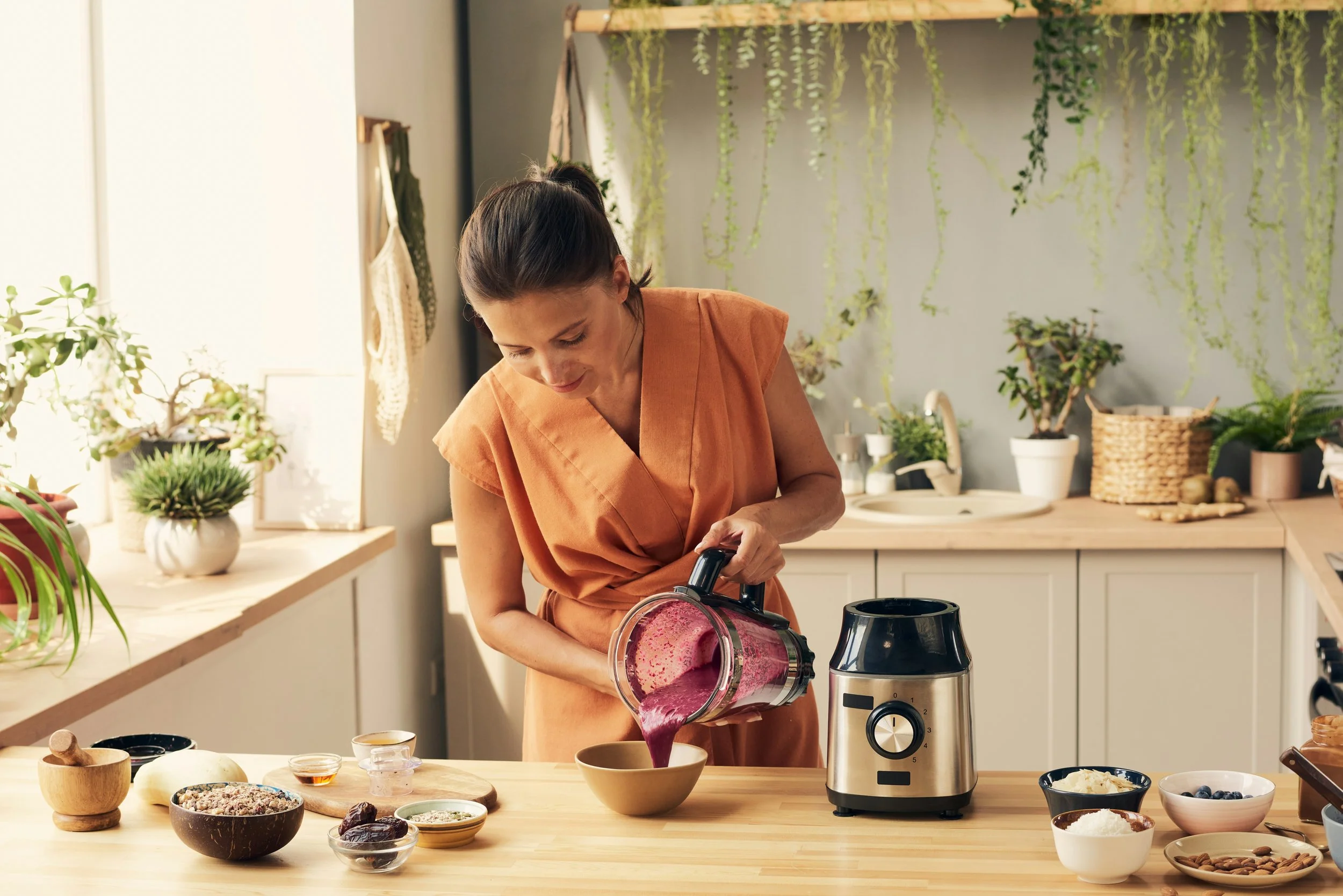
43. Cook nourishing meals
Cooking builds mindfulness around food.
44. Schedule beauty care
Grooming rituals build confidence.
45. Plan spa treatments
Body care releases stored stress.
46. Take yourself on solo dates
Enjoy your own presence.
47. Have candlelit dinners alone
Romanticize your life.
48. Spend time in botanical gardens or nature spaces
Nature restores emotional equilibrium.
49. Receive and give love freely
Love — from self and others — is deeply healing.
Final Reflection
Self-care isn’t something you earn after burnout.
It’s something you practice so burnout never takes hold.
When you care for your body, mind, and hormones daily, you build:
Sustainable energy
Emotional stability
Hormonal balance
Inner peace
Start small. Stay consistent. Let your care for yourself compound over time.