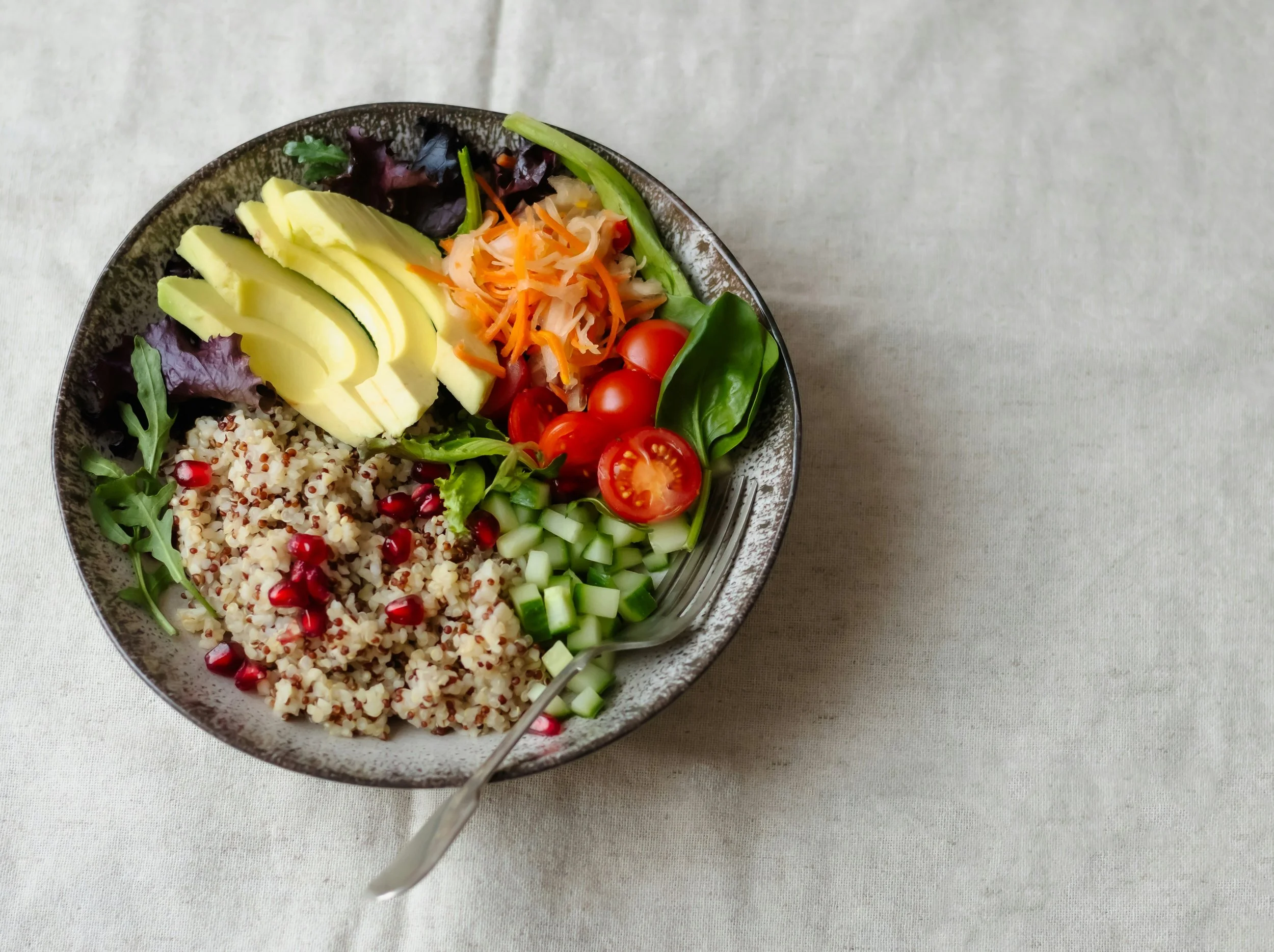
Once you hit your mid-30s, your body starts craving real nourishment. Not quick fixes. Not fad diets. Not calorie-counting chaos.
That’s where whole foods come in.
What Are Whole Foods?
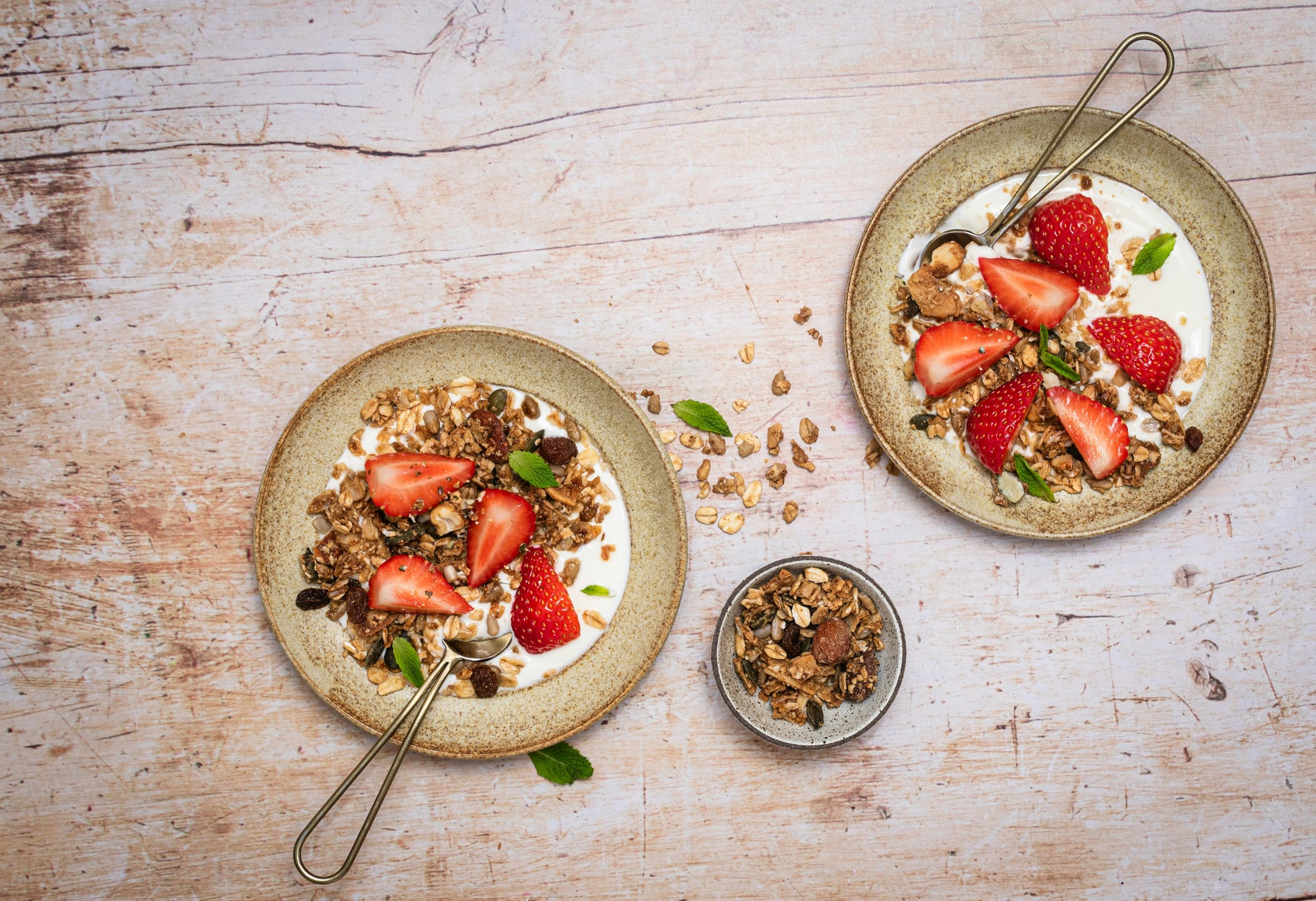
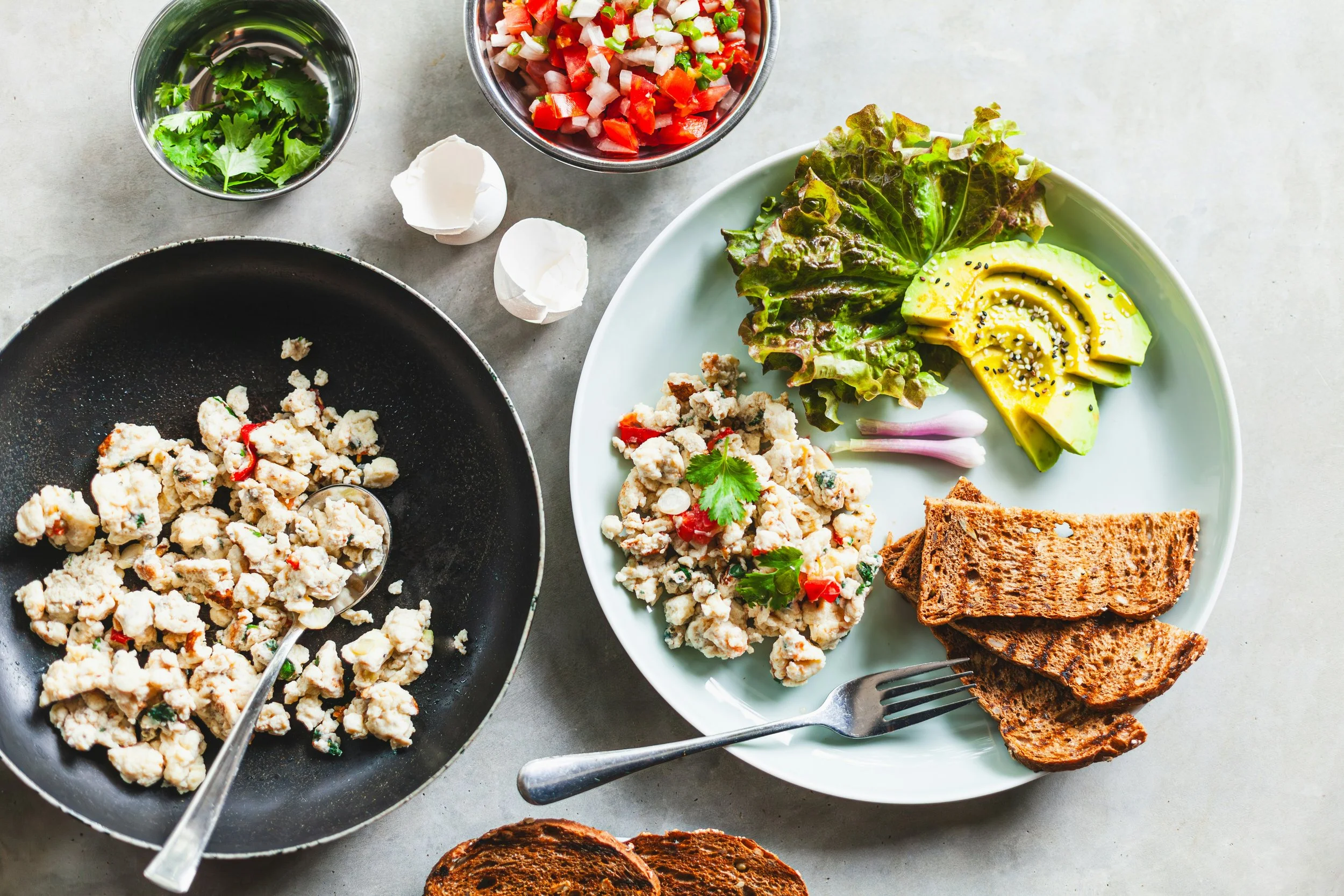
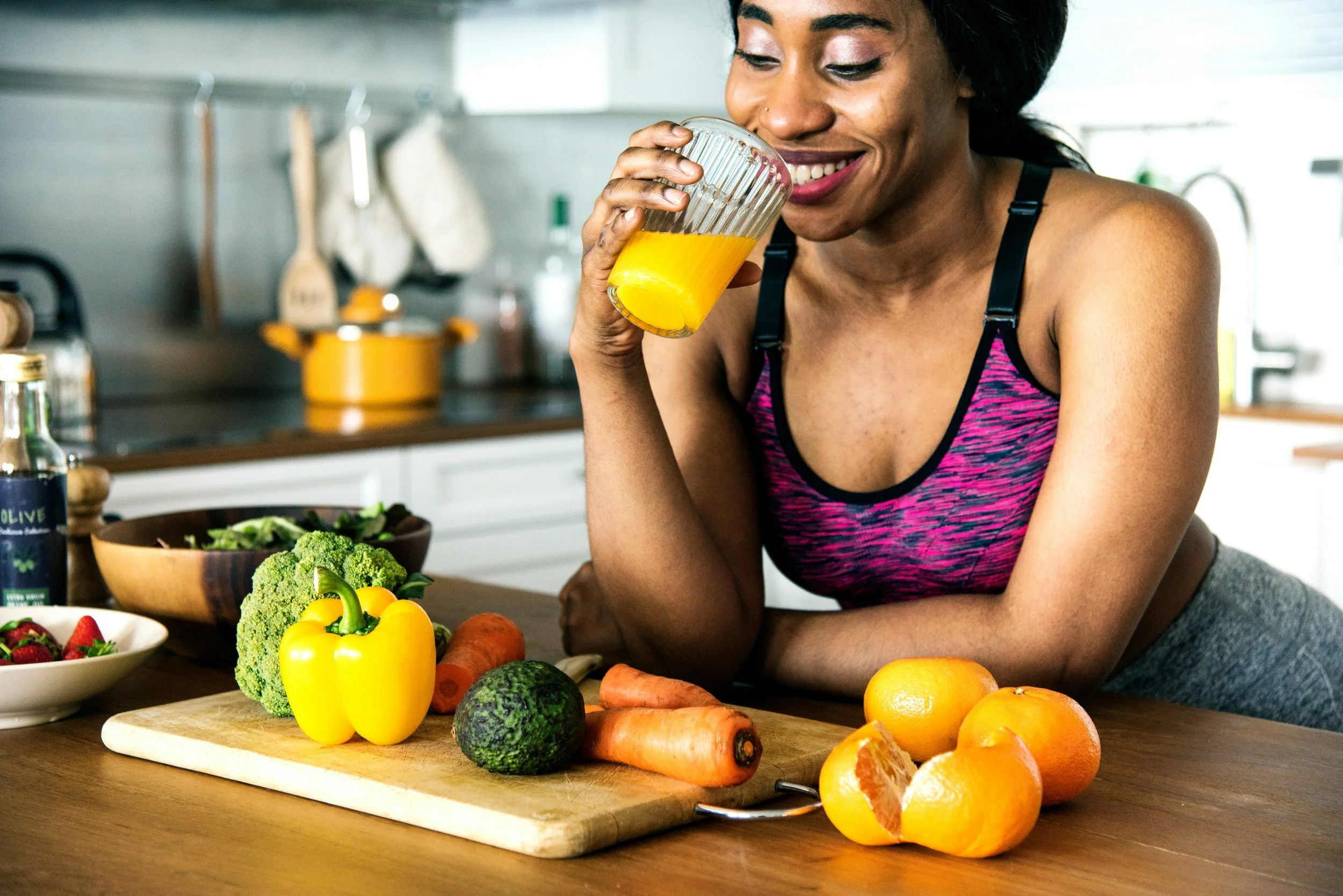
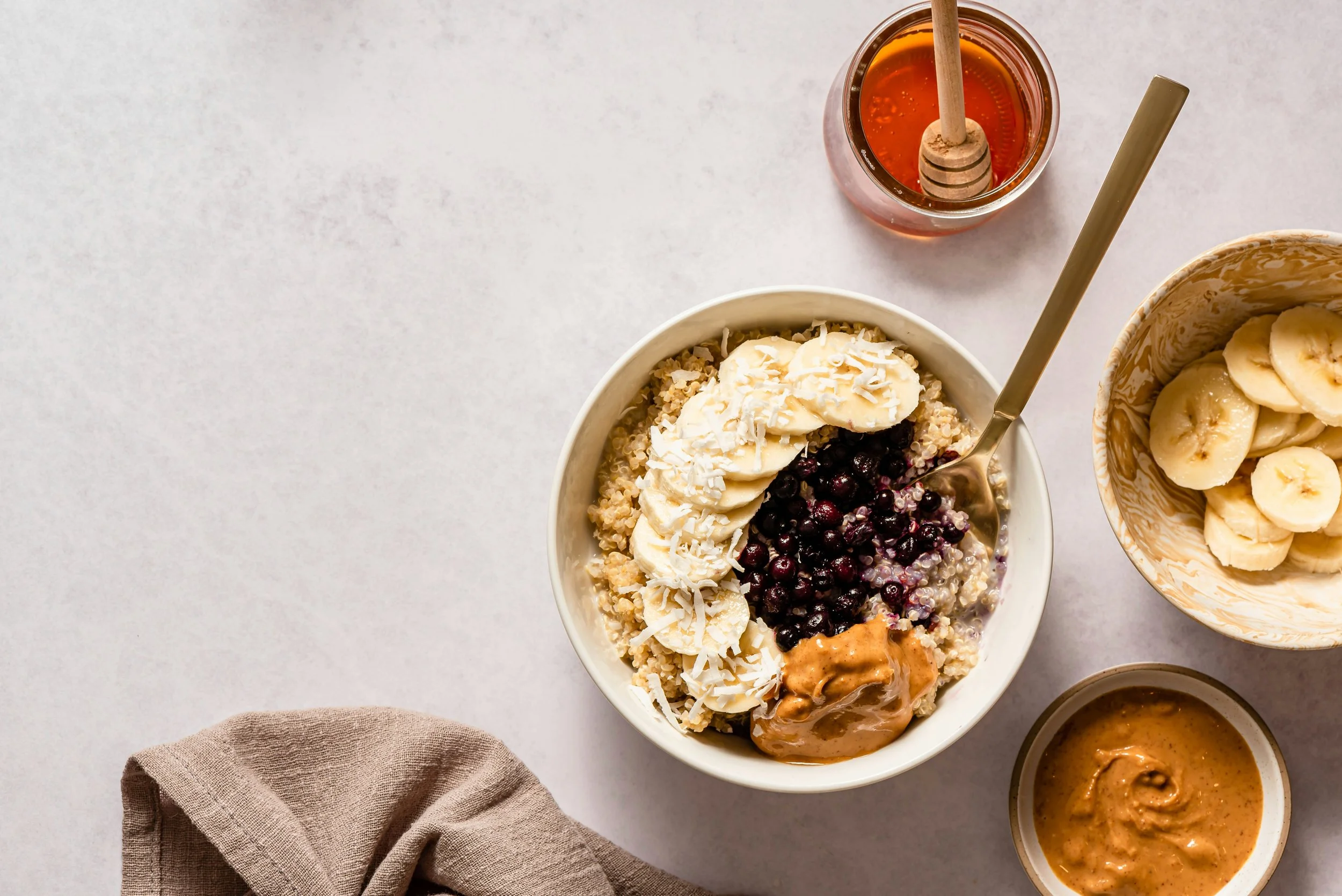
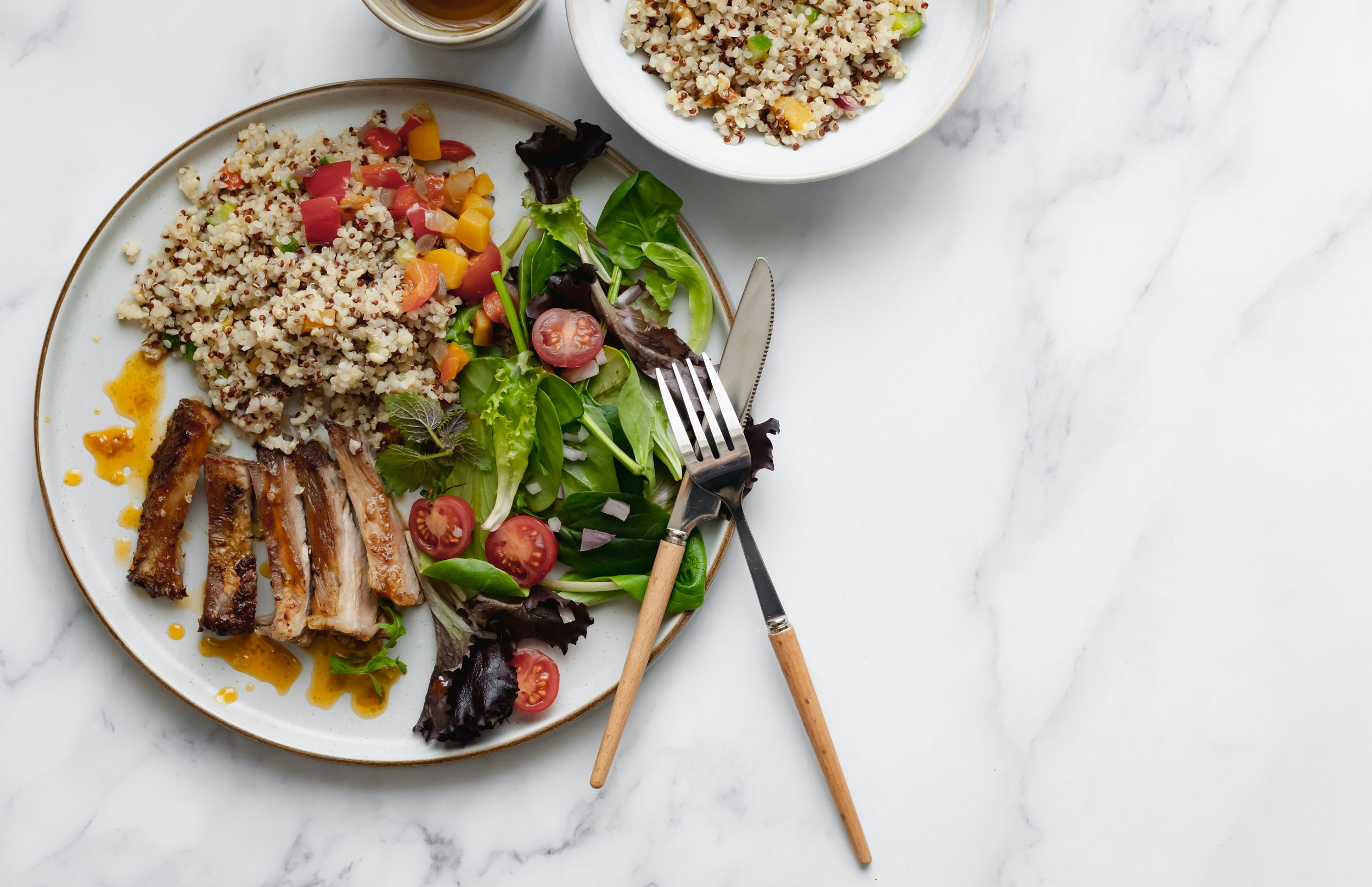
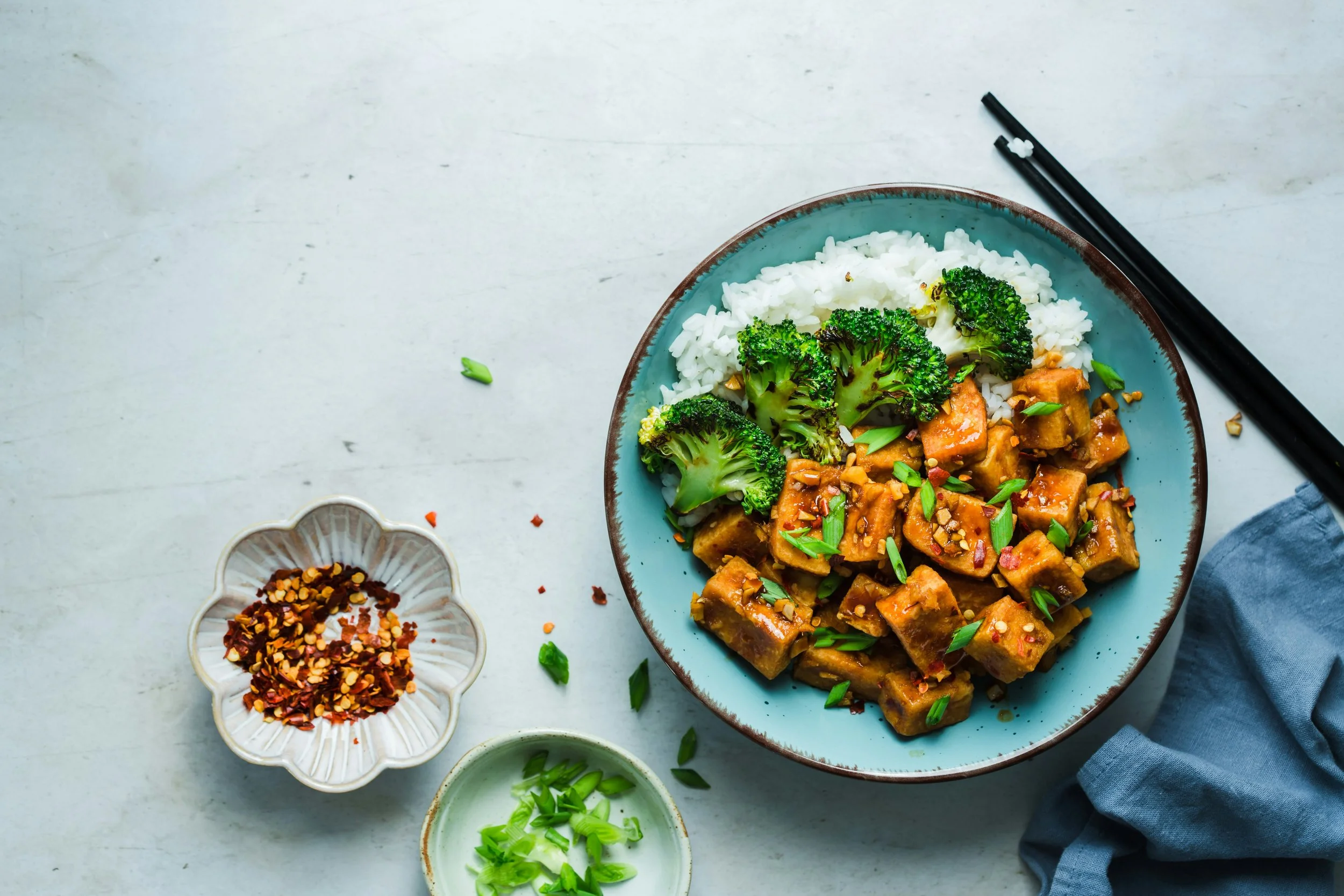
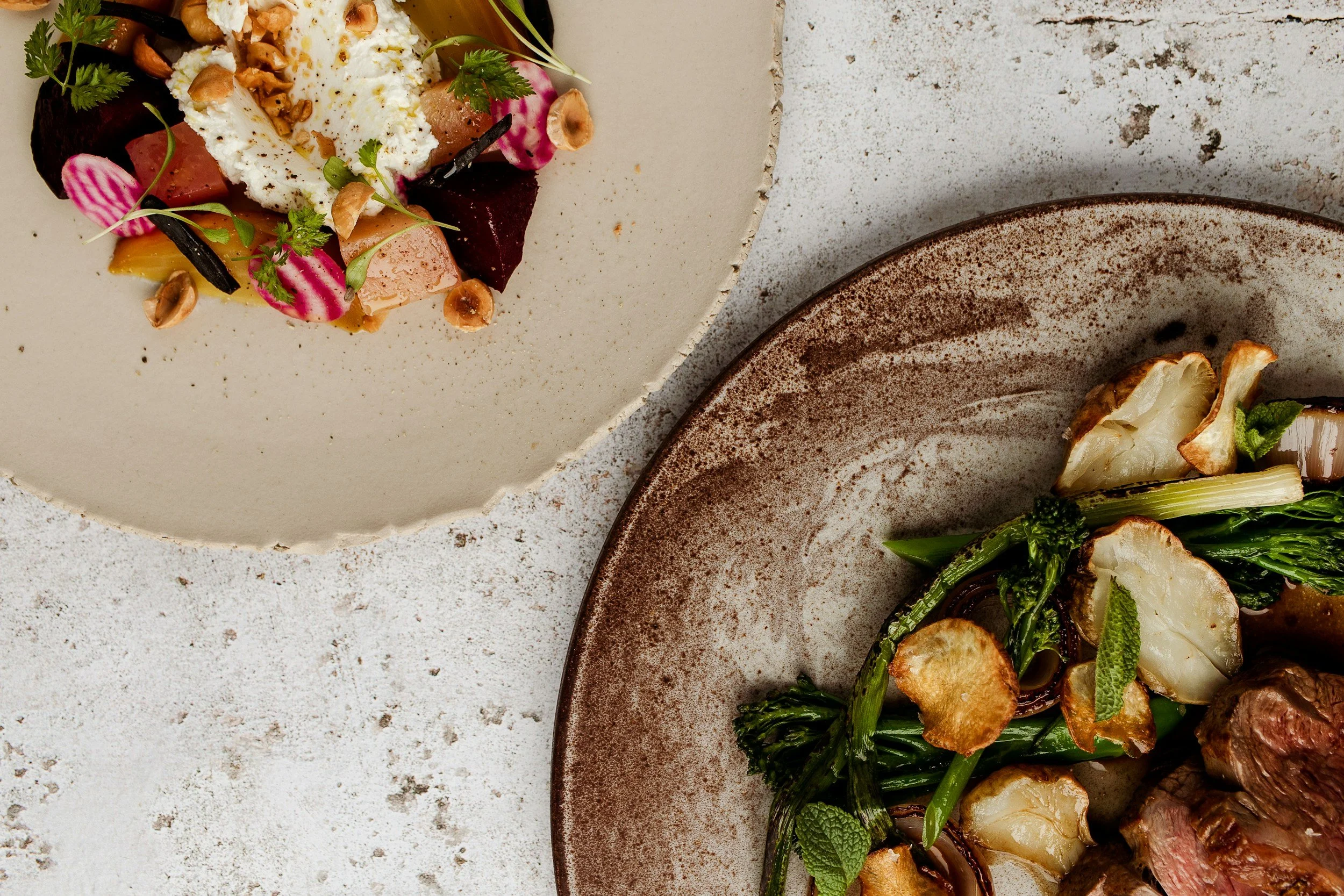
Whole foods are foods that are eaten in their most natural state—with no artificial ingredients, preservatives, or unnecessary processing. Think: an apple vs. apple juice. A baked potato vs. boxed mashed potatoes.
Whole foods still contain all of their original fiber, vitamins, minerals, antioxidants, and enzymes, which is exactly what your body (and hormones) need as you age.
Why It Matters for Women Over 35
Here are 10 powerful reasons to make whole foods the foundation of your daily meals:
1. Boosts Mood and Mental Clarity
Whole foods—especially those rich in healthy fats, fiber, and complex carbs—support a more stable mood, better focus, and fewer energy crashes. Processed foods can do the opposite: spiking blood sugar and leaving you anxious, irritable, or foggy.
2. Lowers Risk of Heart Disease
Whole grains, fruits, and vegetables are rich in heart-protective fiber and antioxidants. Swapping out processed junk for whole foods supports your cardiovascular system and helps keep blood pressure and cholesterol in check.
3. Reduces Risk of Type 2 Diabetes
A clean, whole-food diet helps regulate blood sugar and supports insulin sensitivity—key for preventing and managing Type 2 diabetes, which is especially important as hormone shifts in your 30s and 40s can increase risk.
4. Strengthens Bones
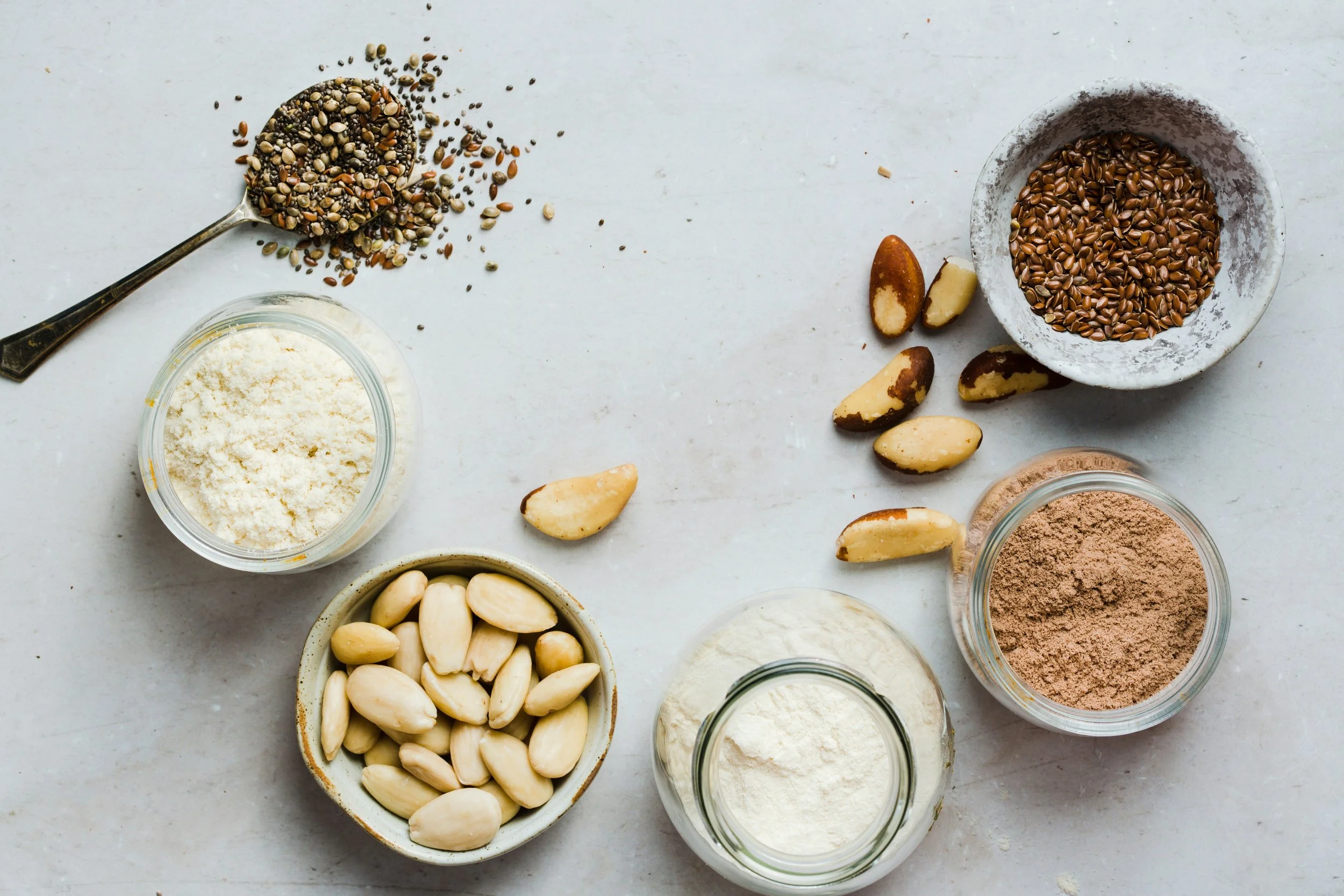
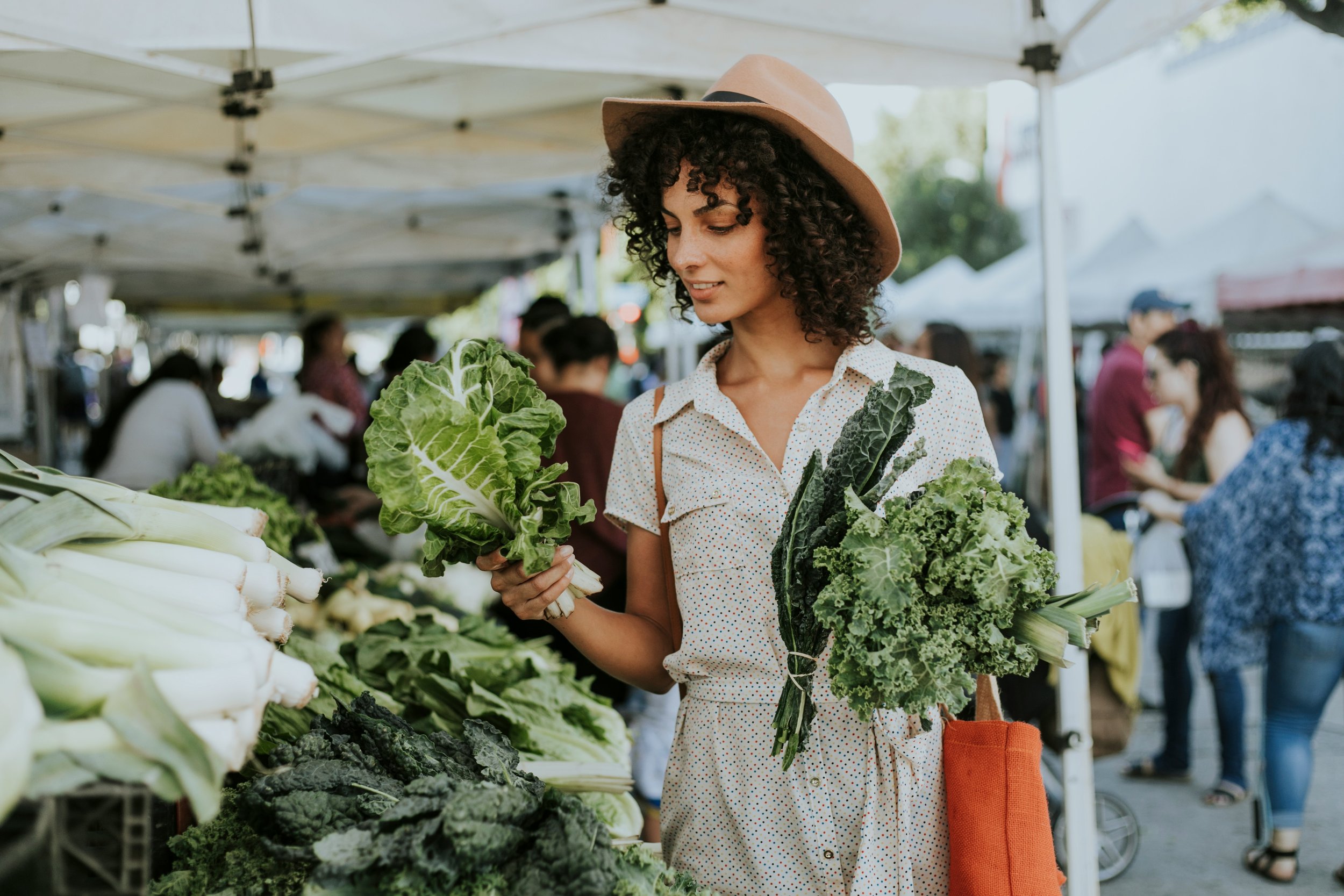
Whole foods like leafy greens, nuts, seeds, and legumes are rich in calcium, magnesium, and vitamin K—nutrients essential for maintaining bone density and preventing age-related bone loss.
5. Makes Eating Balanced Easier
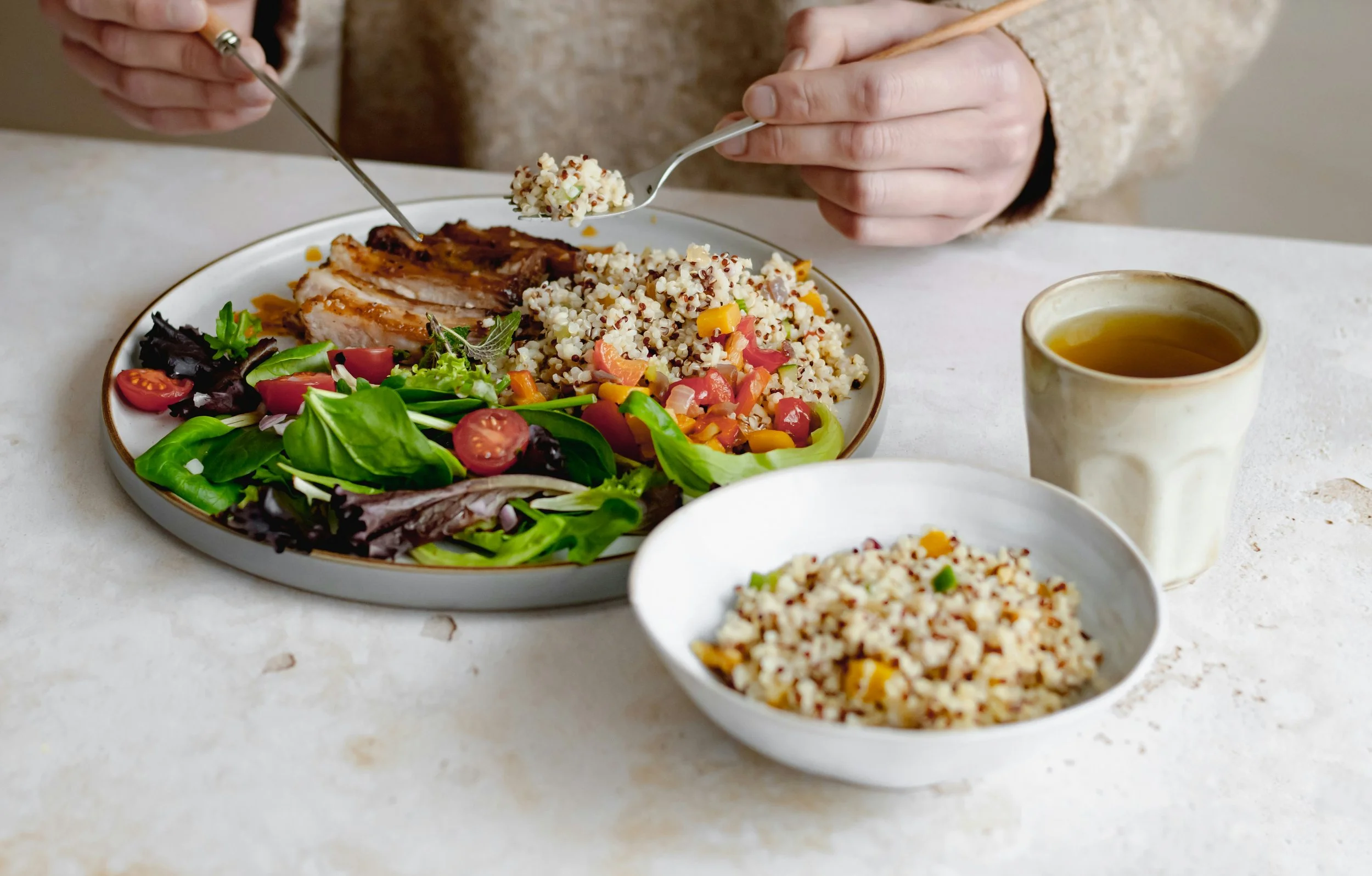
When you focus on whole foods, you naturally eat more nutrient-dense meals filled with the variety your body needs: proteins, healthy fats, fiber, and essential vitamins—all without tracking macros or stressing over calories.
6. Supports Healthy Weight Management
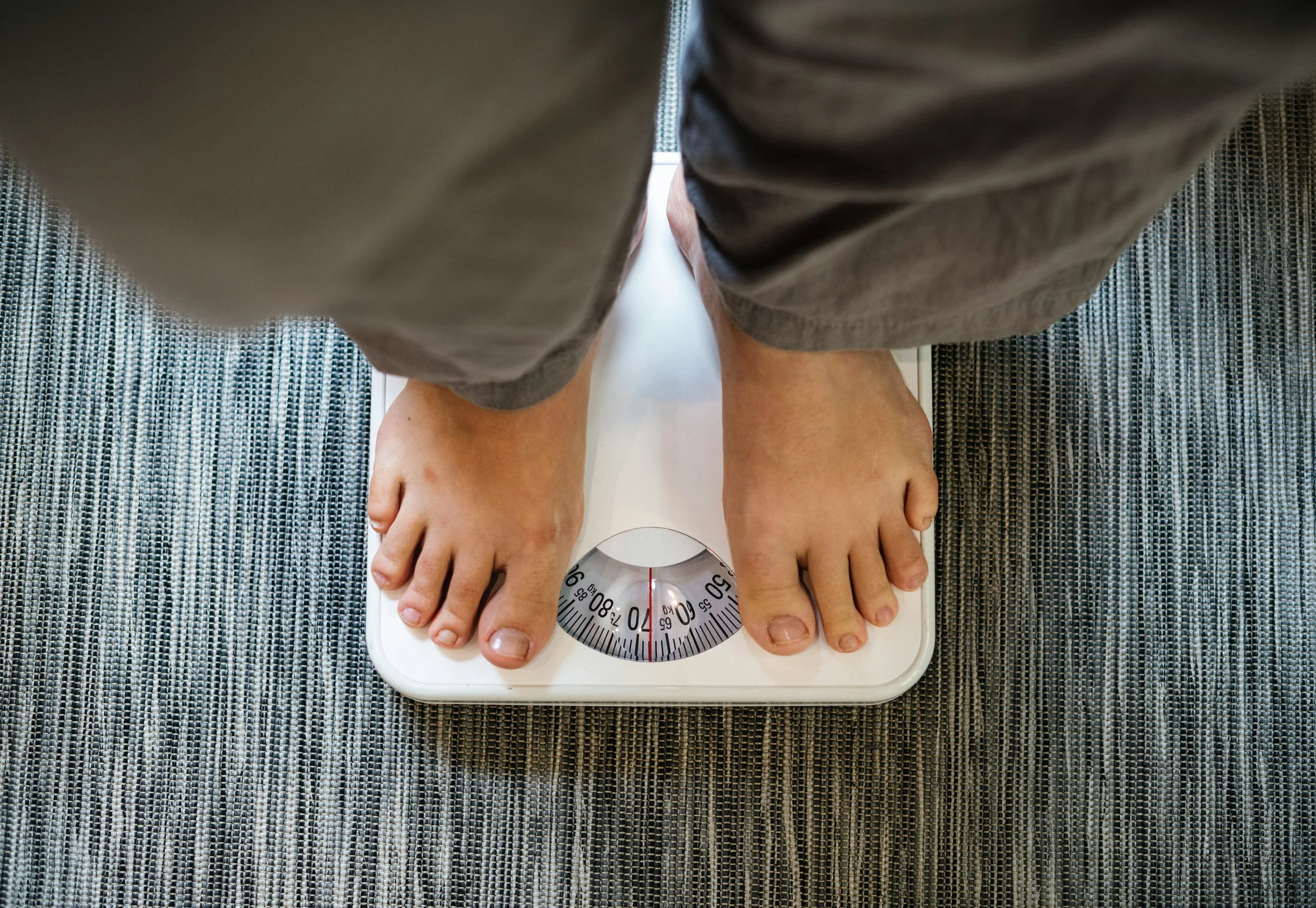
Whole foods are naturally lower in added sugar, refined carbs, and empty calories. That means it’s easier to maintain or lose weight without extreme diets. You stay full longer and nourish your body without deprivation.
7. Improves Sleep Quality
Foods rich in tryptophan, magnesium, and complex carbs (like oats, leafy greens, and bananas) can naturally help you fall asleep faster and sleep more deeply—unlike processed foods, which can disrupt your rest.
8. Enhances Skin Health
What you eat shows up on your skin. Whole foods provide vitamins A, C, E, and zinc—all crucial for collagen production, skin repair, and that healthy glow. Meanwhile, greasy, processed foods often worsen acne and dull your complexion.
9. Increases Energy
Whole foods fuel your body the way nature intended. They provide slow-burning energy that helps you stay alert, vibrant, and ready to tackle your day—without the crash that comes from sugar-laden snacks or caffeine overload.
10. Supports Longevity and Hormone Health
A daily whole food lifestyle reduces your risk of chronic illness, supports hormonal balance, and helps your body thrive long-term. It’s the ultimate foundation for vibrant health in your 30s, 40s, and beyond.
The truth is: your body is always talking to you.
And when you feed it whole, real foods—it listens. It heals. It energizes. It glows.
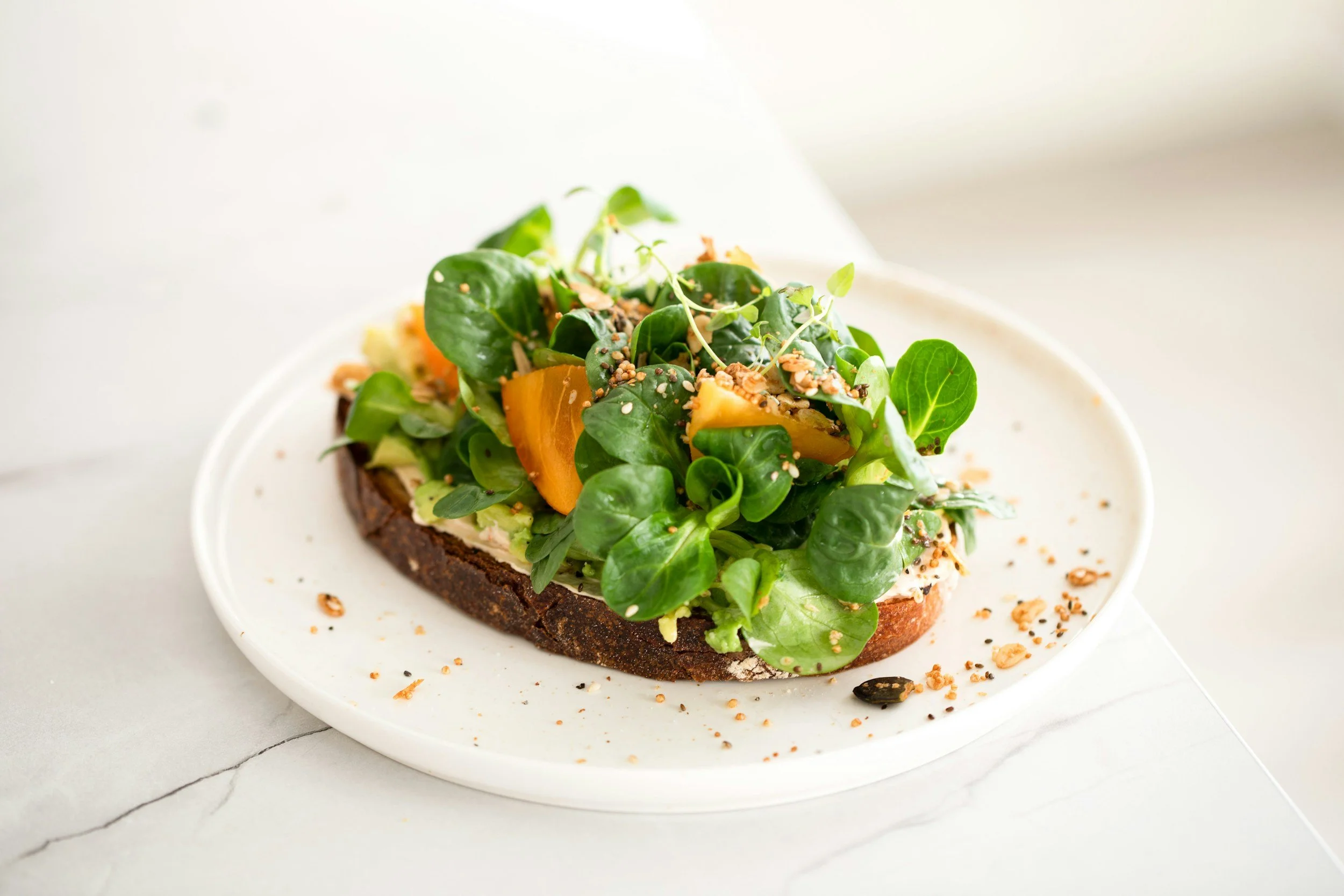
Start by making one small switch a day: add a handful of greens, swap your bread for sprouted grain, or drink a fresh smoothie instead of grabbing a packaged bar.
Every clean choice adds up.
Explore clean eating resources, recipes, and hormone-supporting tools at MindfulnessWomen.com
Ready for the next one?