Modern life moves fast.
Between work demands, hormonal shifts, emotional responsibilities, and the pressure to keep everything together, stress can quietly become your baseline.
You may feel it as fatigue… irritability… brain fog… trouble sleeping… or a constant sense of overwhelm you can’t quite explain.
The good news is that stress relief doesn’t require drastic changes or complicated routines.
Often, the most powerful shifts are the most natural ones.
Here are 13 simple, proven ways to calm your nervous system and bring your body back into balance.
1. Breathe with Intention
Your breath is one of the fastest ways to signal safety to your body.
Slow, deep breathing lowers cortisol, reduces heart rate, and quiets mental chatter.
Try this:
Inhale slowly through your nose.
Pause.
Exhale fully through your mouth.
Repeat for one minute and notice how your body responds.
2. Create Space for Yourself
Many women carry stress because they never pause long enough to release it.
Schedule intentional time just for you — even if it’s 15 minutes.
This could look like:
• Sitting in silence
• Journaling
• Taking a walk
• Enjoying tea without distractions
Rest is not a luxury. It’s regulation for your nervous system.
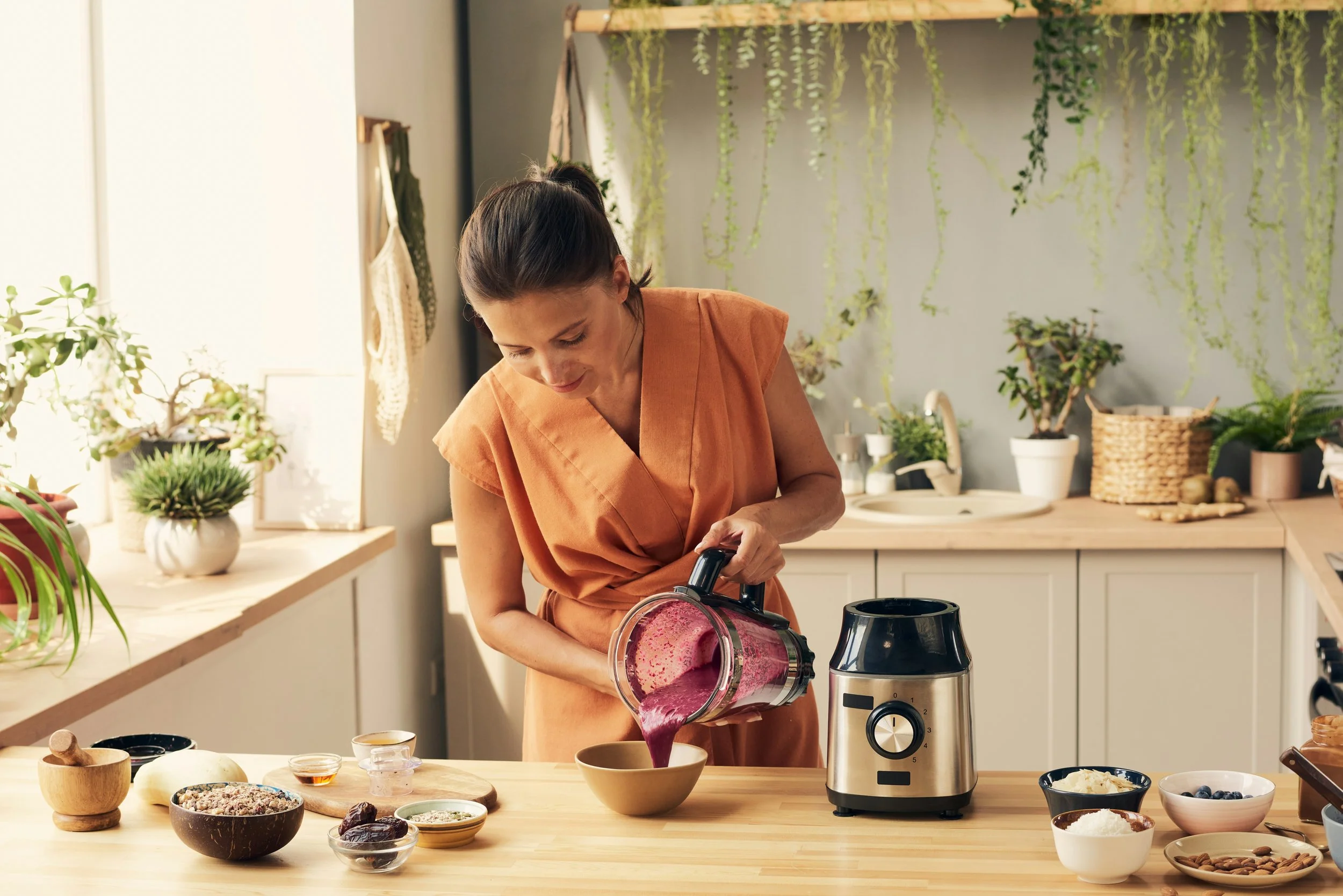
3. Eat in a Way That Supports Calm
What you eat affects how you feel — emotionally and hormonally.
A clean, whole-food diet rich in leafy greens, vegetables, healthy fats, and lean protein helps stabilize blood sugar and reduce internal stress signals.
When your body is nourished, it’s more resilient to external pressure.
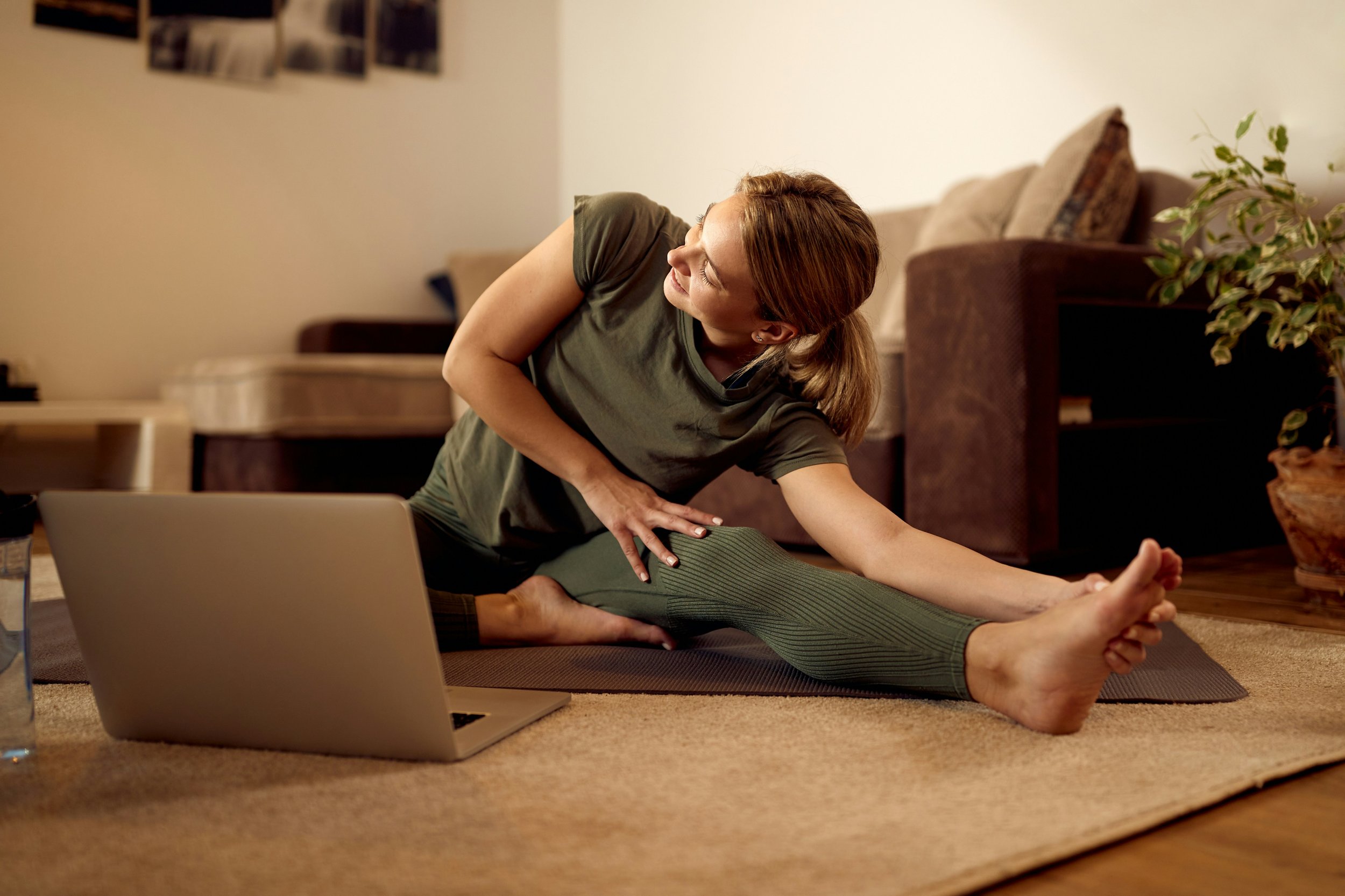
4. Move Your Body to Release Tension
Stress gets stored physically — in your shoulders, jaw, hips, and nervous system.
Gentle, consistent movement helps release it.
Try:
• Walking outdoors
• Stretching
• Pilates
• Strength training
• Yoga
Movement improves circulation, boosts endorphins, and supports emotional balance.
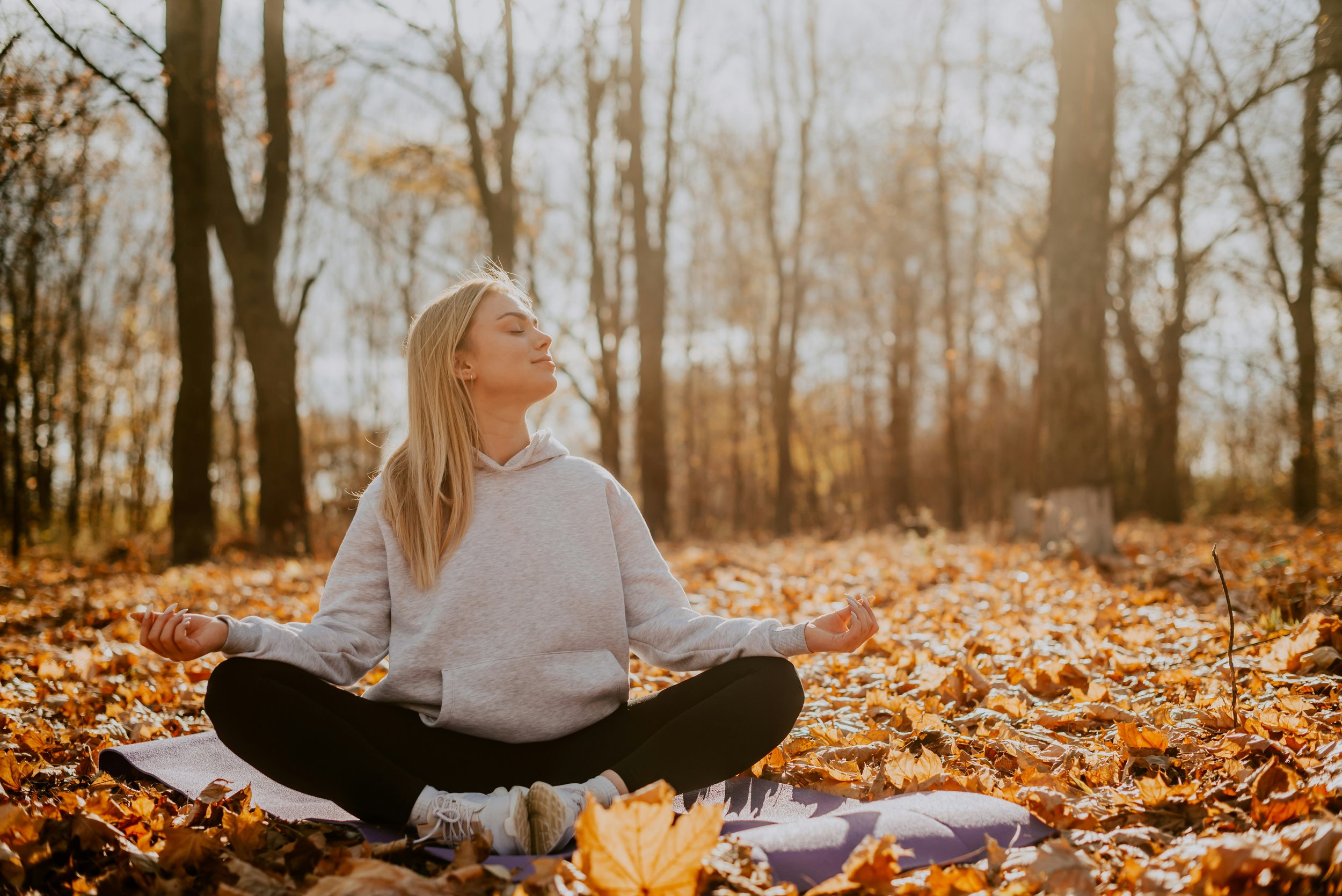
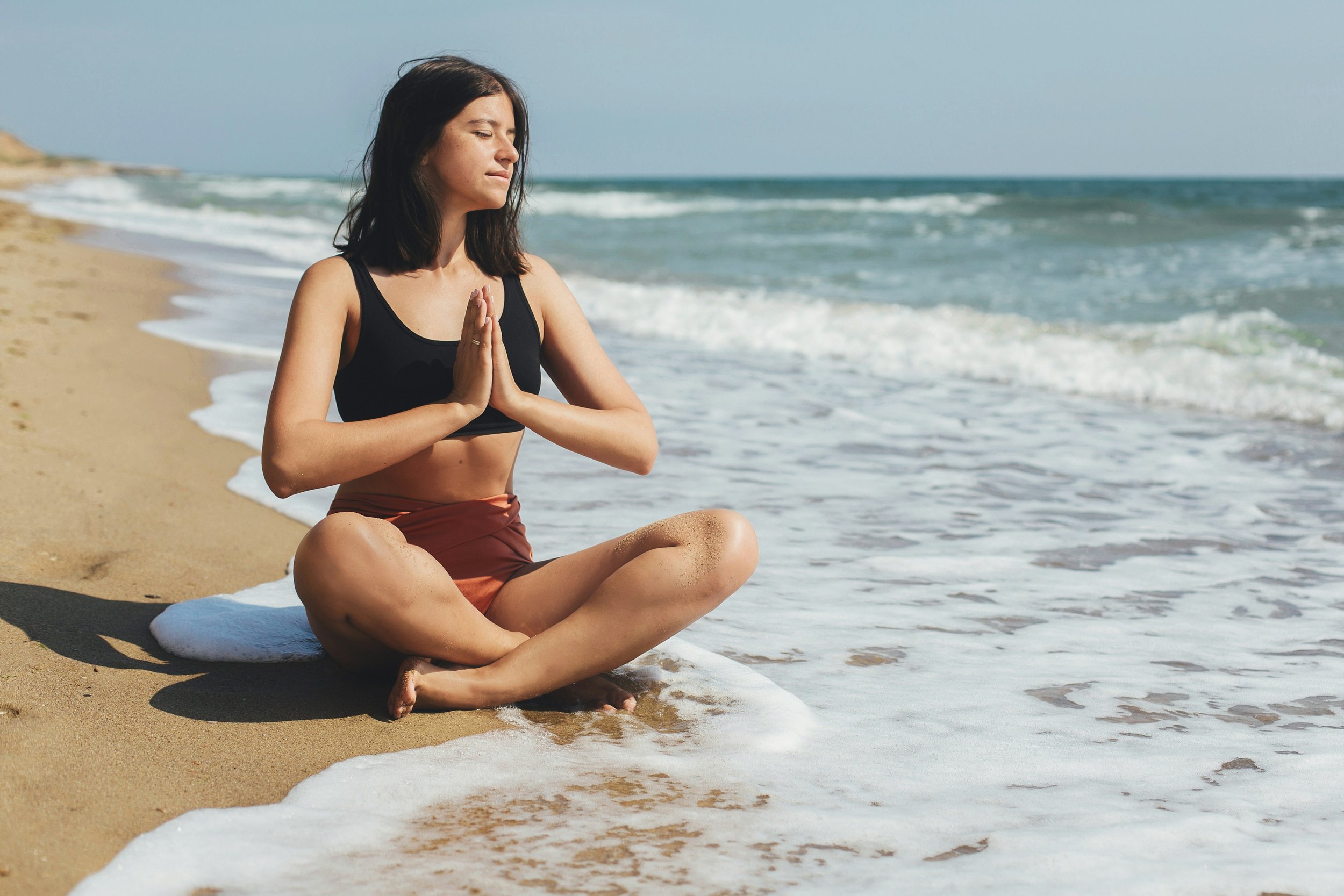
5. Establish a Meditation Practice
Meditation creates mental space between you and your stress.
Even five minutes per day can lower cortisol levels, improve focus, and create emotional steadiness.
It doesn’t need to be perfect — just consistent.
6. Practice Present-Moment Awareness
Mindfulness is simply being fully present in what you’re doing.
Instead of rushing through your day on autopilot, slow down and engage your senses.
Notice:
• The taste of your food
• The warmth of water on your hands
• The sound of your breath
Presence interrupts stress patterns.
7. Anchor Yourself in Gratitude
Gratitude shifts your nervous system from survival mode to safety mode.
Each day, write down three things you’re grateful for.
They don’t have to be big.
Consistency is what rewires your emotional baseline.
8. Choose Supportive Thoughts
Your thoughts shape your stress levels.
When you catch yourself spiraling, pause and ask:
Is this thought helping me or hurting me?
Then gently redirect your focus to something more grounding and empowering.
9. Rewrite Limiting Beliefs
Many stress patterns stem from internal narratives like:
“I have to do everything.”
“I can’t slow down.”
“I’m not enough.”
Begin replacing them with supportive beliefs:
“I am allowed to rest.”
“I am supported.”
“I am doing my best.”
Your nervous system responds to the story you tell it.
10. Release the Need to Control Everything
Control creates tension.
Peace comes from learning what to hold — and what to release.
Not everything requires your force or worry.
Sometimes the most healing thing you can do is loosen your grip and trust the unfolding.
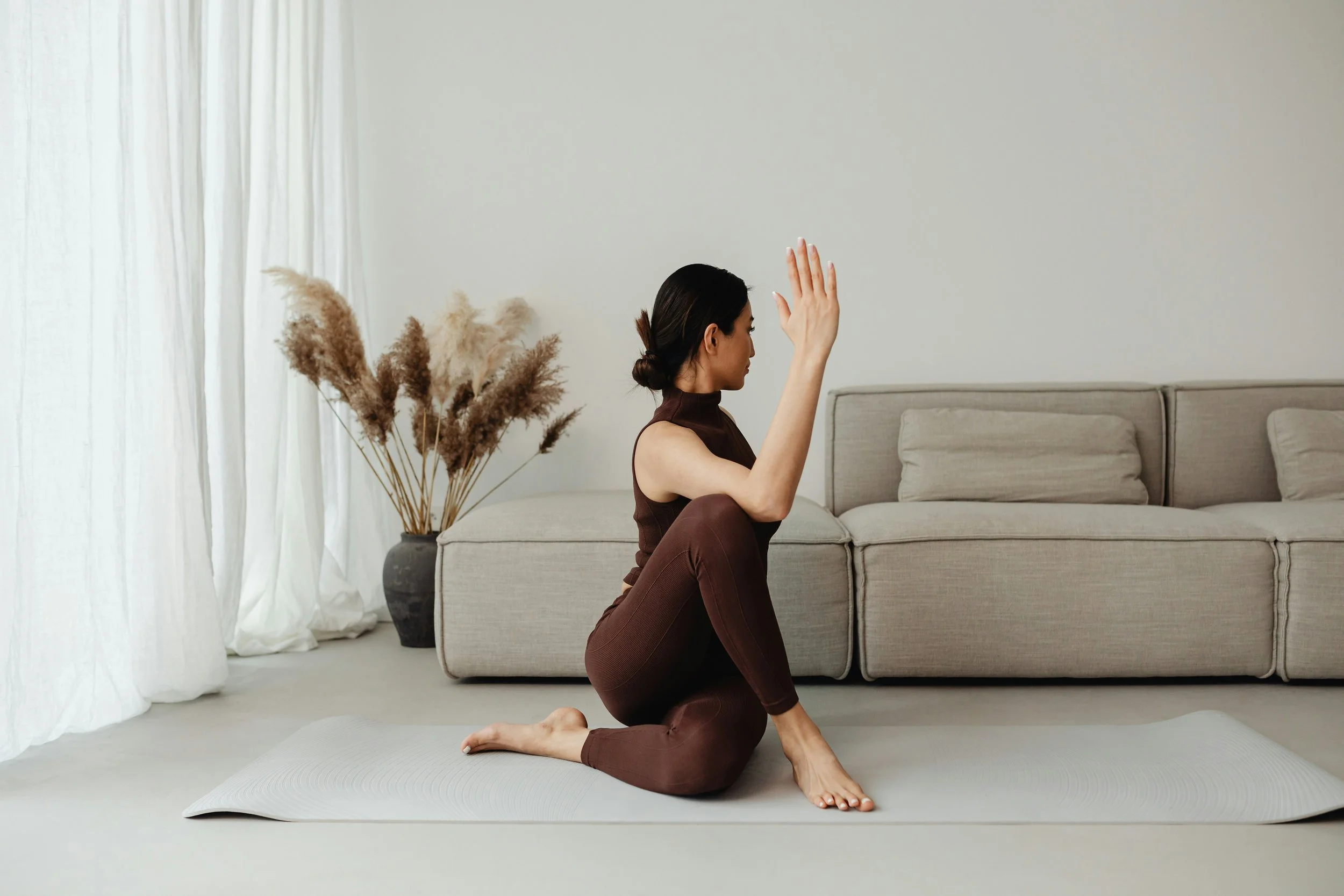
11. Use Yoga as Emotional Release
Yoga blends breath, movement, and presence — making it powerful for stress reduction.
It softens the body while calming the mind.
Even a short daily practice can help regulate hormones and release stored tension.
12. Spend Time in Nature
Nature has a grounding effect on the nervous system.
Fresh air, sunlight, greenery, and open space naturally reduce anxiety and mental fatigue.
A simple daily walk outside can reset your entire mood.
13. Practice Deep Relaxation
True relaxation is intentional.
Try incorporating:
• Warm Epsom salt baths
• Legs-up-the-wall before bed
• Progressive muscle relaxation
• Quiet rest without screens
When your body relaxes deeply, healing processes activate.
Stress may be common — but it’s not meant to be your normal.
With small, consistent practices, you can feel calmer, clearer, and more grounded in your daily life.
You don’t need a vacation to feel peace.
You need supportive rituals that meet you where you are.
If you’re looking for more tools to reduce stress, balance hormones, and support your wellbeing, explore additional resources designed for women 35+ at MindfulnessWomen.com.