If you’ve tried meditation and felt like you “weren’t doing it right,” you’re not alone.
Most women quit because they expect their mind to go silent immediately — and when it doesn’t, they assume they failed.
But meditation isn’t about having no thoughts.
It’s about learning how to return to calm even while thoughts exist.
Use these 26 tips to make meditation feel easier, more natural, and more supportive in real life.
Getting Started (Without Pressure)
1. Don’t expect perfection in the beginning
A racing mind doesn’t mean you’re bad at meditation. It means you’re human. Progress is simply returning to the present again and again.
2. Start with your breath
If you don’t know what to focus on, focus on breathing. The breath is always available and always grounding.
3. Stay in “the now”
Meditation is not about yesterday or tomorrow. It’s about training your mind to return to the moment you’re actually living.
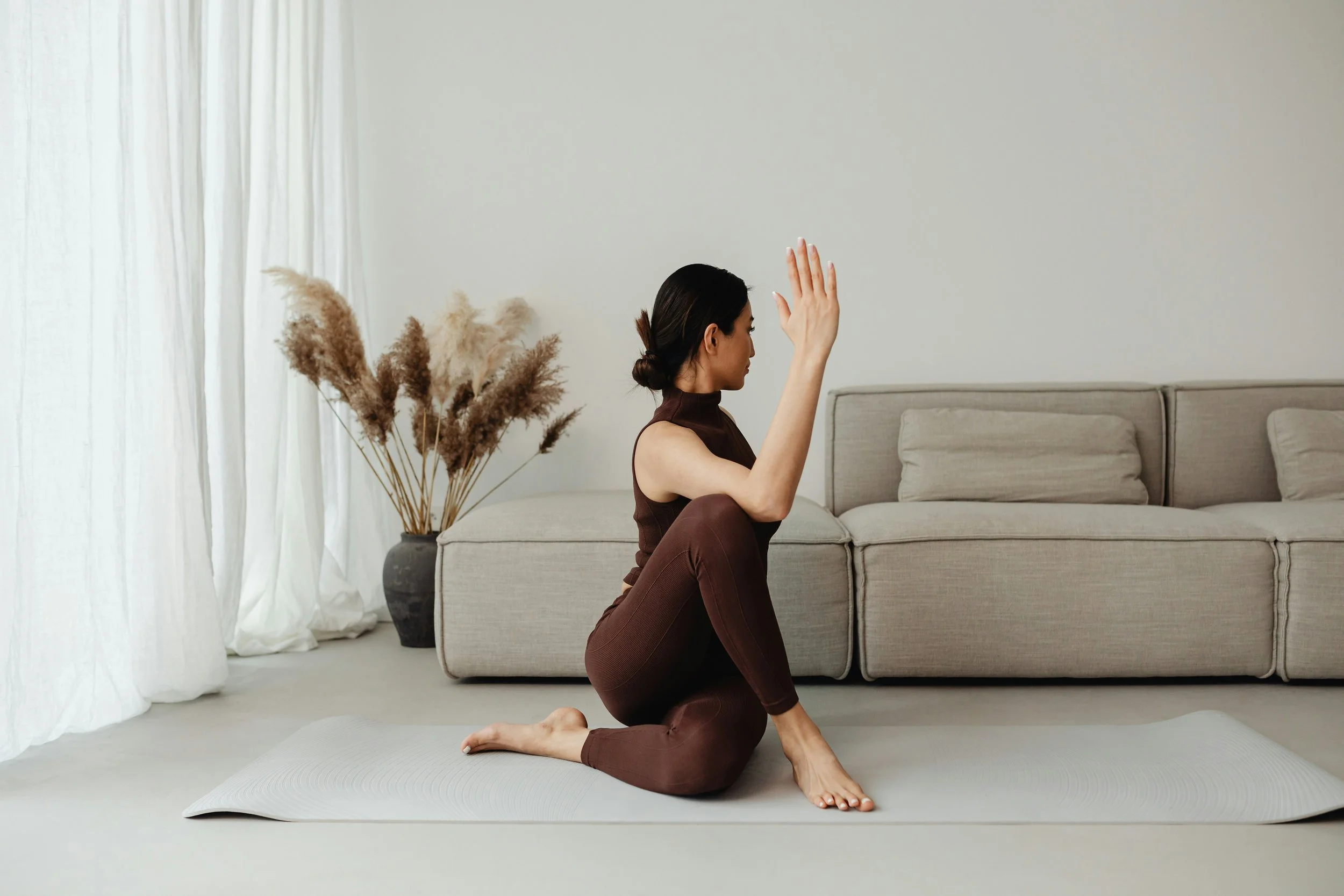
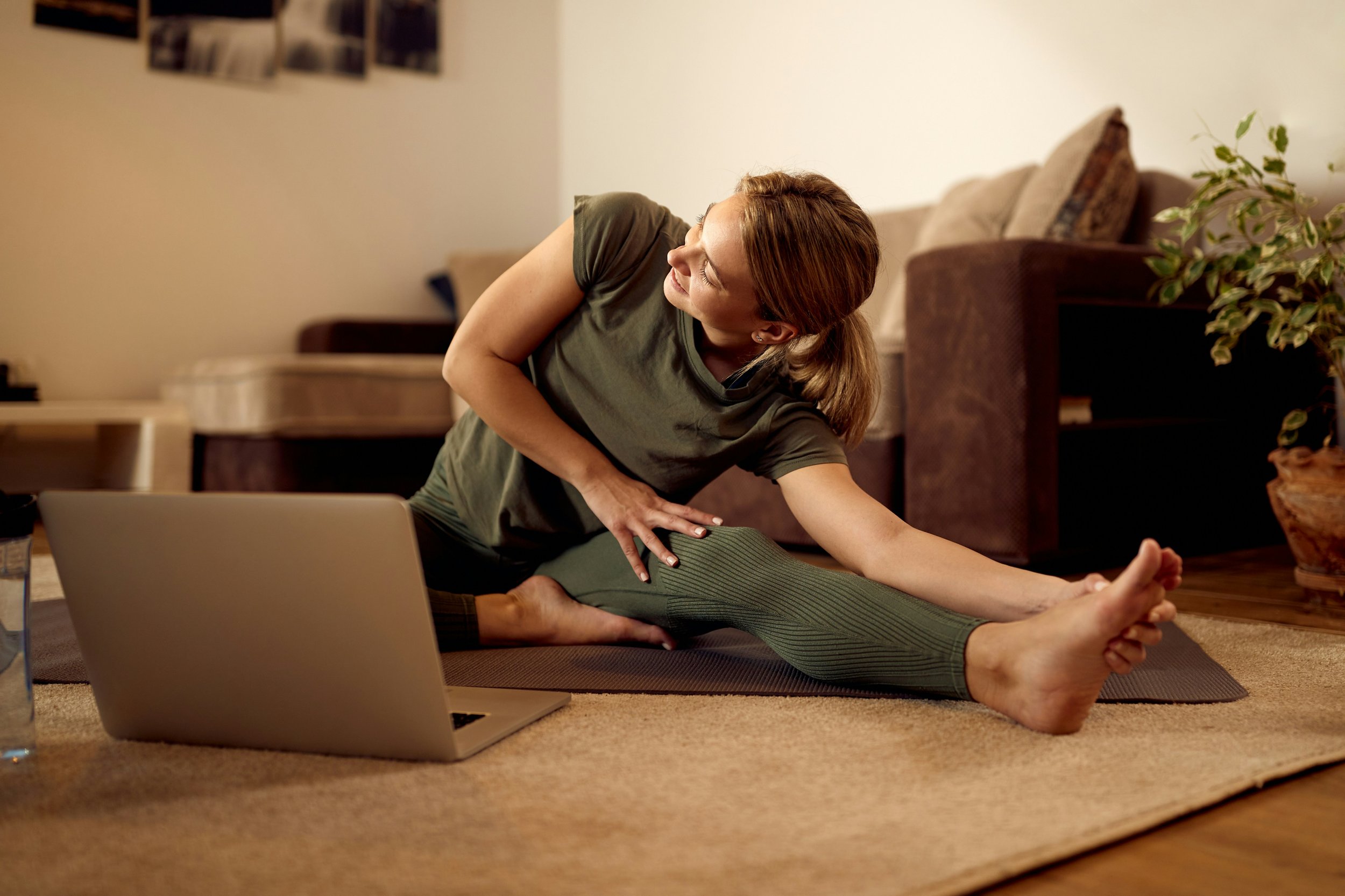
4. You can meditate anywhere
Your car (parked), your desk, your bed, a waiting room, a quiet corner — meditation doesn’t require a perfect setup.
5. You can meditate in small windows
Even 2–5 minutes counts. Consistency matters more than length.
6. Eyes open or closed — both work
If closing your eyes helps you settle, do it. If it makes you anxious or distracted, keep a soft gaze. There’s no rule.
7. Choose a style that fits your personality
Some people love silence. Others need structure. Find the version of meditation you’ll actually do.
What to Do During Meditation
8. Begin with simple breathing meditations
Inhale slowly. Exhale slowly. Count breaths if needed. Keep it simple.
9. If you feel restless, try walking meditation
Walk slowly and notice: feet, steps, breath, air, sounds. It’s meditation in motion.
10. Focus softly — not intensely
Meditation isn’t force. It’s gentle attention. When you strain, your nervous system stays tense.
11. Release the idea of “right” and “wrong”
There are helpful techniques, but there isn’t one perfect way. The best method is the one you practice.
12. Get comfortable in your body
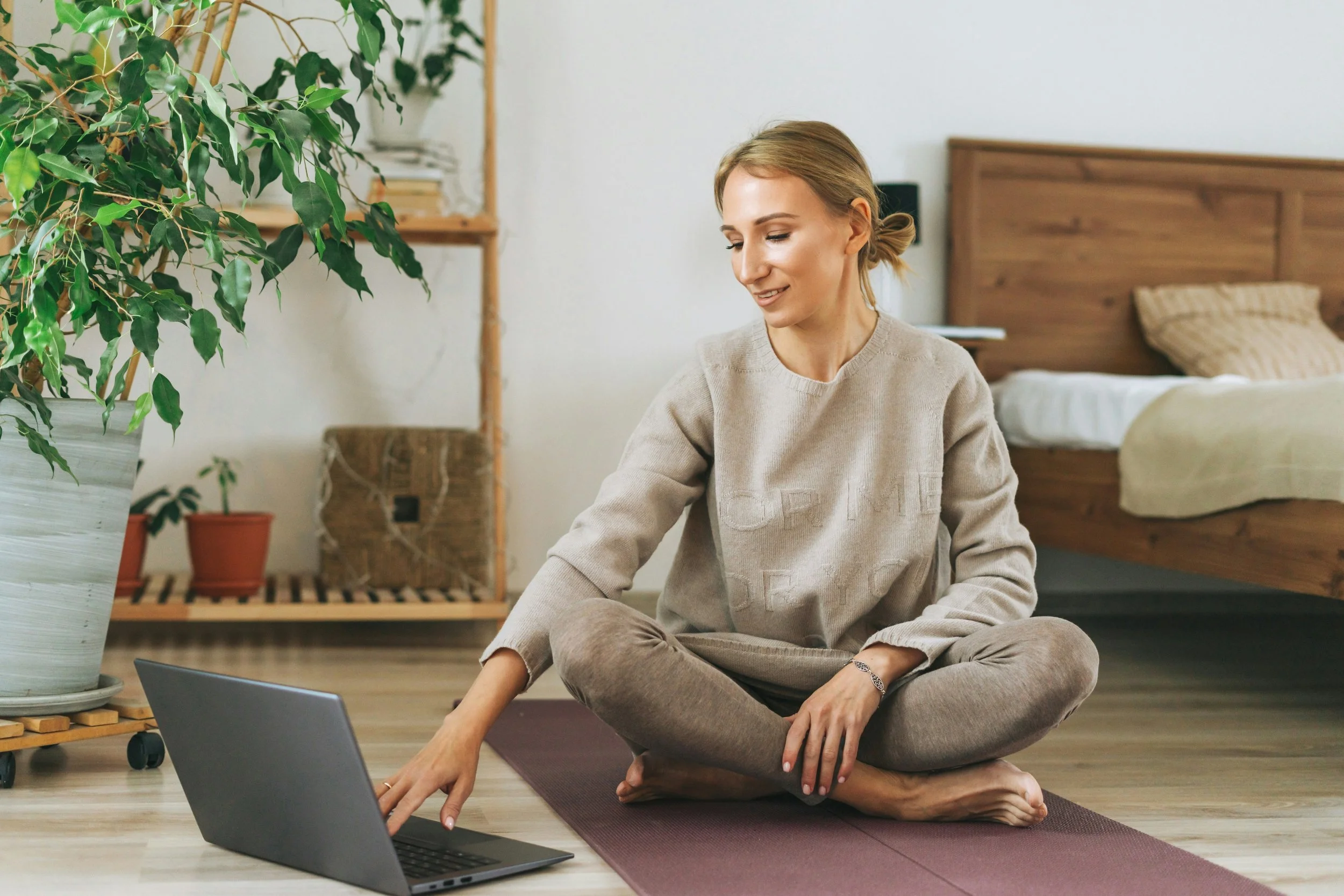
You don’t need a special pose. Sit in a chair. Sit on a couch. Lay down if you need to. Comfort helps consistency.
13. Tools are optional
Incense, music, rugs, candles — use what helps, ignore what doesn’t. Simplicity is enough.
14. Meditation isn’t tied to one religion
Mindfulness is a mental skill and a nervous system practice. Anyone can benefit from it.
15. Don’t meditate overly full or overly hungry
A full stomach can make you sleepy. Hunger can make you restless. Aim for neutral when possible.
16. When thoughts come, label them and return
Try: “thinking,” “planning,” “worrying,” “remembering.” Then gently come back to your breath.
17. Keep sessions physically comfortable
If you’re seated and your back hurts, adjust. Pain becomes a distraction and makes meditation harder to sustain.
18. Guided meditations can be a great start
Guidance helps beginners stay focused and feel supported.
19. Reduce distractions in your space
Put your phone on silent. Choose a calmer area. Even one small change can help.
Staying Consistent
20. Remember your “why”
Why are you meditating?
To reduce anxiety?
To manage stress?
To feel present?
To sleep better?
To calm your nervous system?
Your “why” keeps you consistent when motivation dips.
21. Find community or support
Support makes habits easier. You don’t have to do it alone.
22. Don’t quit if you don’t notice change immediately
The benefits build quietly. Most women feel the shift after consistent practice, not one session.
23. Make it a lifestyle, not a task
Meditation isn’t another thing to “get done.” It’s a way to care for your mind and body.
24. Don’t judge — just notice
Judgment creates tension. Awareness creates growth.
25. There’s no winning in meditation
The goal isn’t achievement. The practice is simply returning to the moment.
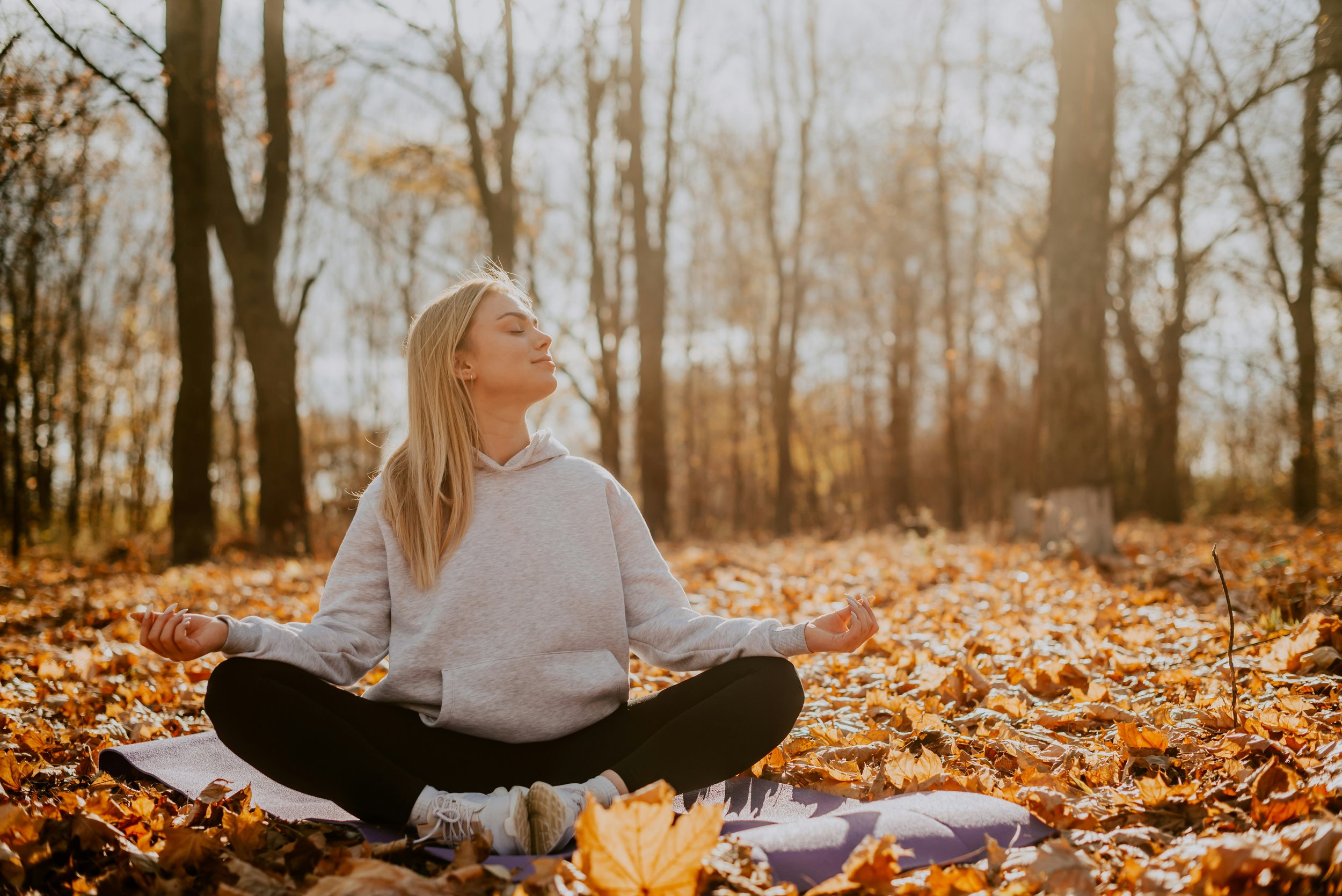
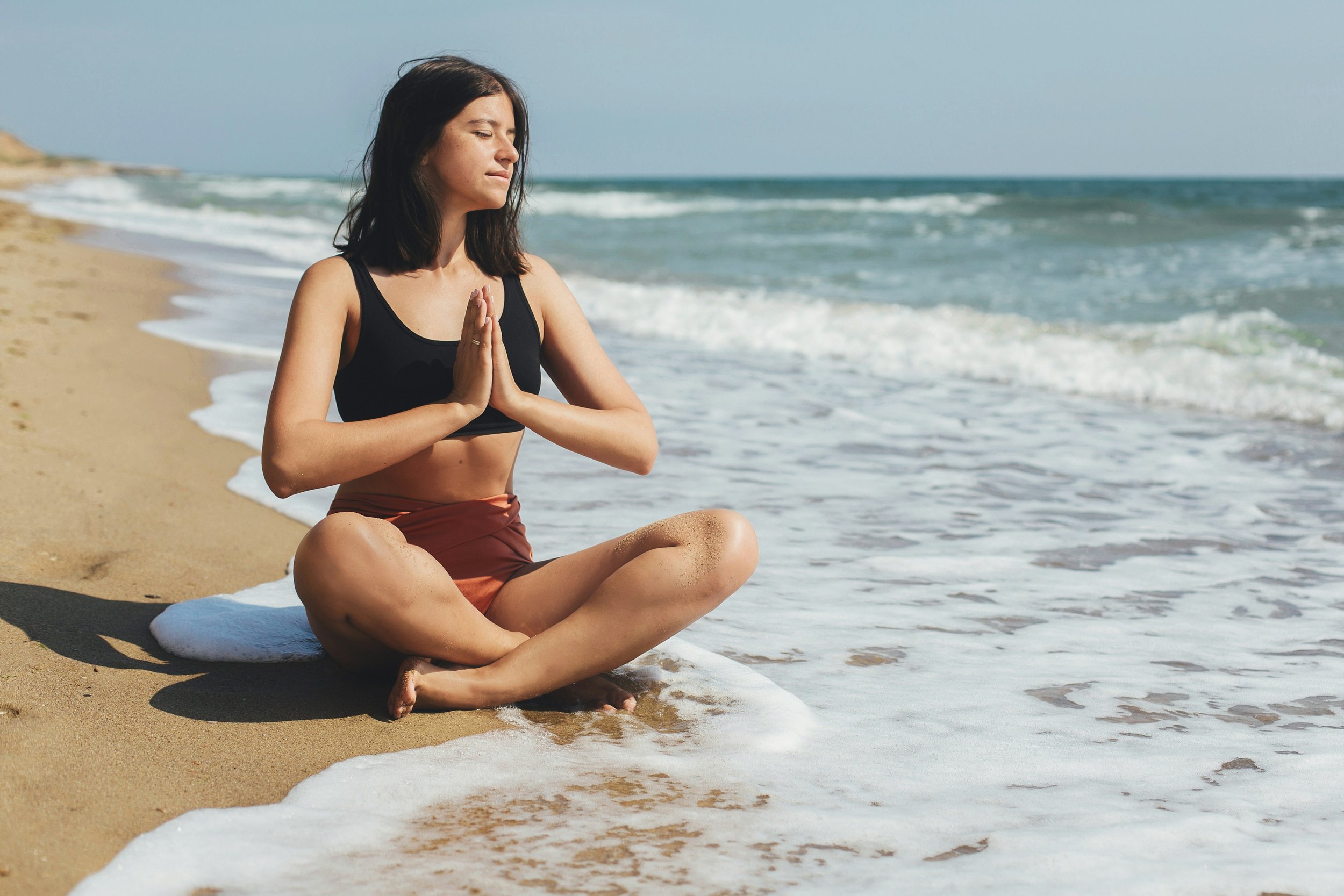
26. Meditate in nature when possible
Nature naturally regulates your nervous system. A short outdoor meditation can feel easier than a silent room.
A Simple Beginner Routine (Optional)
If you want a starting point:
2 minutes of slow breathing
1 minute noticing your body
2 minutes returning to your breath when thoughts arise
That’s it. Five minutes. Done.