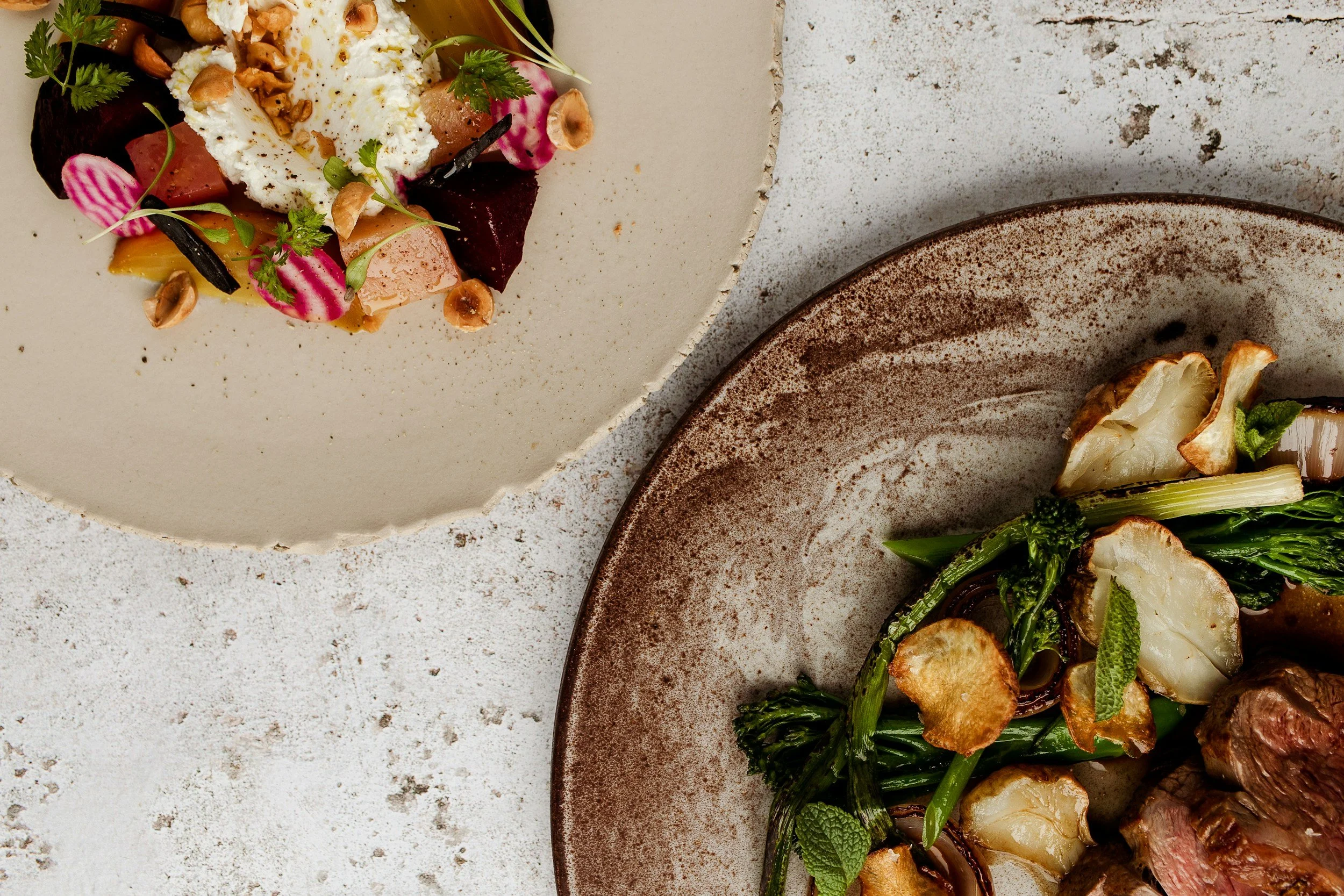
Mindless eating isn’t about lack of discipline — it’s usually a sign you’re rushed, stressed, distracted, or disconnected from your body.
And for many women, that disconnection leads to:
Eating past fullness
Cravings that feel out of control
Emotional eating patterns
Feeling bloated, sluggish, or frustrated after meals
Mindful eating helps you come back to yourself. It’s not a diet. It’s a skill.
Here are 11 simple habits that help you slow down, reconnect with your hunger cues, and feel more in control around food.
1. Chew Slowly
Chewing slowly is one of the easiest ways to become more aware at mealtime. It supports digestion and gives your brain time to recognize satisfaction and fullness.
2. Watch Your Posture
Slouching or lying down while eating puts strain on your digestive system and can contribute to discomfort and bloating.
For better digestion, sit upright with your head, neck, and torso aligned and supported.
3. “Listen” to Your Body
Sometimes we eat simply out of habit — not hunger.
Pause mid-meal and ask:
Am I still hungry?
Am I satisfied?
Am I eating because I’m stressed or tired?
This habit helps you learn when it’s time to slow down or stop.
4. Just Eat When You Eat
Turn off the TV. Put down the phone. Step away from emails.
When you focus on your meal, you notice more:
Taste
Fullness cues
Emotional triggers
Portion satisfaction
Distraction is one of the fastest paths to overeating.
5. Acknowledge Your Thoughts and Emotions
Before you eat, do a quick check-in:
What am I feeling right now?
When you name your emotions — stress, boredom, anxiety, loneliness — you’re less likely to numb them with food.
6. Give Thanks
Gratitude shifts your energy from scarcity to abundance.
Instead of focusing on what you “can’t” eat or wishing for something else, appreciation helps you slow down and enjoy what’s in front of you.
7. Put Your Fork Down Between Bites
This simple habit slows your pace immediately.
It also helps you taste your food more fully and gives your body time to register satisfaction.
8. Sit Down. Relax. Take Your Time.
Eating while standing, rushing, or multitasking keeps your body in a stressed state.
Sitting down signals safety to your nervous system — and digestion works better when your body feels calm.
9. Eat in Silence (When You Can)
Even a few minutes of silent eating can help you become more present.
You’ll notice the textures, flavors, and signals your body is sending — without outside stimulation.
10. Eat Foods That Require “Work”
Foods you need to peel, cut, shell, or assemble naturally slow you down and create awareness.
Whole foods also tend to be more nutrient-dense and supportive for energy and hormone balance.
11. Change What You Eat Sometimes
Mindless eating can also come from eating the same foods over and over.
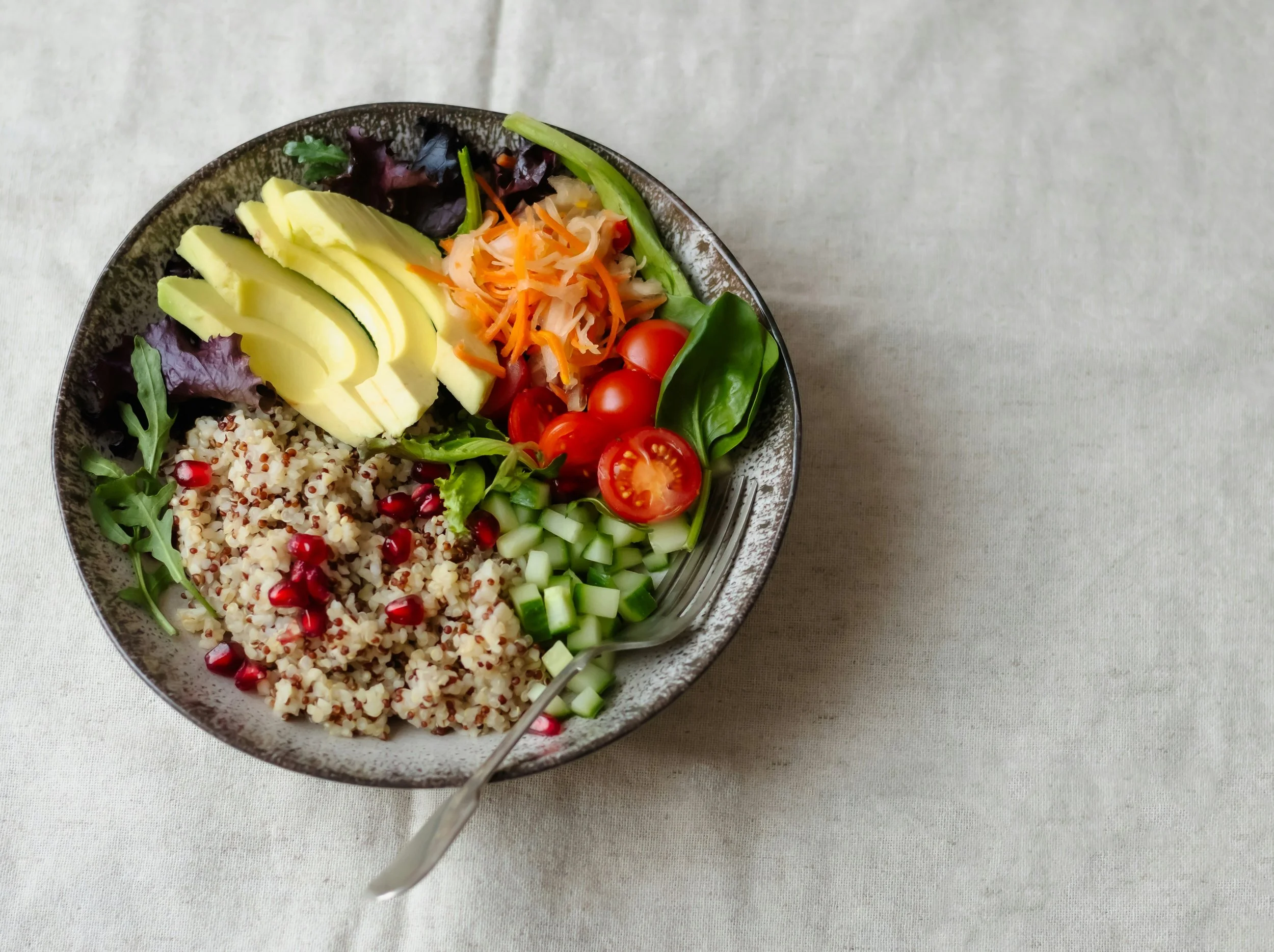
Try “eating the rainbow” by incorporating fresh foods of different colors:
Greens (leafy vegetables)
Reds (berries, peppers)
Oranges (sweet potatoes, carrots)
Purples (blueberries, cabbage)
Variety supports nutrition and keeps meals enjoyable.
Mindful eating is one of the most powerful ways to transform your relationship with food — because it puts you back in the driver’s seat.
Start with one habit this week. Practice it daily. Then add another.
Small shifts create lasting change.
If you want more mindful eating tools designed for women 35+, explore additional resources at MindfulnessWomen.com.