Eat These 10 Superfoods to Boost Energy, Balance Hormones, and Feel Like Yourself Again

If you’re a woman 35+ feeling tired, foggy, or out of sync with your body—you're not alone. The foods you eat have a powerful effect on your hormones, energy levels, mood, and overall vitality. These 10 clean, nutrient-rich superfoods are your go-to staples for resetting your body and reclaiming your glow—naturally.

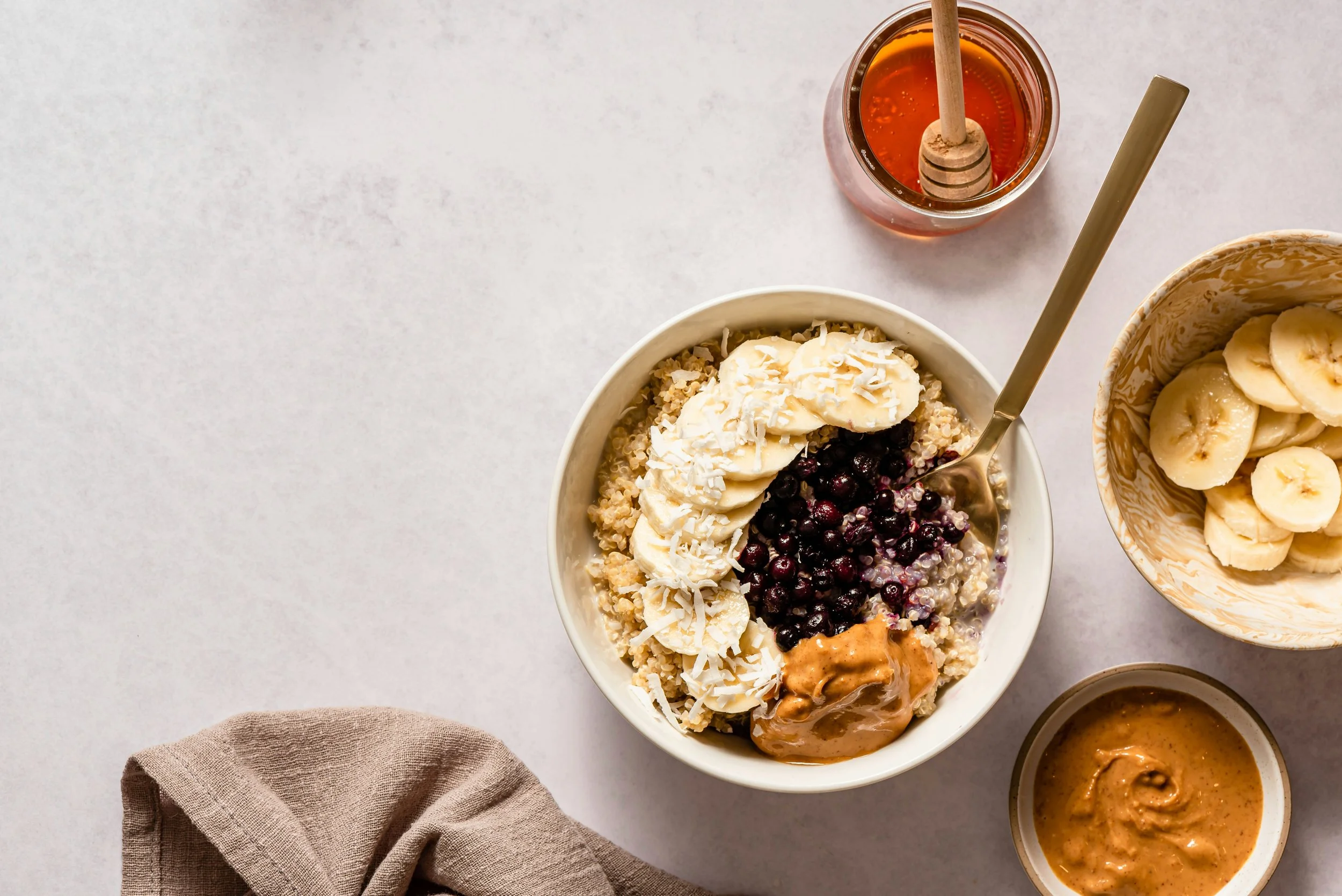
1. Quinoa

The hormone-supporting plant protein powerhouse

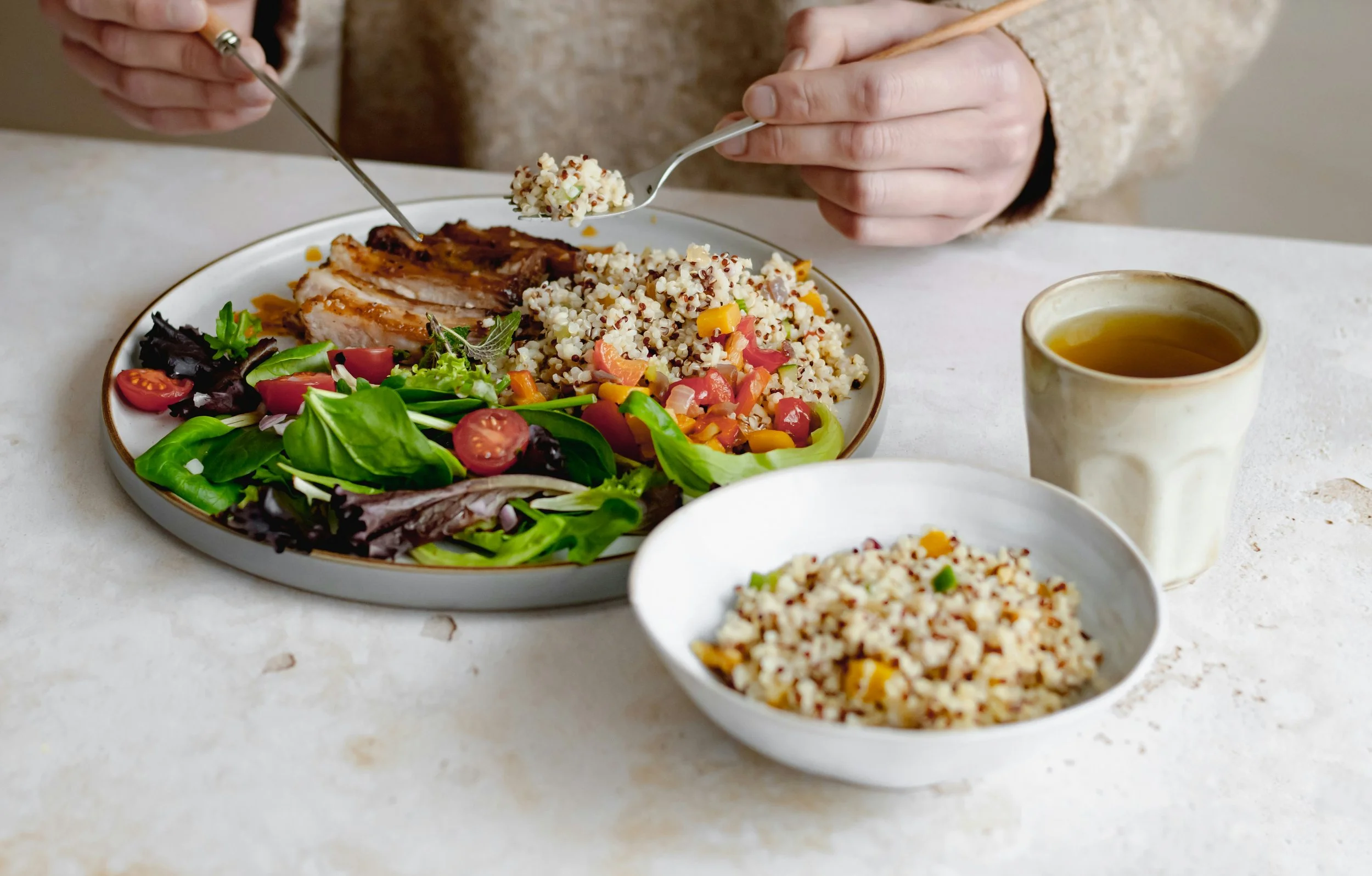
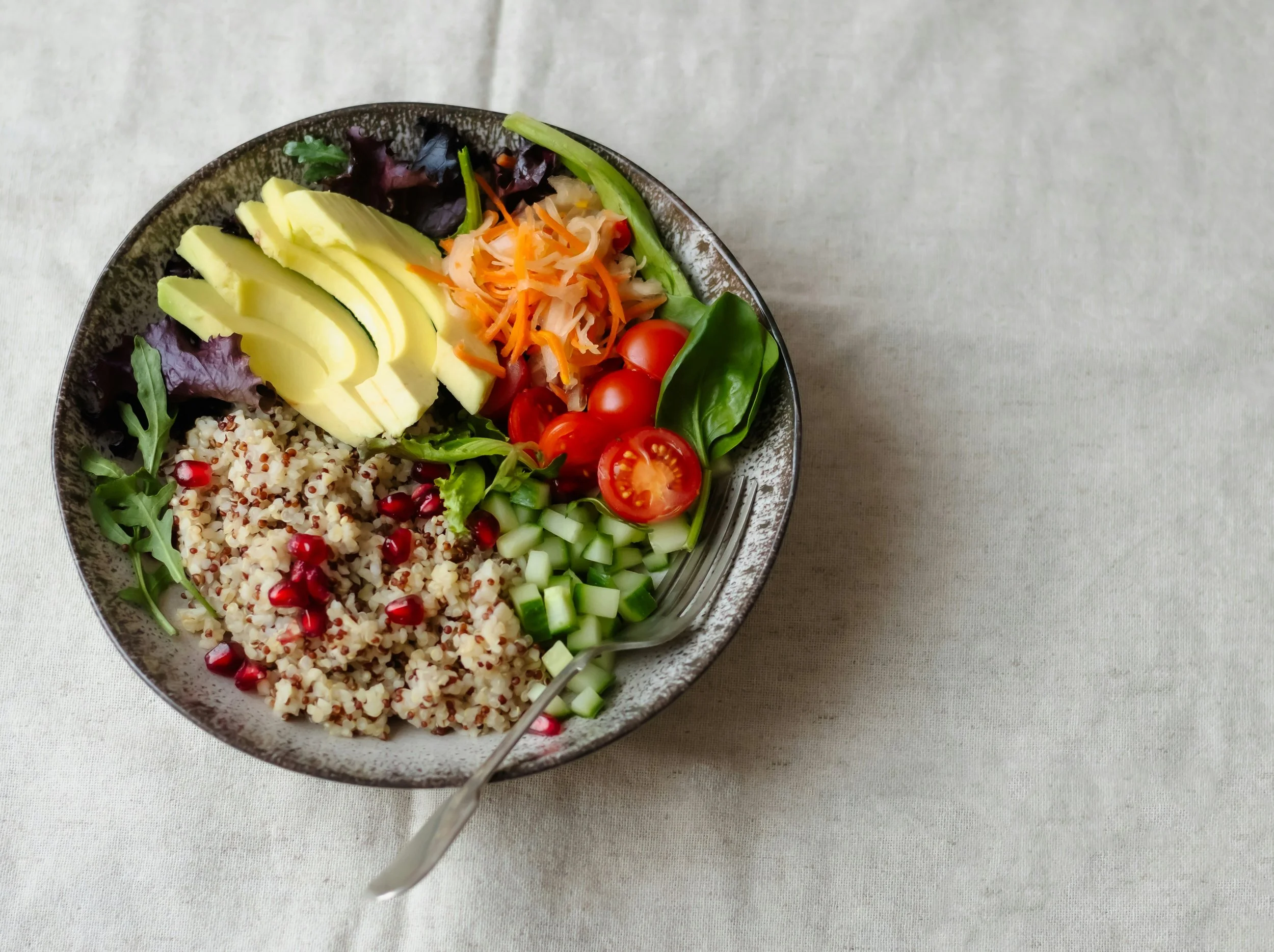
Though commonly thought of as a grain, quinoa is actually a seed—packed with protein, fiber, and hormone-friendly nutrients like iron and magnesium. It's a clean carb that fuels your metabolism and keeps your blood sugar steady.

How to use it: Toss it on salads, enjoy it warm with veggies, or mix into soups.

Why it helps:

  • Supports stable blood sugar

  • High in fiber and amino acids

  • Boosts metabolism and energy

2. Blueberries

Your antioxidant-rich brain and skin booster

These little berries pack a big punch. Loaded with antioxidants and vitamin C, they help combat inflammation, support brain clarity, and even improve skin health.

Why they help:

  • Promote heart and brain health

  • Fight free radical damage

  • Support collagen production (hello, glow!)

3. Wild-Caught Salmon

Your omega-3-rich, hormone-balancing protein

Rich in omega-3 fatty acids and clean protein, salmon is a staple for reducing inflammation, boosting mood, and supporting hormone health.

Pro tip: Always choose wild-caught to avoid toxins found in farmed fish.

Why it helps:

  • Regulates hormones

  • Promotes heart and joint health

  • Reduces inflammation and supports mood stability

4. Almonds & Walnuts

The snackable superfoods that fuel your mind and body

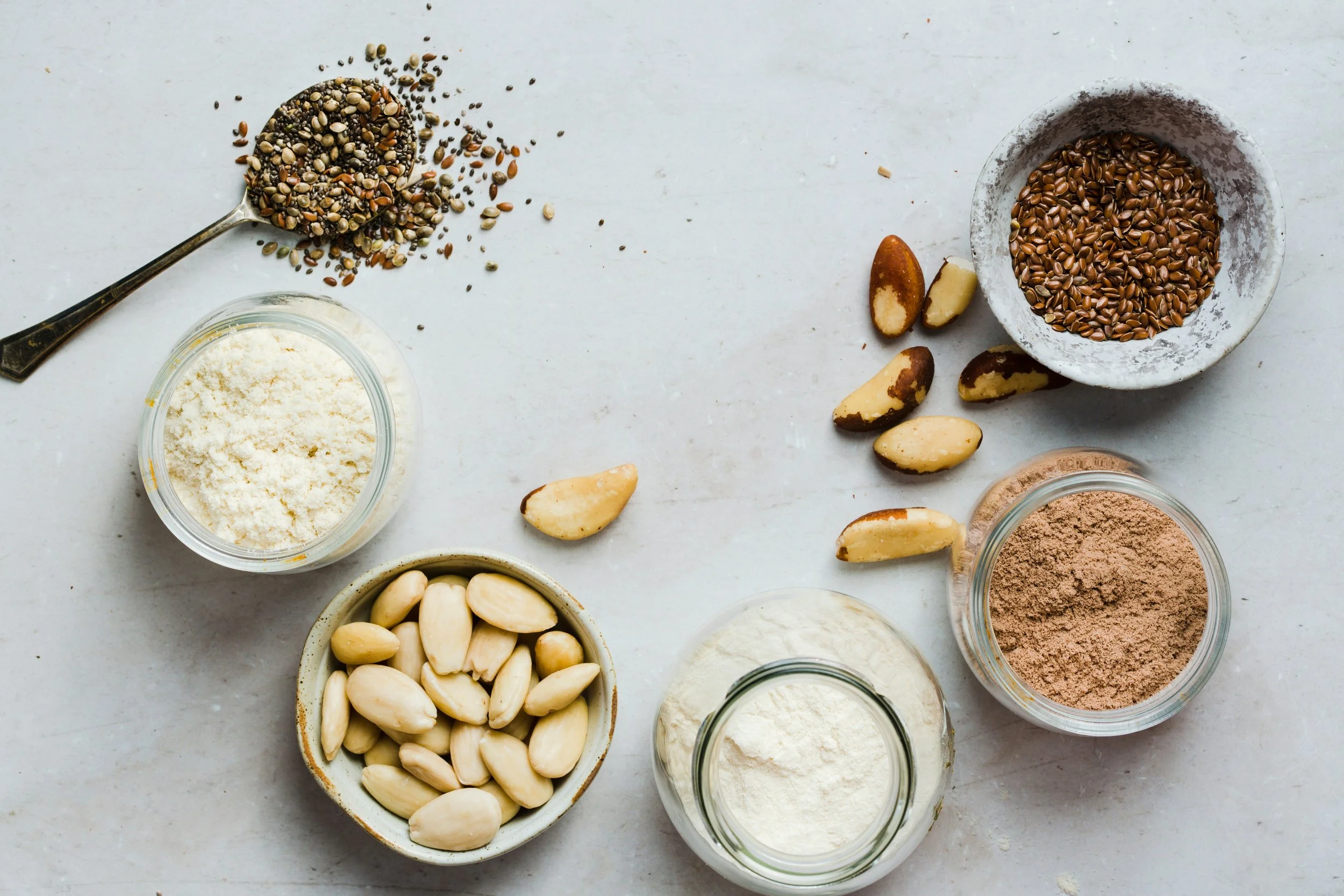
These hormone-friendly nuts are full of healthy fats, vitamin E, and minerals. They're excellent for memory, skin, heart health, and stabilizing blood sugar.

Why they help:

  • Reduce cravings

  • Improve brain function and memory

  • Fight inflammation and lower cholesterol

5. Avocado

The queen of healthy fats for women’s hormone health

Avocados are rich in monounsaturated fats that help absorb fat-soluble vitamins (A, D, E, K) and are critical for balancing hormones—especially during perimenopause and beyond.

Why it helps:

  • High fiber supports gut health

  • Promotes healthy cholesterol

  • Packed with antioxidants and anti-aging benefits

6. Cayenne Pepper

Your metabolism-boosting, inflammation-fighting spice

This fiery superfood boosts circulation, supports digestion, and helps detox your body—naturally.

Why it helps:

  • Increases metabolism

  • Supports weight loss

  • Rich in vitamins A, C, and E

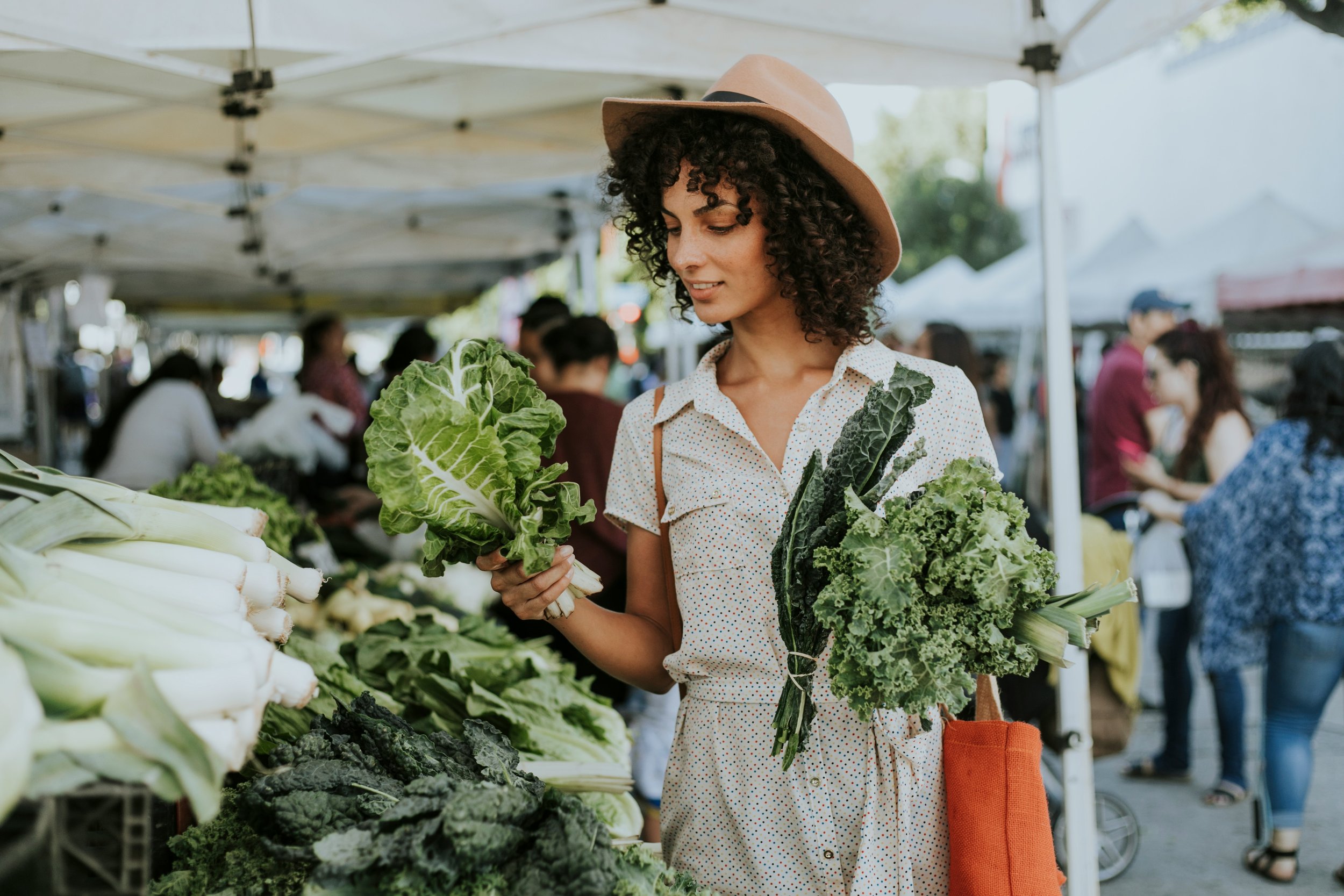
7. Kale

The detoxifying leafy green every woman needs

Kale is packed with fiber, calcium, iron, and plant compounds that fight disease and support liver detox—crucial for hormone regulation.

Why it helps:

  • Rich in antioxidants

  • Balances blood sugar

  • Promotes gut and liver health

8. Eggs

Affordable, versatile, and loaded with brain-boosting nutrients

Eggs—especially from pasture-raised chickens—are rich in choline, B vitamins, and omega-3s, all vital for brain and hormonal health.

Why they help:

  • Support cognitive function

  • Balance hormones naturally

  • Keep you full and satisfied longer

9. Sweet Potatoes & Yams

Clean carbs that support your cycle and blood sugar

Unlike white potatoes, sweet potatoes and yams are rich in beta-carotene, fiber, and hormone-supportive vitamins like B6 and C.

Why they help:

  • Support adrenal health

  • Boost progesterone naturally

  • Keep you full without blood sugar crashes

10. Green Tea

Your antioxidant-rich, metabolism-boosting sip

Green tea is one of the most powerful drinks you can add to your clean lifestyle. It’s loaded with catechins—antioxidants that support brain, heart, and hormone health.

Why it helps:

  • Promotes weight loss

  • Boosts focus and energy

  • Supports detoxification and healthy aging

These superfoods are more than trendy—they're deeply nourishing and backed by science. If you're feeling tired, inflamed, or out of balance, try incorporating a few of these into your daily meals. Small shifts lead to big changes.

Ready to reset your energy and balance your hormones?
Download my free guide: 7 Clean Foods That Support Hormones After 35 at MindfulnessWomen.com
10 Clean Eating Tips for Lasting Energy, Hormone Health, and Fat Loss

If you're a woman 35 or older, chances are you've noticed that your body reacts differently to food than it used to. From stubborn weight gain to fatigue, mood swings, and hormonal imbalances—what you eat truly matters.

The good news? Clean eating isn’t about perfection or restriction—it’s about nourishing your body with real food that helps you feel better, think clearer, and show up as your most vibrant self.

Here are 10 realistic clean eating tips to help you boost energy, balance hormones, and support fat loss—without dieting.

1. Choose Whole Foods Over Processed Every Time

Whole foods—like fruits, vegetables, lean proteins, and healthy fats—are naturally nutrient-dense and support hormonal balance. Processed foods, on the other hand, often contain preservatives, added sugars, and hormone-disrupting chemicals.

Tip: Build every meal around whole, real ingredients.

2. Moderation Over Restriction

Tracking what you eat (even briefly) can bring awareness to emotional eating patterns, sugar spikes, and foods that drain your energy.

Tip: Use a food journal or app to notice trends without judgment.

3. View Food as Fuel, Not a Fix

Shift your mindset from using food for emotional comfort to using it as fuel for energy, healing, and hormone support. Clean eating is an act of self-respect—not punishment.

Ask yourself: “Will this food help me feel better in 30 minutes?”

4. Ditch Calorie Counting for Nourishment Tracking

Focusing only on calories can keep you stuck in a diet mindset. Instead, ask: Is this food nutrient-dense? Does it support my energy, skin, cycle, or digestion?

Reminder: Your worth isn’t measured in calories—your wellness is built on nourishment.

5. Don’t Fear Healthy Fats

Good fats like avocados, walnuts, chia seeds, and olive oil are essential for hormone production, brain health, and satiety.

Tip: Add healthy fats to every meal to balance blood sugar and fight cravings.

6. Forget Fad Diets—Choose a Lifestyle You Can Keep

Diets come and go. But a clean eating lifestyle gives you flexibility, satisfaction, and long-term results—without burnout or rebound weight.

Tip: No more start-stop cycles—just real food that works for your real life.

7. Start Meals with Fiber-Filled, Low-Calorie Foods

Eating soup, salad, or fruit first helps you naturally eat less and feel full longer.

Tip: Start with greens or veggie-packed soups to support digestion and reduce overeating.

8. Balance Your Plate with All Food Groups

Every meal should include:

  • A clean protein (like salmon, eggs, or legumes)

  • A colorful vegetable or fruit

  • A healthy fat

  • A fiber-rich grain or starch

Tip: This balance supports hormones, energy, and fat metabolism—especially after 35.

9. Slow Down and Be Present at Mealtime

Mindless eating leads to overeating. Instead, sit down, breathe, and truly experience your food.

Tip: Notice the taste, texture, and how your body responds—it’s a game changer.

10. Let Healthy Eating Feel Good—Not Forced

When you focus on how amazing you feel after eating real, clean food, it becomes easier to stay consistent.

Tip: Celebrate how your body feels when it’s fueled with purpose and love.

Clean eating isn’t about strict rules—it’s about supporting your energy, hormones, and emotional well-being so you can show up fully in your life.

If you're ready to take the next step, download my free guide:
“7 Clean Foods That Balance Hormones After 35” at MindfulnessWomen.com
You deserve to feel like yourself again.

The Ultimate Low-Calorie Food List for Women 35+

If you're a woman over 35, your body has likely started to respond differently to the foods you eat. Slower metabolism, hormonal fluctuations, and increased fatigue make clean, nutrient-dense choices more important than ever.

This ultimate low-calorie food list is your go-to guide for feeling energized, reducing inflammation, balancing hormones, and staying full—without counting every bite.

Whether you're aiming for fat loss, hormone balance, or sustained energy throughout your day, this list will help you build meals and snacks that nourish your body without the blood sugar rollercoaster.

LOW-CALORIE FRUITS

These fruits are naturally sweet, packed with antioxidants, and low in calories—perfect for snacks, smoothies, or clean desserts.

  • Apple – 70 calories (medium)

  • Apricots – 55 calories (¾ cup)

  • Grapefruit – 39 calories (half)

  • Grapes – 69 calories (100g red grapes)

  • Honeydew Melon – 61 calories (1 cup)

  • Kiwi – 46 calories (1 fruit)

  • Lemons/Limes – 20 calories (1 fruit)

  • Jicama – 45 calories (1 cup, chopped)

  • Pineapple – 81 calories (1 cup diced)

  • Plums – 30 calories (1 fruit)

  • Pumpkin (cooked) – 30 calories (1 cup)

  • Raspberries – 65 calories (1 cup)

  • Starfruit – 29 calories (1 fruit)

  • Strawberries – 49 calories (1 cup)

  • Watermelon – 46 calories (1 cup)

  • Oranges – 60 calories (1 fruit)

  • Papaya – 54 calories (1 cup)

  • Peaches – 37 calories (1 fruit)

  • Blackberries – 62 calories (1 cup)

  • Blueberries – 84 calories (1 cup)

  • Cantaloupe – 60 calories (1 cup)

LOW-CALORIE VEGETABLES

These fiber-rich, vitamin-packed veggies are your best friend for satiety and gut health.

  • Radishes – 19 calories (1 cup)

  • Spinach – 7 calories (1 cup)

  • Sugar Snap Peas – 30 calories (½ cup)

  • Summer Squash – 18 calories (1 cup)

  • Tomatoes – 22 calories (medium)

  • Turnip – 36 calories (1 cup)

  • Watercress – 4 calories (1 cup)

  • Zucchini – 20 calories (1 cup)

  • Peppers – 30 calories (½ cup)

  • Snow Peas (cooked) – 34 calories (½ cup)

  • Scallions – 31 calories (100g)

  • Arugula – 4 calories (1 cup)

  • Asparagus – 27 calories (1 cup)

  • Baked Potato – 170 calories (medium)

  • Baked Sweet Potato – 55 calories (small)

  • Beets – 37 calories (½ cup)

  • Bell Peppers – 37 calories (1 pepper)

  • Cabbage – 22 calories (1 cup)

  • Carrots – 22 calories (½ cup)

  • Cauliflower – 27 calories (1 cup)

  • Celery – 16 calories (1 cup)

  • Cucumber – 45 calories (whole)

  • Bok Choy (shredded) – 9 calories (1 cup)

  • Broccoli – 31 calories (1 cup)

  • Brussels Sprouts – 38 calories (1 cup)

  • Chinese Cabbage – 12 calories (1 cup)

  • Fennel – 27 calories (1 cup)

  • Garlic – 4 calories (1 clove)

  • Hearts of Palm – 115 calories (100g)

  • Leeks (cooked) – 32 calories (1 cup)

  • Lettuce – 5 calories (1 cup)

  • Kale – 5 calories (1 cup)

  • Mushrooms – 15 calories (1 cup)

  • Okra – 36 calories (1 cup)

  • Onions – 32 calories (1 cup)

LEAN PROTEINS & PLANT-BASED OPTIONS

Protein is essential for balancing blood sugar and building lean muscle—especially after 35.

  • Eggs – 72 calories (large)

  • Black Beans – 114 calories (½ cup)

  • Deli Turkey – 72 calories (3 oz)

  • Teff (cooked) – 128 calories (½ cup)

  • Hummus – 80 calories (3 tbsp)

  • Kidney Beans (cooked) – 108 calories (½ cup)

  • Lentils – 115 calories (½ cup)

  • Powdered Peanut Butter – 45 calories (1 tbsp)

  • Refried Beans (cooked) – 91 calories (½ cup)

  • Silken Tofu – 31 calories (3 oz)

LOW-CALORIE SEAFOOD & MEATS

  • Cod – 82 calories (100g)

  • Chicken Breast (boneless, skinless) – 110 calories (100g)

  • Chicken Drumstick – 75 calories (1 piece)

  • Lean Round Steak – 168 calories (100g)

  • Mussels – 73 calories (3 oz)

  • Oysters – 81 calories (100g)

  • Pork Tenderloin – 143 calories (100g)

  • Salmon – 116 calories (100g)

  • Scallops – 88 calories (100g)

  • Turkey Breast – 111 calories (100g)

  • Turkey Leg – 91 calories (3 oz)

DAIRY (LOW-FAT OPTIONS)

  • Low-Fat Cottage Cheese – 82 calories (½ cup)

  • Skim Milk – 86 calories (1 cup)

  • Mozzarella – 71 calories (1 oz)

  • Parmesan – 21 calories (1 tbsp)

  • Plain Non-Fat Yogurt – 137 calories (1 cup)

GRAINS (CLEAN & FILLING)

  • Oatmeal (cooked) – 124 calories (¾ cup)

  • Quinoa – 222 calories (1 cup cooked)

  • Rice Cakes – 35 calories (1 cake)

  • Sandwich Thins – 50 calories (½ thin)

  • Wheat Bran – 31 calories (¼ cup)

  • Wild Rice – 166 calories (1 cup)

  • Bulgur (cooked) – 76 calories (½ cup)

  • Chestnuts – 63 calories (1 oz)

  • Granola – 85 calories (3 tbsp)

NOODLES

  • Shirataki Noodles – 5 calories (100g)

  • Soba Noodles – 113 calories (1 cup cooked)

SOUPS & BROTHS

  • Clear Broth – 10 calories (1 cup)

CLEAN SNACKS

  • Dill Pickle – 14 calories (large)

  • Frozen Fruit Bar – 30 calories

  • Sugar-Free Jello – 10 calories (½ cup)

  • Air-Popped Popcorn – 31 calories (1 cup)

DRINKS

  • Tea (no sugar) – 0 calories

  • Black Coffee (no sugar) – 0 calories

  • Unsweetened Almond Milk – 38 calories (1 cup)

Low-calorie doesn’t mean low-nutrition. When you're over 35, your body needs more nutrients per bite, not less food. Use this guide to meal prep, snack smart, and support your hormone health—without giving up flavor or satisfaction.

Ready for more?

Download my free guide: “7 Clean Foods That Balance Hormones After 35” at www.mindfulnesswomen.com

Start Eating Clean Today with These 5 Simple Shifts

Clean eating isn’t about perfection—it’s about intention. For women over 35, embracing a clean eating lifestyle is one of the most powerful ways to support hormone health, increase energy, and reduce inflammation. But like most big changes, it can feel overwhelming at first.

The good news? Clean eating doesn’t have to be complicated or restrictive. With a few simple shifts, you can make it a sustainable part of your everyday life—without giving up flavor or fun.

Here are 5 practical ways to start eating clean today (no fad diets or food guilt required).

1. Start with Just One Meal

Instead of trying to overhaul your entire diet overnight, focus on making one meal cleaner—starting today.

Try this:
Swap your typical processed breakfast (cereal, granola bars, or fast food) for a clean combo like:

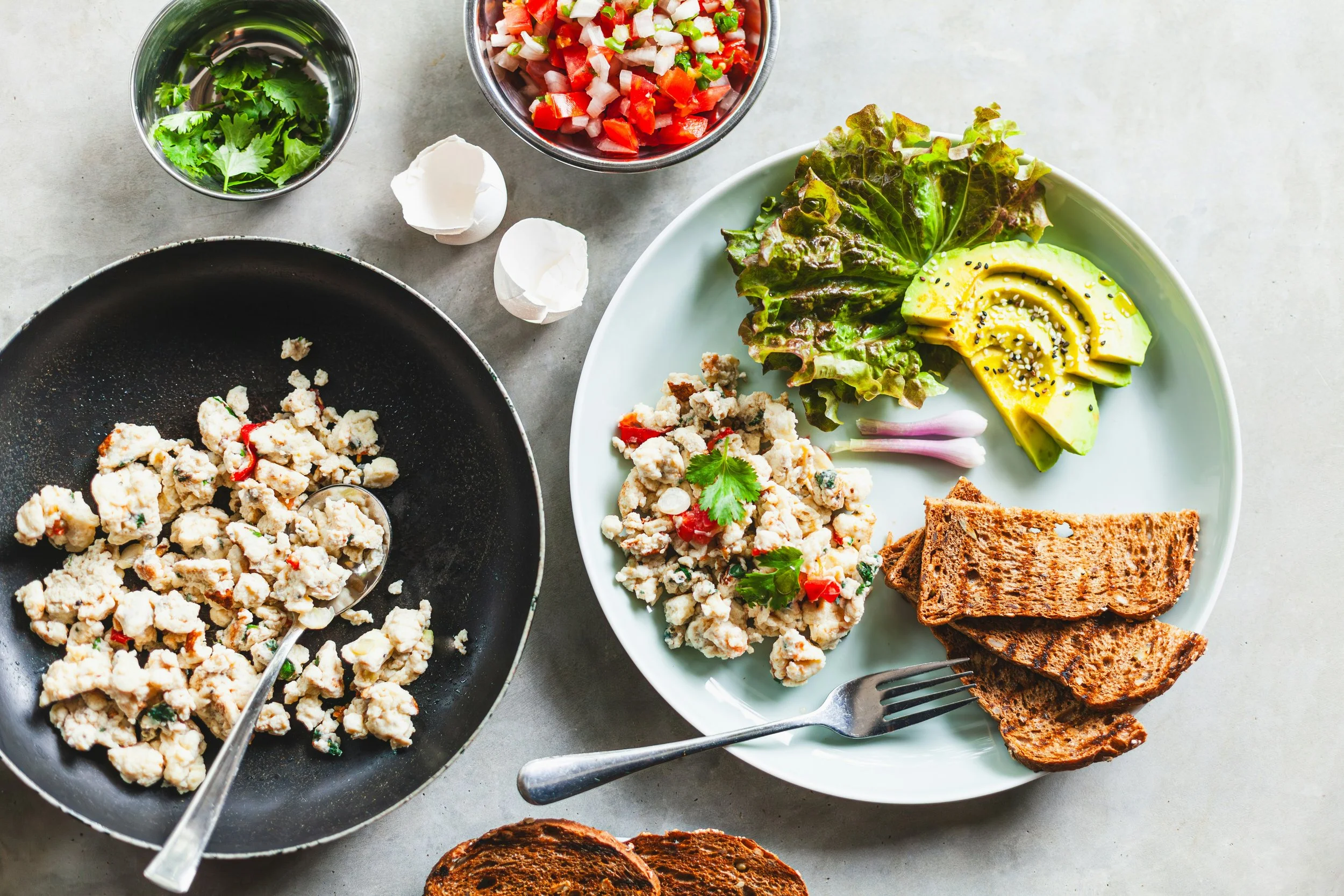
  • 2 pasture-raised eggs + avocado toast on sprouted grain bread

  • Overnight oats with chia seeds, almond milk, and berries

  • Greek yogurt with flaxseeds and fresh fruit

Starting small builds momentum—and consistency wins over perfection every time.

2. Plan Your Meals & Cook at Home More Often

Meal planning doesn’t have to be rigid—it’s just a way to make your week easier. When you plan your meals ahead of time, you’re more likely to:

  • Avoid impulse snacking

  • Try new clean ingredients

  • Stick to your goals without feeling deprived

Pro Tip:
Choose 1–2 new clean recipes to try each week and prep key ingredients (like chopped veggies or cooked quinoa) ahead of time. This makes clean eating feel doable—even on your busiest days.

Cooking at home also gives you full control over your ingredients, especially when eating out means hidden sugar, sodium, and additives.

3. Keep Fruits & Veggies in Stock (and Visible!)

One of the easiest ways to stay consistent with clean eating? Make it convenient.

Fill your fridge and pantry with colorful fruits and vegetables—then keep them front and center. These fiber-rich foods help reduce inflammation, balance blood sugar, and improve digestion.

Easy swaps to try:

  • Replace chips with sliced cucumbers and hummus

  • Keep frozen fruit on hand for smoothies

  • Roast a batch of veggies on Sunday for easy sides all week

4. Eat 5–6 Small Meals Throughout the Day

Clean eating isn’t about eating less—it’s about eating smarter.

When you nourish your body with clean foods consistently throughout the day, you:

  • Keep your metabolism steady

  • Avoid energy crashes and cravings

  • Support your hormones and digestion

Sample daily rhythm:

  • Breakfast: Oats + chia + fruit

  • Snack: Apple + nut butter

  • Lunch: Grilled salmon + quinoa + greens

  • Snack: Hard-boiled egg + berries

  • Dinner: Stir-fry veggies + tofu or chicken

  • Optional treat: Dark chocolate or herbal tea

5. Give Yourself Grace and Flexibility

You don’t need to eat “perfectly” to live clean. In fact, being too rigid can backfire.

If you enjoy a cookie, a glass of wine, or a meal out—enjoy it fully and move on. Clean eating is about building a foundation of nourishing habits, not eliminating every treat.

Reminder: A lifestyle is built over time. One indulgence doesn’t undo your progress.

Every clean meal is a vote for the vibrant, energized, hormone-balanced version of you.

Start where you are. One meal. One swap. One habit at a time.

Want to make it easier?
Grab my free guide: 7 Clean Foods That Balance Hormones After 35

6 Simple Ways to Eat More Fruits and Veggies (Without Forcing It)

Want to eat more fruits and vegetables—without feeling like you’re forcing yourself? These small shifts make it easier to add more produce to your day naturally (and actually enjoy it).

1) Pair fruit with foods you already like

Fruit doesn’t have to be a standalone snack. Add chopped apples or berries to a salad, oatmeal, or yogurt.
And don’t forget: avocados are fruit, and they’re a satisfying, nutrient-dense add-on that helps you feel fuller longer.

2) Chop it up and make it easy to grab

Fruits and veggies feel more doable when they’re already prepped.
Slice up apples, bananas, carrots, cucumbers, or bell peppers and keep them in bite-size pieces so you can snack without thinking.

3) Blend it into a smoothie

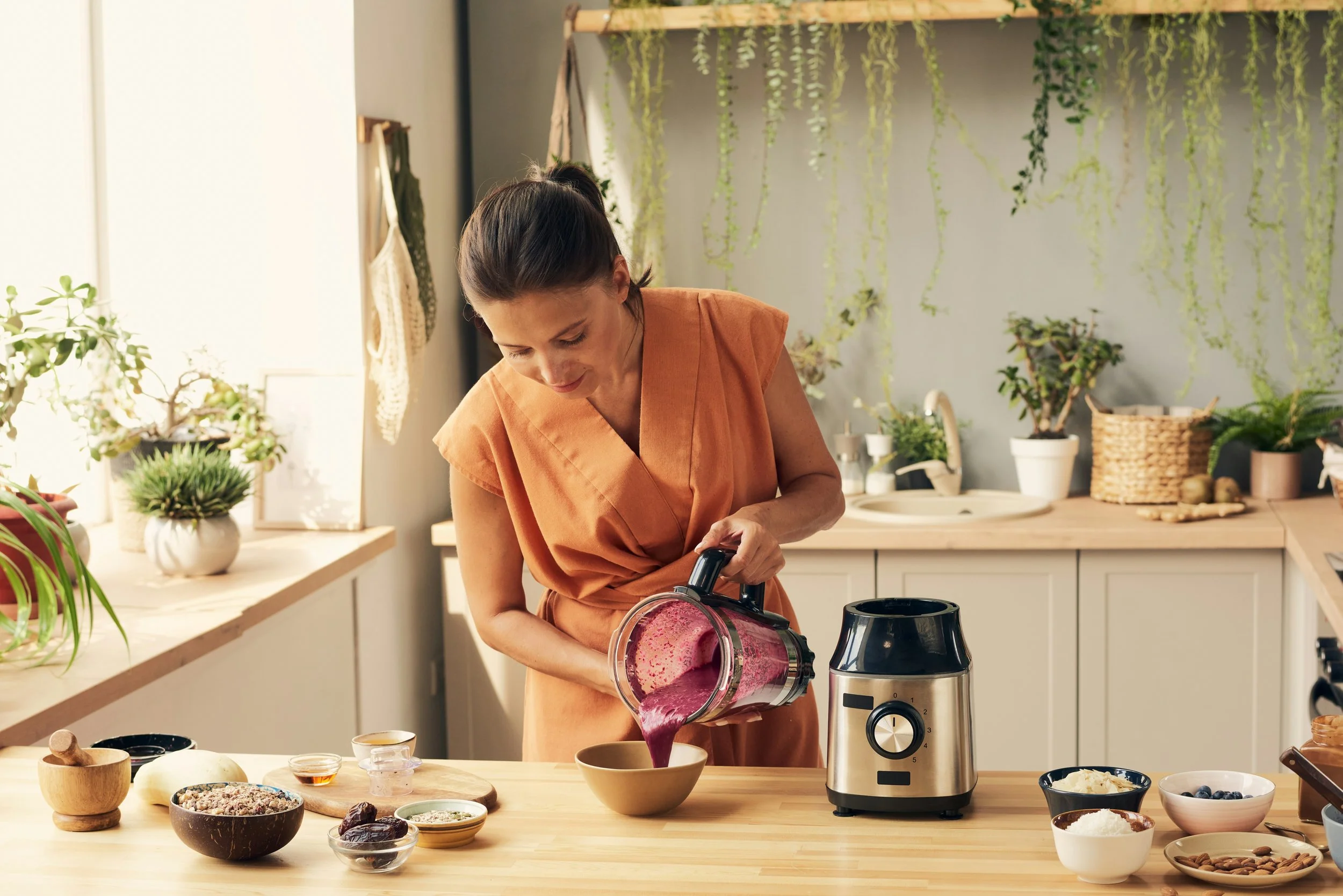
Smoothies are one of the easiest ways to “sneak in” fruits and veggies—especially leafy greens.
Try combining berries + banana + spinach or kale. The fruit naturally balances the taste, and you still get the benefits.

4) Turn veggies into a soup

Plain boiled vegetables can be boring—but soup changes everything.
Mix a few veggies together for a chunky soup, or blend it for a thick, creamy texture (without needing heavy ingredients).

5) Double the veggies in meals you already cook

This is the easiest “no effort” method.
If a recipe calls for one cup of veggies, use two. Add extra peppers, onions, spinach, mushrooms, broccoli, or corn—especially in things like pasta, stir-fries, tacos, and pizza.

6) Roast vegetables and season them well

Roasting brings out natural sweetness and makes veggies taste so much better.
Try sweet potatoes or butternut squash with a little oil and herbs (like parsley or rosemary), then roast until tender and lightly crisp.