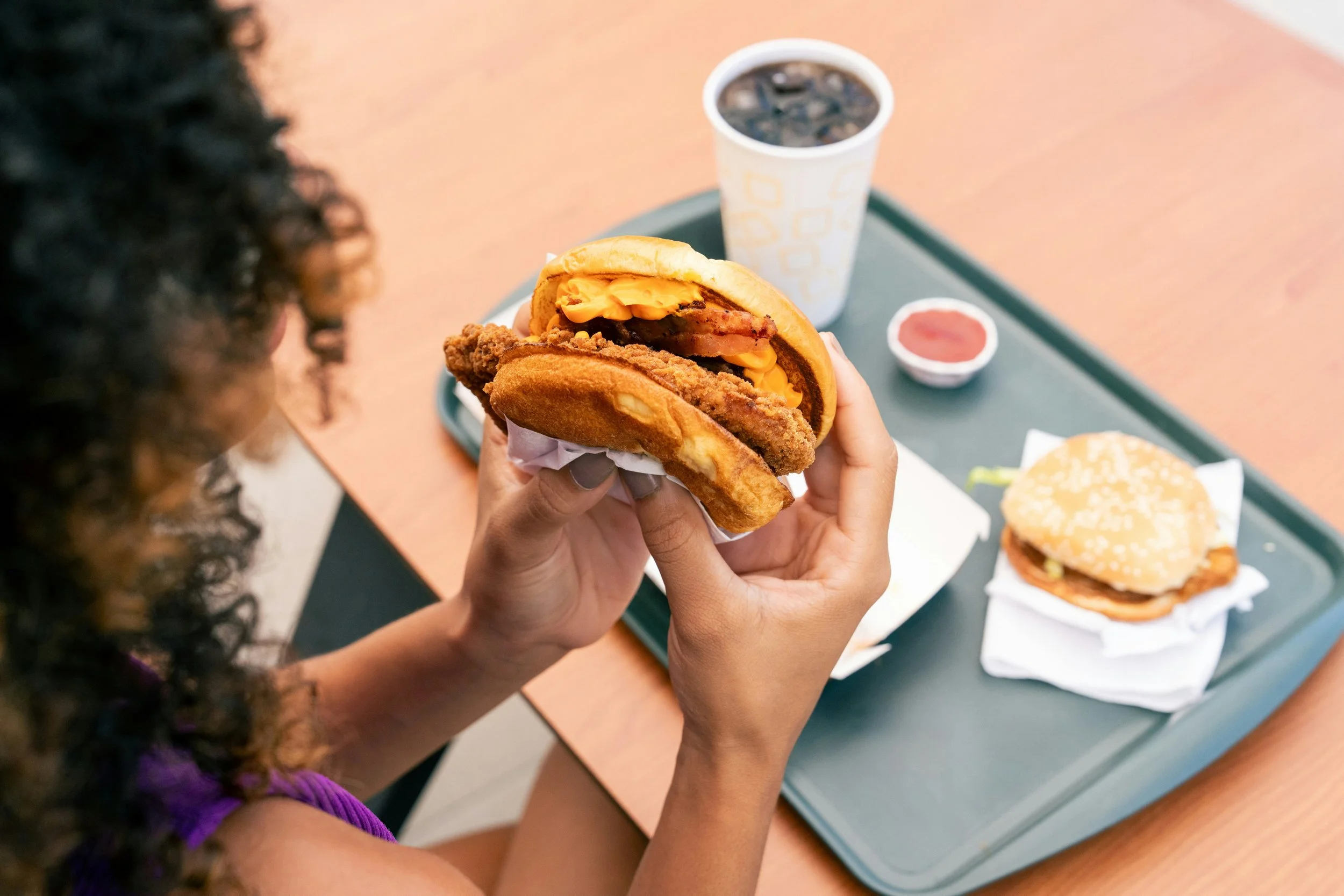
If you’ve ever felt like your body craves sugar, processed foods, or late-night snacks on autopilot — you’re not imagining it.
Cravings are not just about willpower. They’re neurological, hormonal, and emotional.
The foods you eat most often literally train your brain to want more of them.
The empowering part?
You can retrain your brain the same way — through consistent, mindful shifts.
Here are 10 powerful ways to start craving clean, nourishing foods naturally.
1. Start with Simple Swaps
You don’t need to overhaul your entire diet overnight.
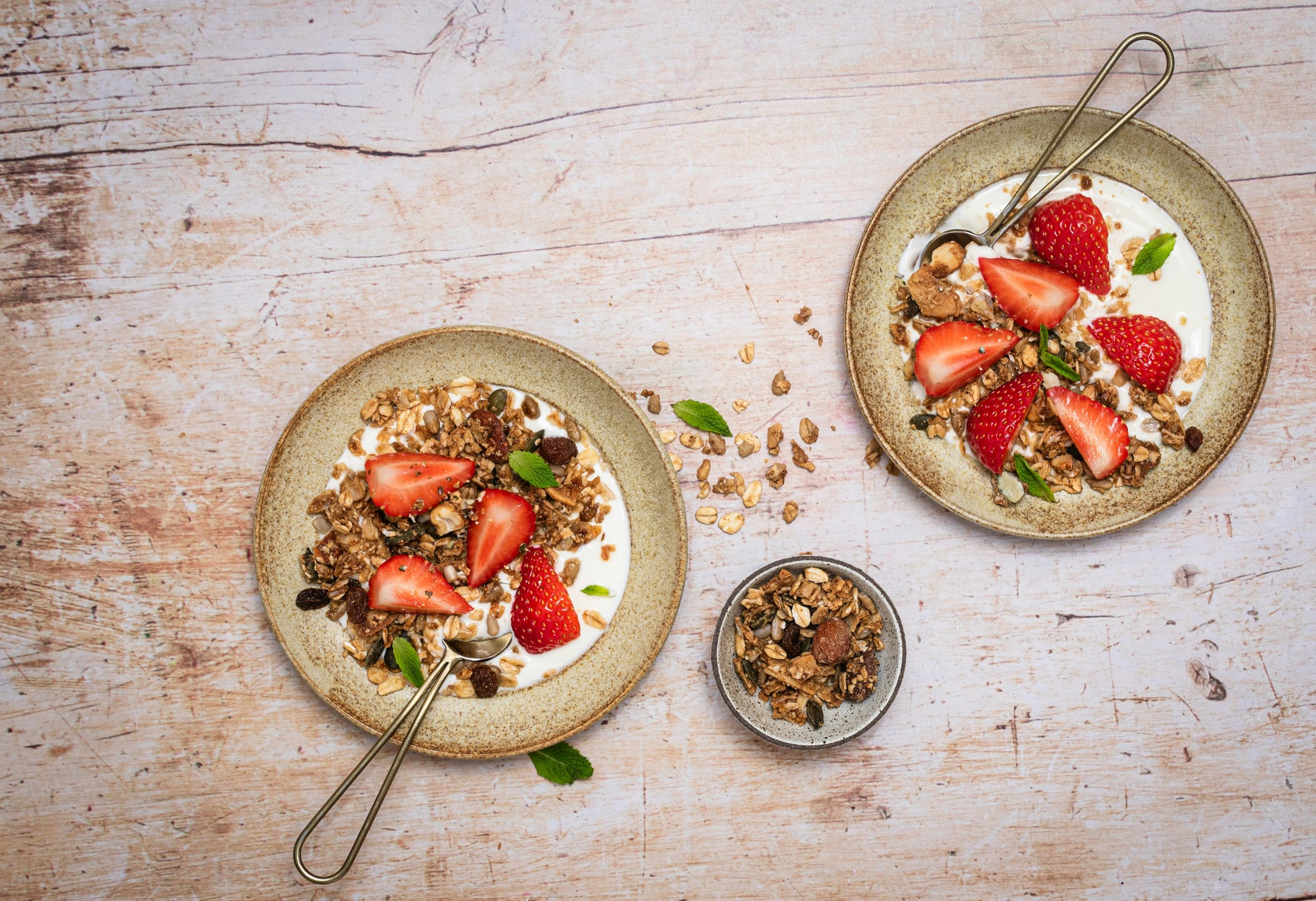
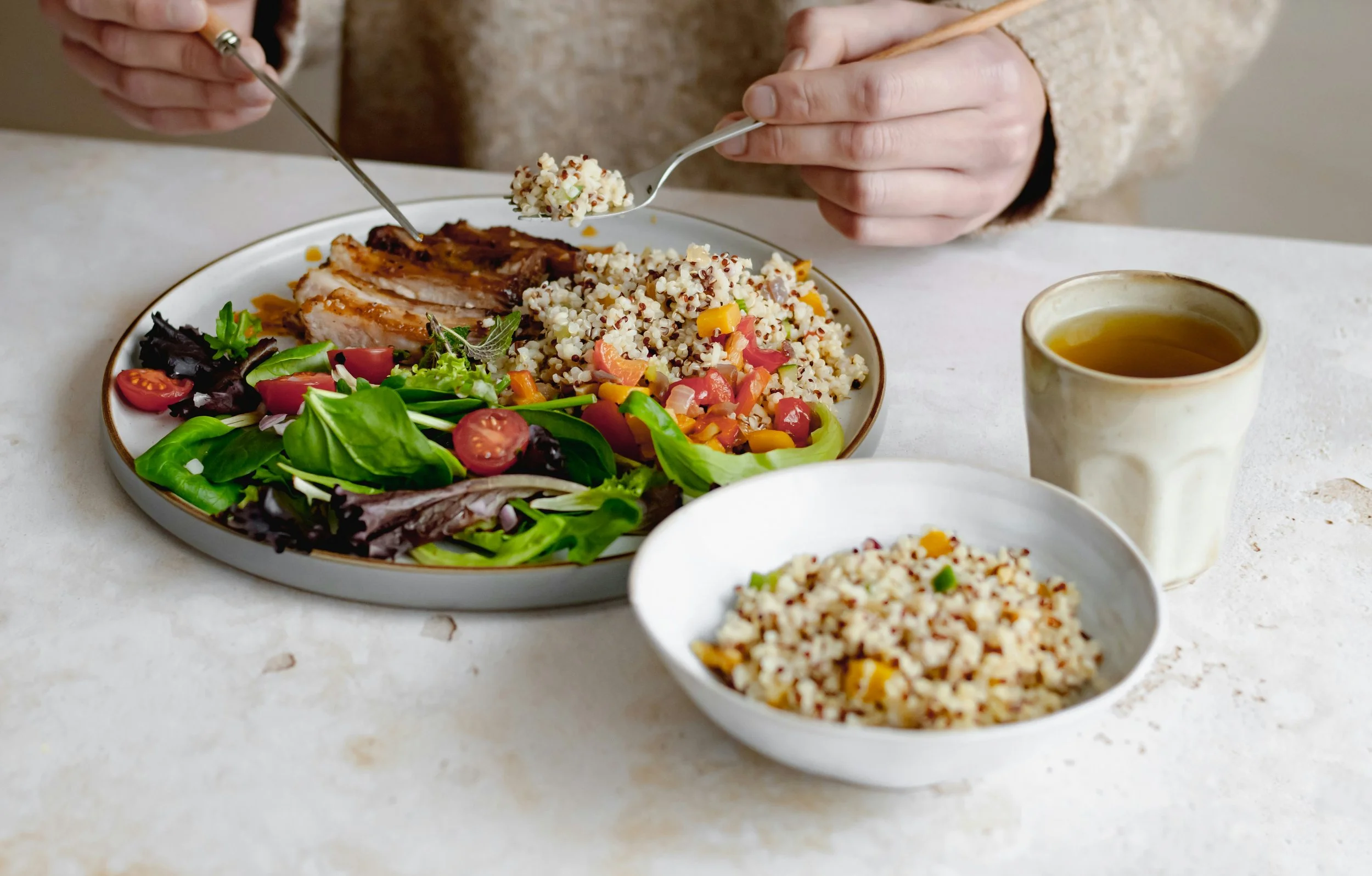
Begin by replacing one or two foods at a time:
Swap French fries for baked sweet potato fries
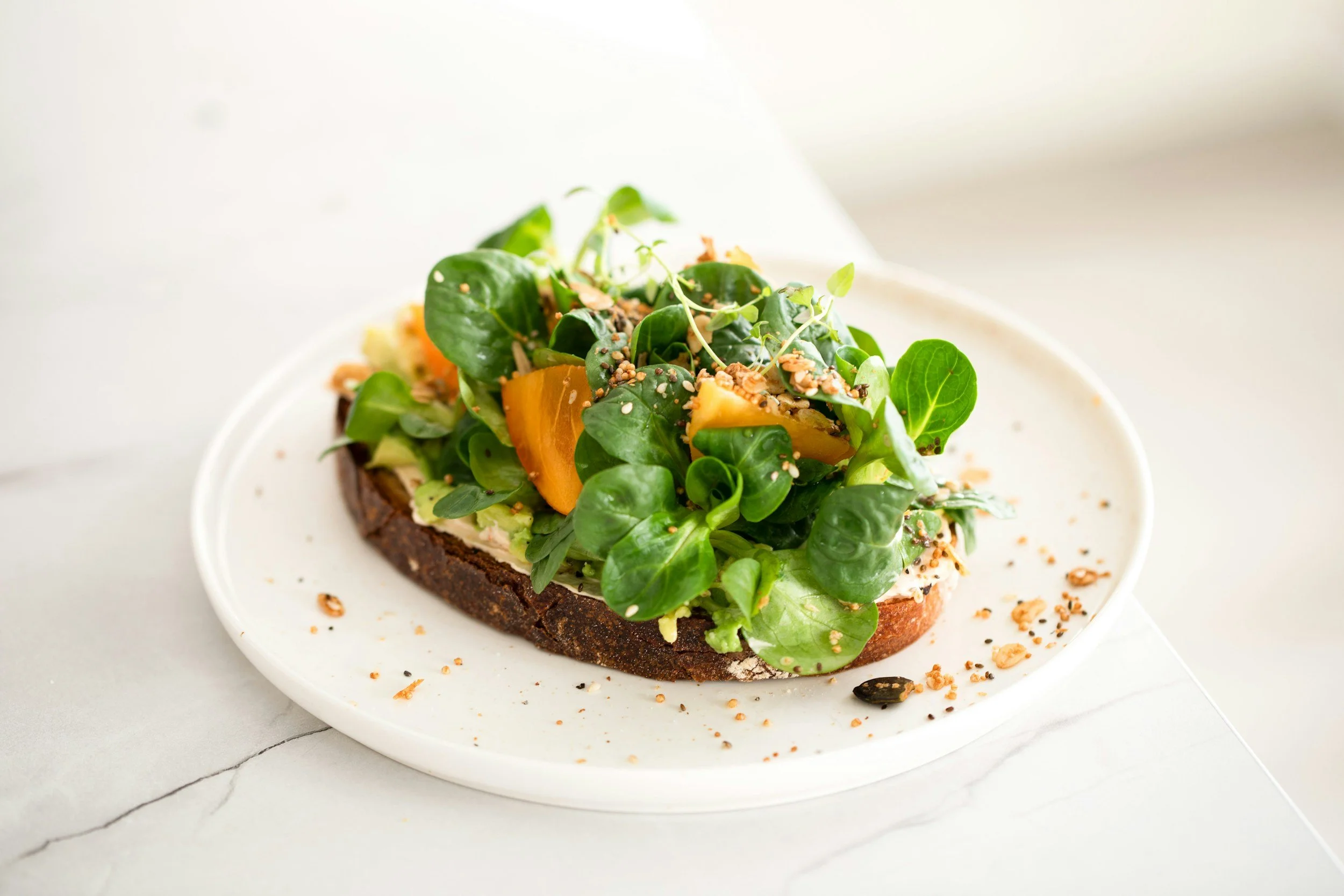
Replace white bread with sprouted or whole-grain options
Choose kale chips instead of potato chips
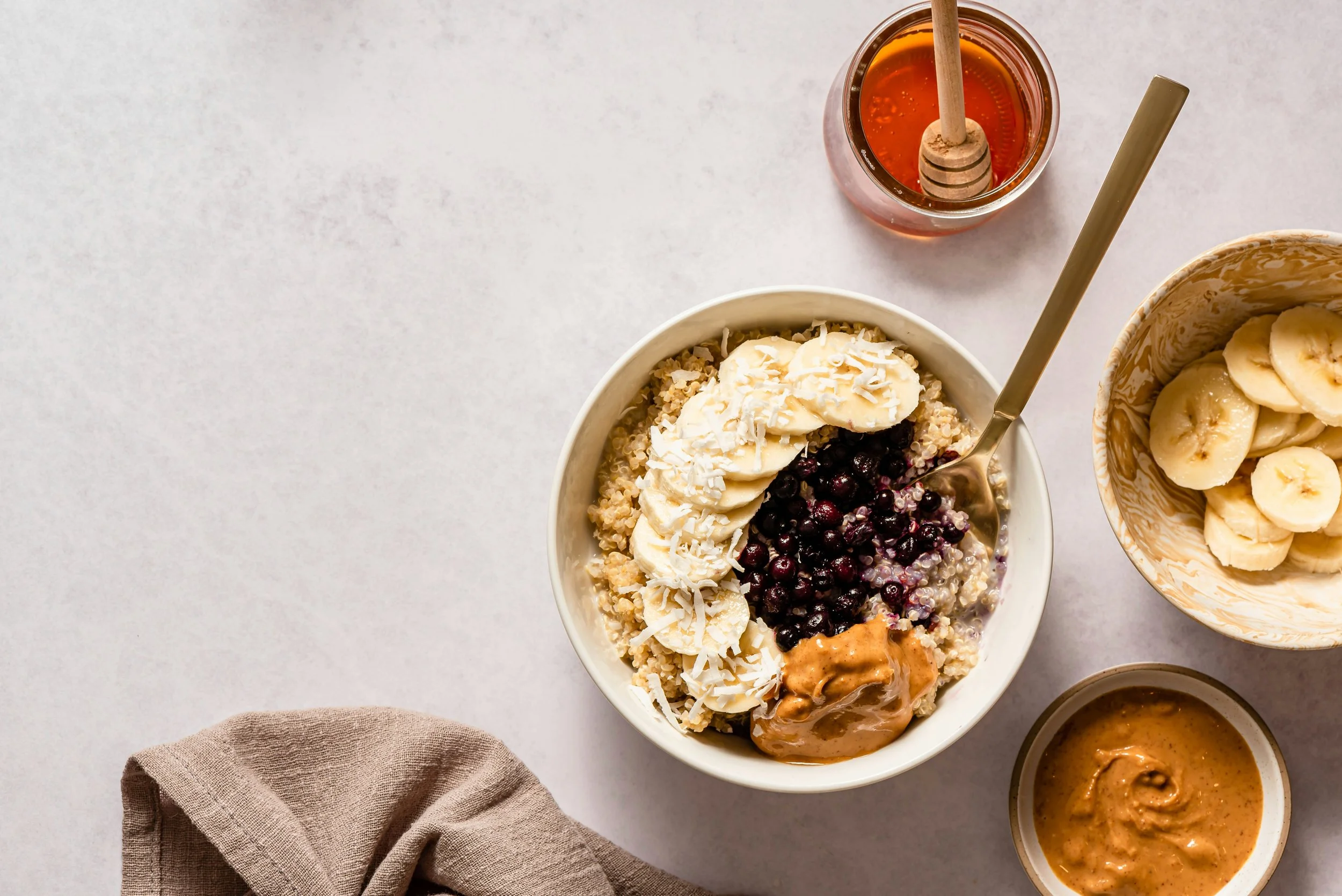
Use quinoa or oats instead of refined grains
Making small swaps every 7–10 days allows your brain and taste buds to adapt gradually — without feeling deprived.
2. Understand the Addictive Nature of Sugar
Sugar is engineered to keep you hooked.
It’s added to processed foods, sauces, frozen meals, and even “healthy” snacks — often in hidden forms.
Excess sugar spikes blood sugar, disrupts hormones, and fuels ongoing cravings.
Reducing processed foods, restaurant meals, and packaged snacks naturally lowers your sugar intake — and retrains your palate over time.
3. Address Emotional Eating Triggers
Research shows that a large percentage of unhealthy eating is emotionally driven — not hunger-based.
Stress, fatigue, anxiety, and overwhelm often trigger cravings for comfort foods.
Support your nervous system through:
Quality sleep
Meditation
Yoga
Therapy or journaling
Physical activity
When stress decreases, emotional cravings lose their power.
4. Remove Temptation from Your Environment
Your environment shapes your habits.
If ultra-processed snacks are within reach, your brain will default to them — especially when tired or stressed.
Do a kitchen reset:
Clear out junk food
Replace soda with water or herbal tea
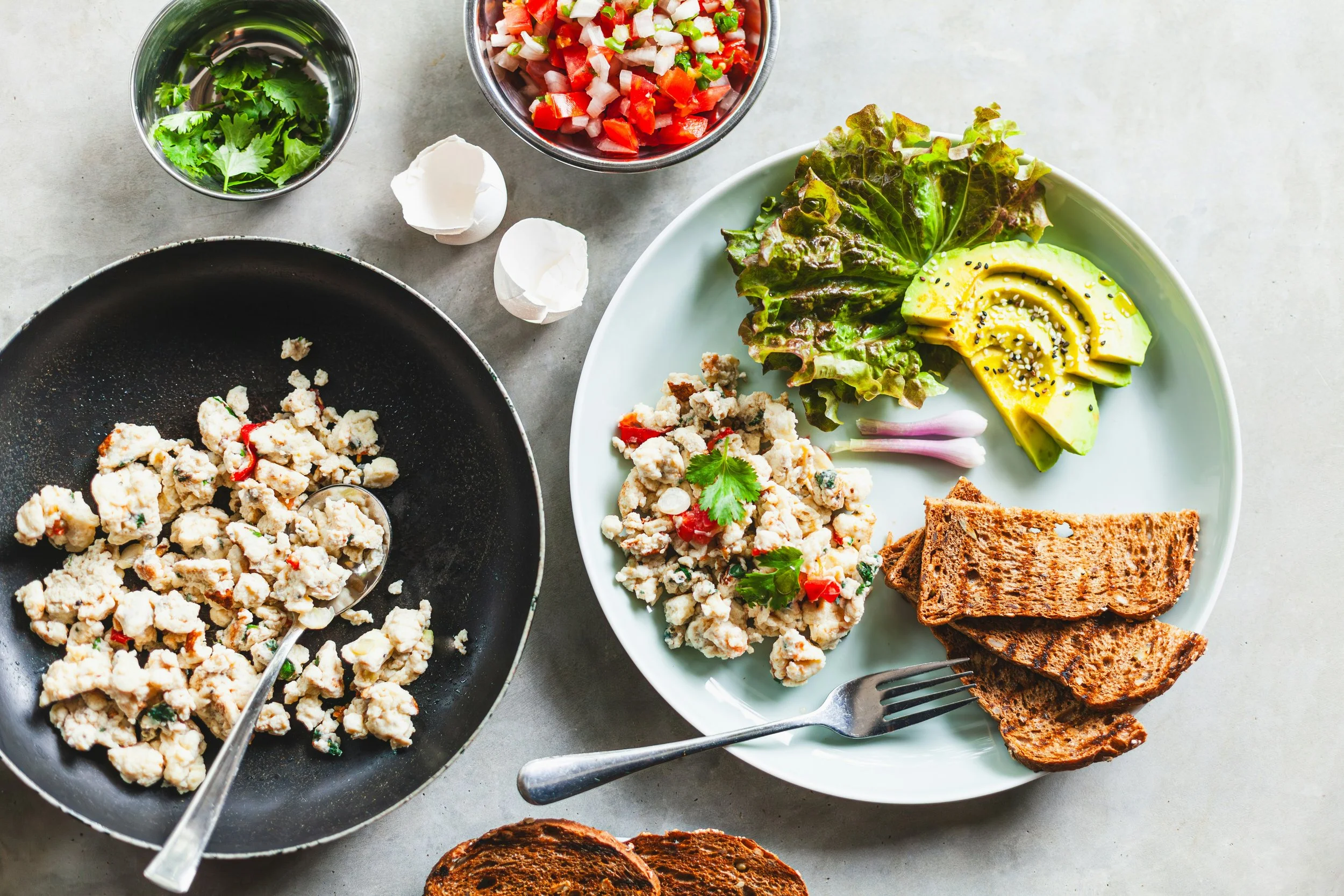
Stock fruits, vegetables, nuts, and clean snacks
When healthy foods are visible and accessible, your choices naturally improve.
5. Pay Attention to How Food Makes You Feel
Awareness builds motivation.
Try this simple experiment:
Eat heavily processed foods for a few days and journal how you feel — energy, mood, digestion, focus.
Then eat whole, clean foods for a week and track the same markers.
Most women notice:
Better energy
Less bloating
Improved mood
Clearer thinking
When your body feels the difference, your brain starts choosing differently.
6. Surround Yourself with Healthy Options
Convenience drives behavior.
Keep nourishing foods easily available:
Fresh fruit
Pre-cut vegetables
Smoothie ingredients
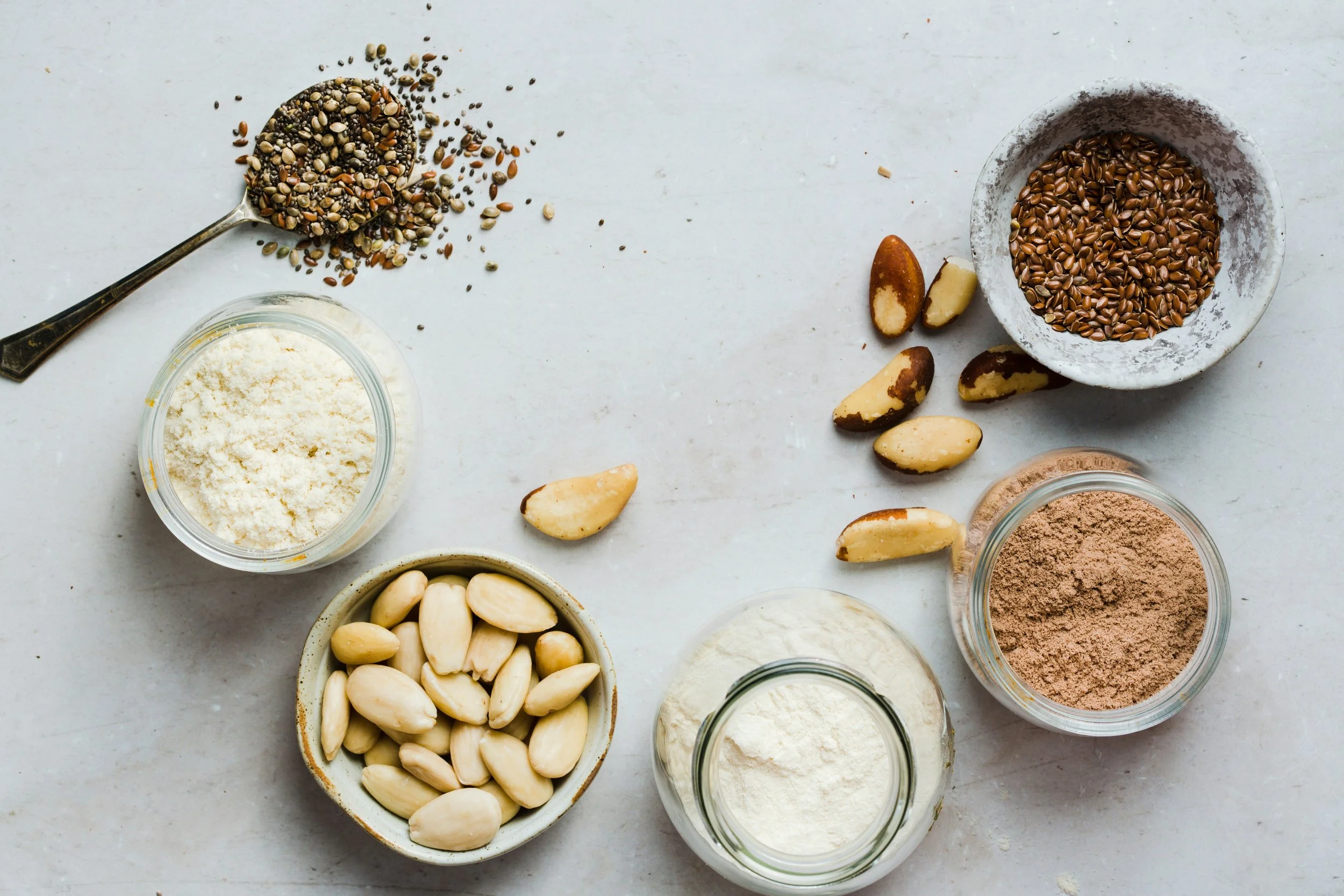
Nuts and seeds
Clean protein snacks
When healthy food is the easiest option, it becomes the default option.
7. Expand Your Taste Profile
Many people believe they “don’t like healthy food” — but often they just haven’t explored enough variety.
Experiment with new recipes, spices, and preparation styles.
Try:
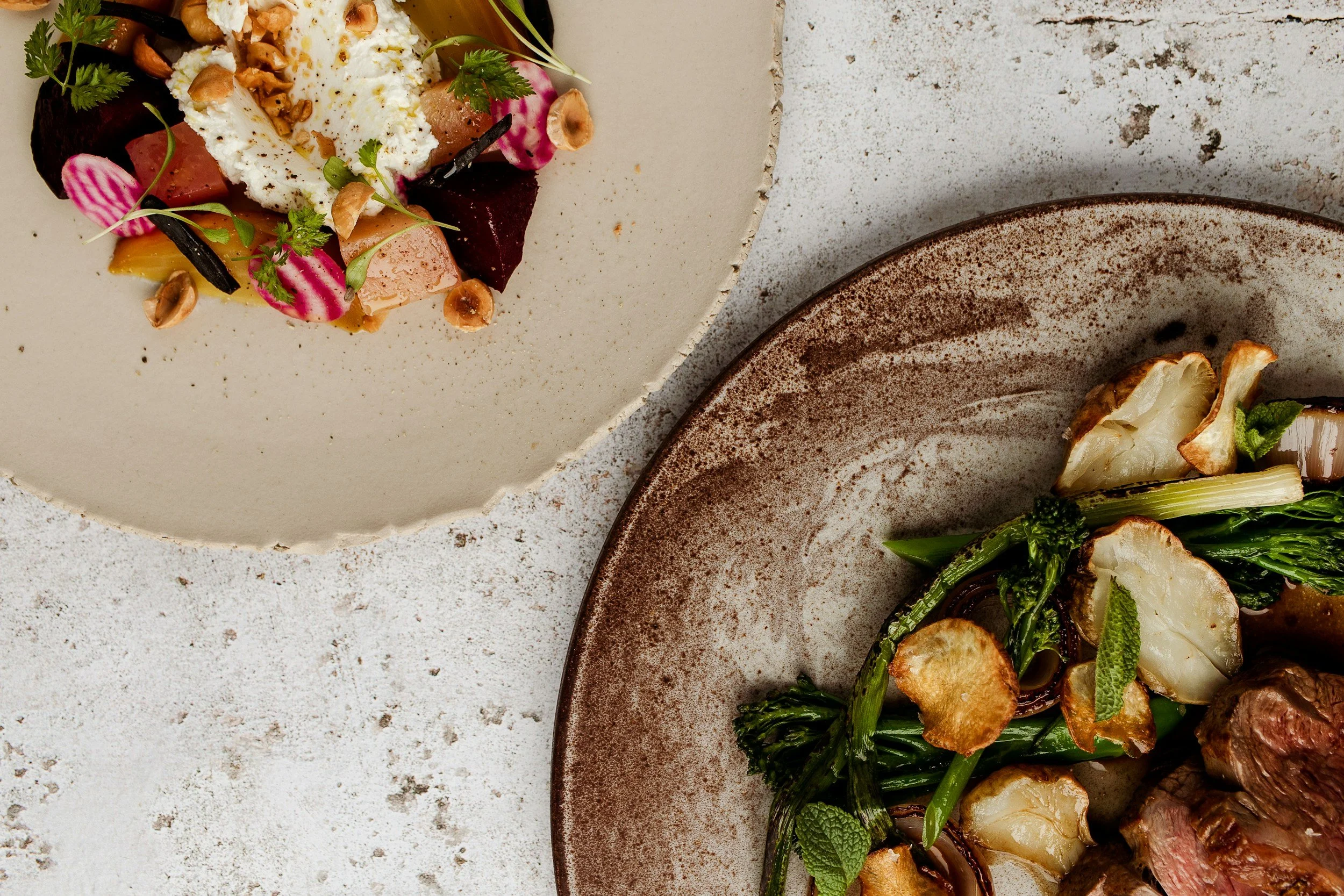
Roasted vegetables
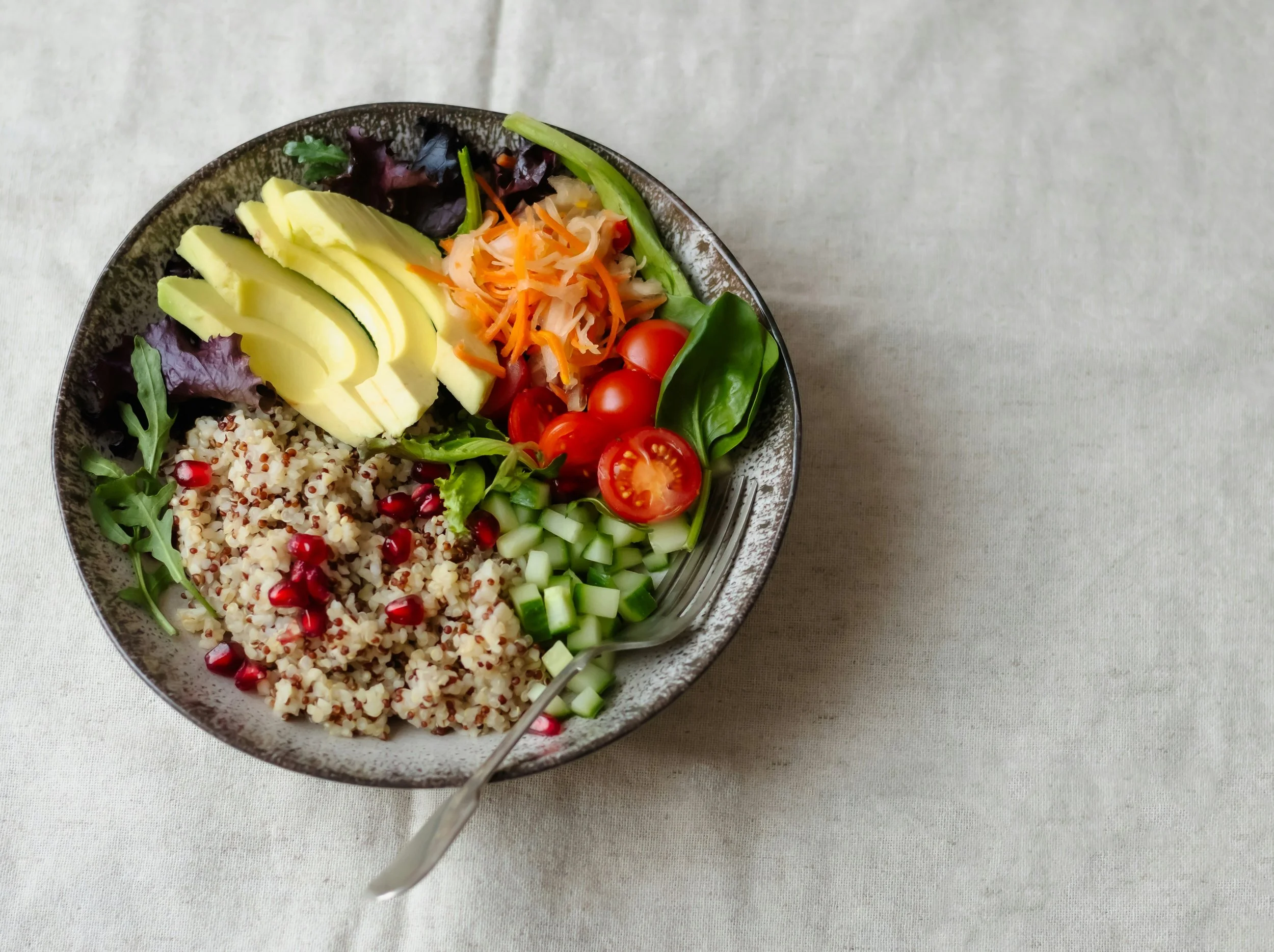
Grain bowls
Plant-based dishes
Homemade sauces
As your palate evolves, so do your cravings.
8. Eat a Variety of Whole Foods
Variety prevents boredom and supports full-spectrum nutrition.
“Eating the rainbow” ensures you get diverse vitamins, minerals, antioxidants, and fiber.
Rotate foods like:
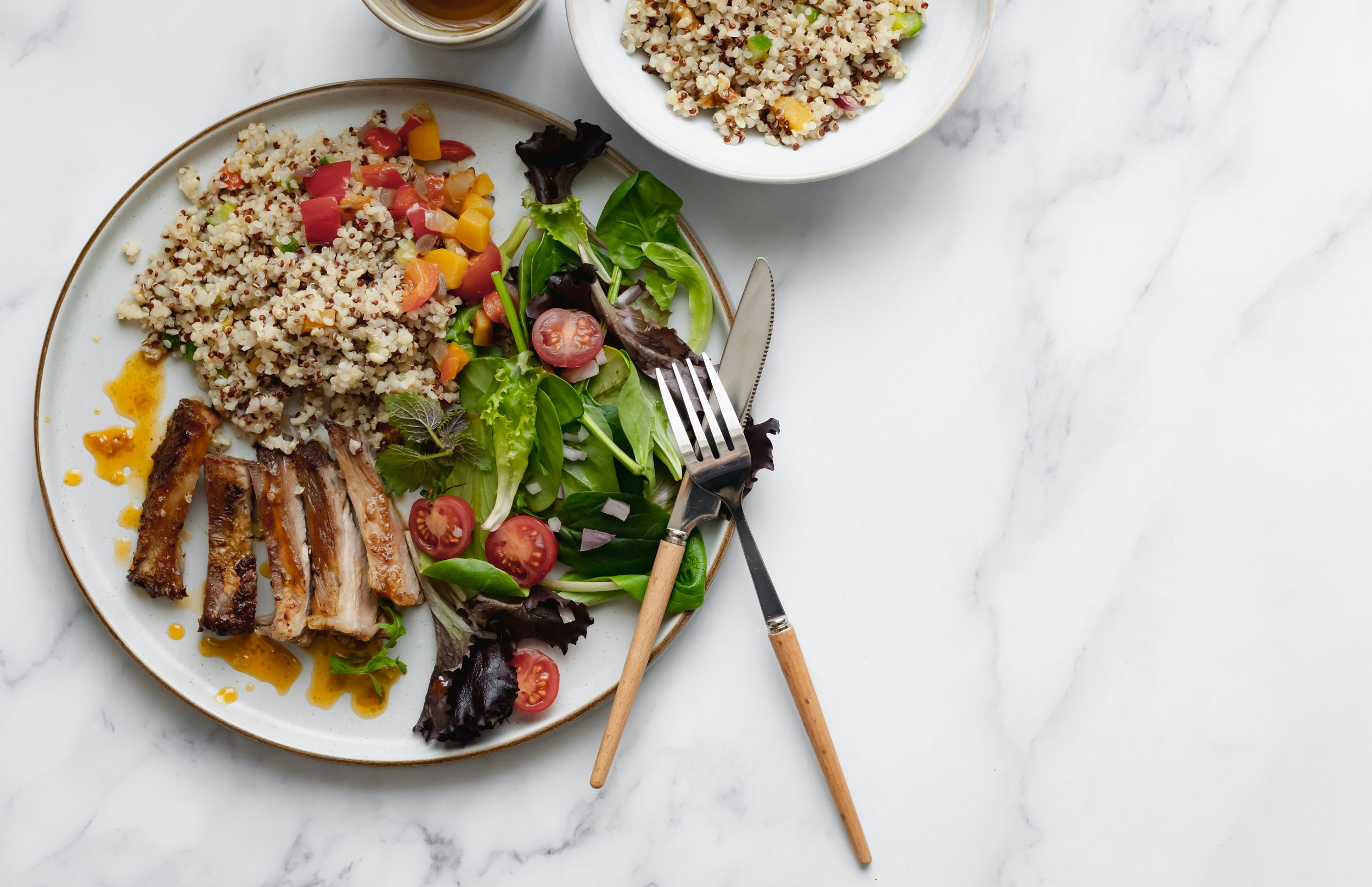
Quinoa, farro, bulgur, wild rice
Lentils, chickpeas, black beans
Leafy greens, cruciferous vegetables
Berries and seasonal fruit
The more diverse your plate, the more satisfied your body feels.
9. Hydrate Consistently
Dehydration is often mistaken for hunger.
When your body lacks water, cravings intensify — especially for sugar and carbs.
Aim to hydrate throughout the day with:
Filtered water
Herbal teas
Coconut water
Mineral water
Proper hydration supports detoxification, metabolism, and appetite regulation.
10. Prioritize Sleep and Movement
Sleep deprivation increases hunger hormones and decreases willpower.
Regular movement improves mood, metabolism, and emotional regulation.
Together, they create a powerful foundation for healthier cravings.
Aim for:
6–8 hours of quality sleep
Daily walking or movement
Strength or flexibility training
When your body feels strong and rested, your brain makes better food decisions naturally.
Cravings aren’t permanent — they’re conditioned.
Every clean meal, every mindful swap, and every nourishing choice sends your brain a new signal.
With time, patience, and consistency, you begin craving foods that support your energy, hormones, and long-term health.
If you’re ready to deepen your clean eating journey, explore additional hormone-supportive wellness resources at MindfulnessWomen.com.