Struggling with Hormones or Fatigue? These 10 Clean Eating Tips Help

When you’re constantly tired, moody, bloated, or just off, there’s a good chance your body is waving a red flag—and food is often the most overlooked piece of the puzzle.

Hormones don’t just shift overnight. They respond to what you feed your body day after day.

That’s why clean eating isn’t a trend—it’s a hormone-balancing, energy-boosting, life-changing lifestyle.

Here are 10 practical clean eating tips that support women over 35 in reclaiming their energy, focus, and hormonal health.

1. Eat Whole Foods Every Day

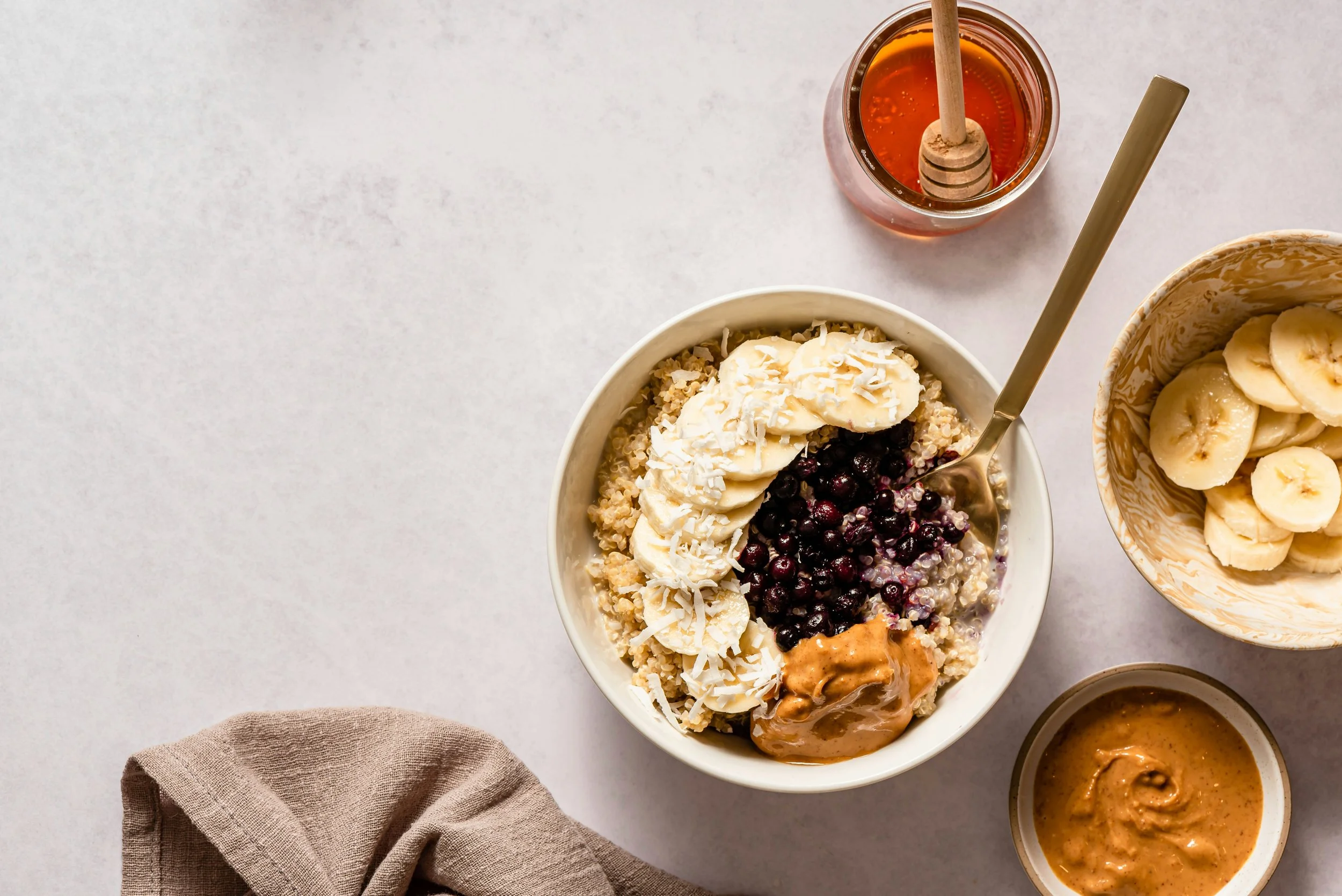
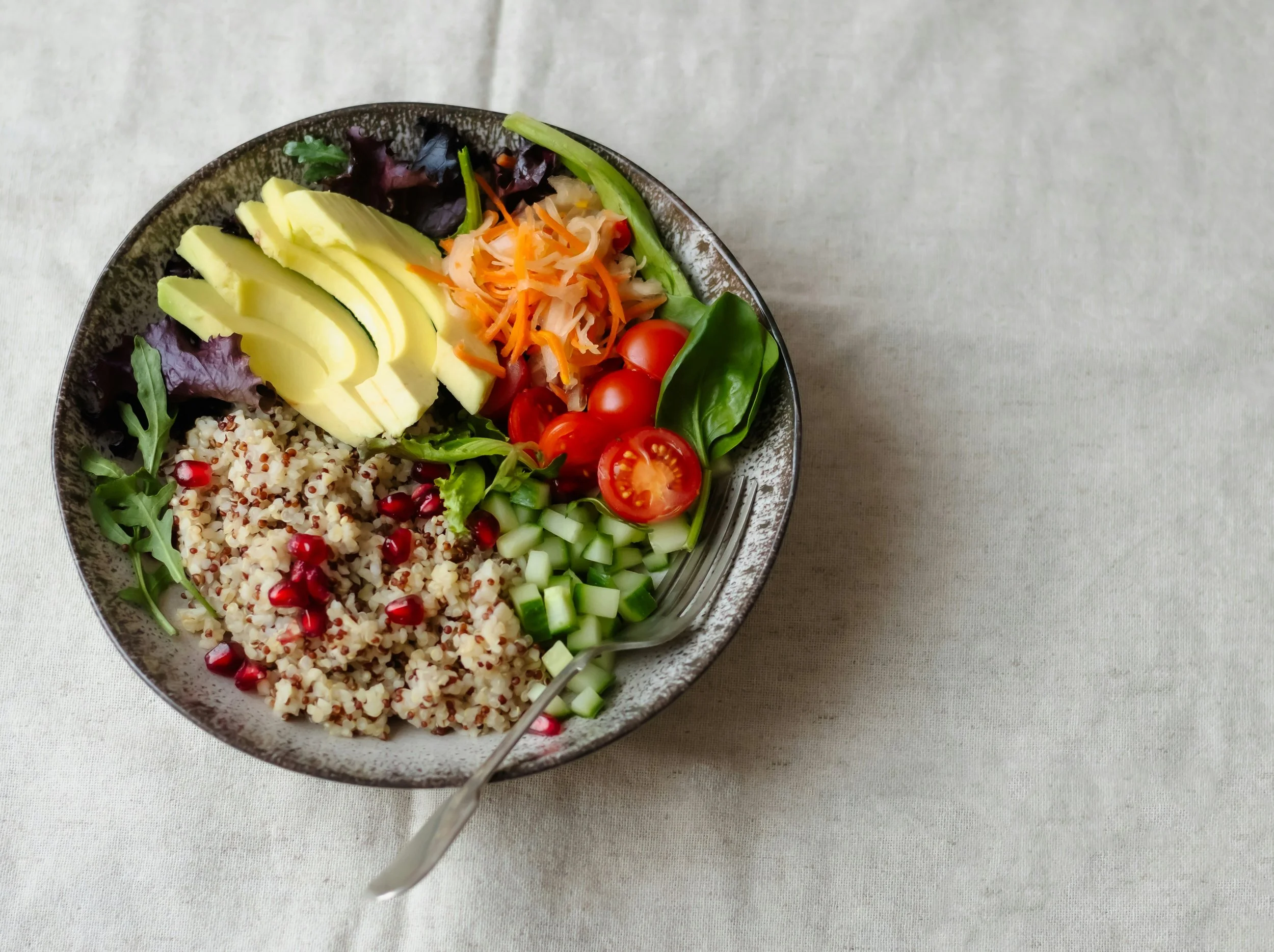
Whole foods (foods in their natural, unprocessed state) are packed with fiber, nutrients, and hormone-balancing properties. Build your meals around leafy greens, lean proteins, legumes, fruits, and whole grains—while avoiding processed snacks, sugar-laden sauces, and refined carbs.

2. Practice Moderation, Not Deprivation

Even healthy foods can backfire when overdone. Instead of restricting, tune into what your body actually needs. Keep a food journal for a few days to spot patterns in energy, digestion, and cravings.

3. Focus on Nutrient Density

Not all calories are created equal. Swap low-nutrient meals (like crackers or sugary protein bars) for foods that fuel your cells: wild salmon, quinoa, spinach, chia seeds, and sweet potatoes are packed with vitamins, minerals, and antioxidants your hormones need.

4. Ditch the Calorie Counting

Healthy eating isn’t about obsessing over numbers. It’s about developing trust with your body. Shift your mindset to nourishment instead of punishment. Listen to hunger cues, honor cravings mindfully, and stop when satisfied—not stuffed.

5. Choose Healthy Fats (Your Hormones Will Thank You)

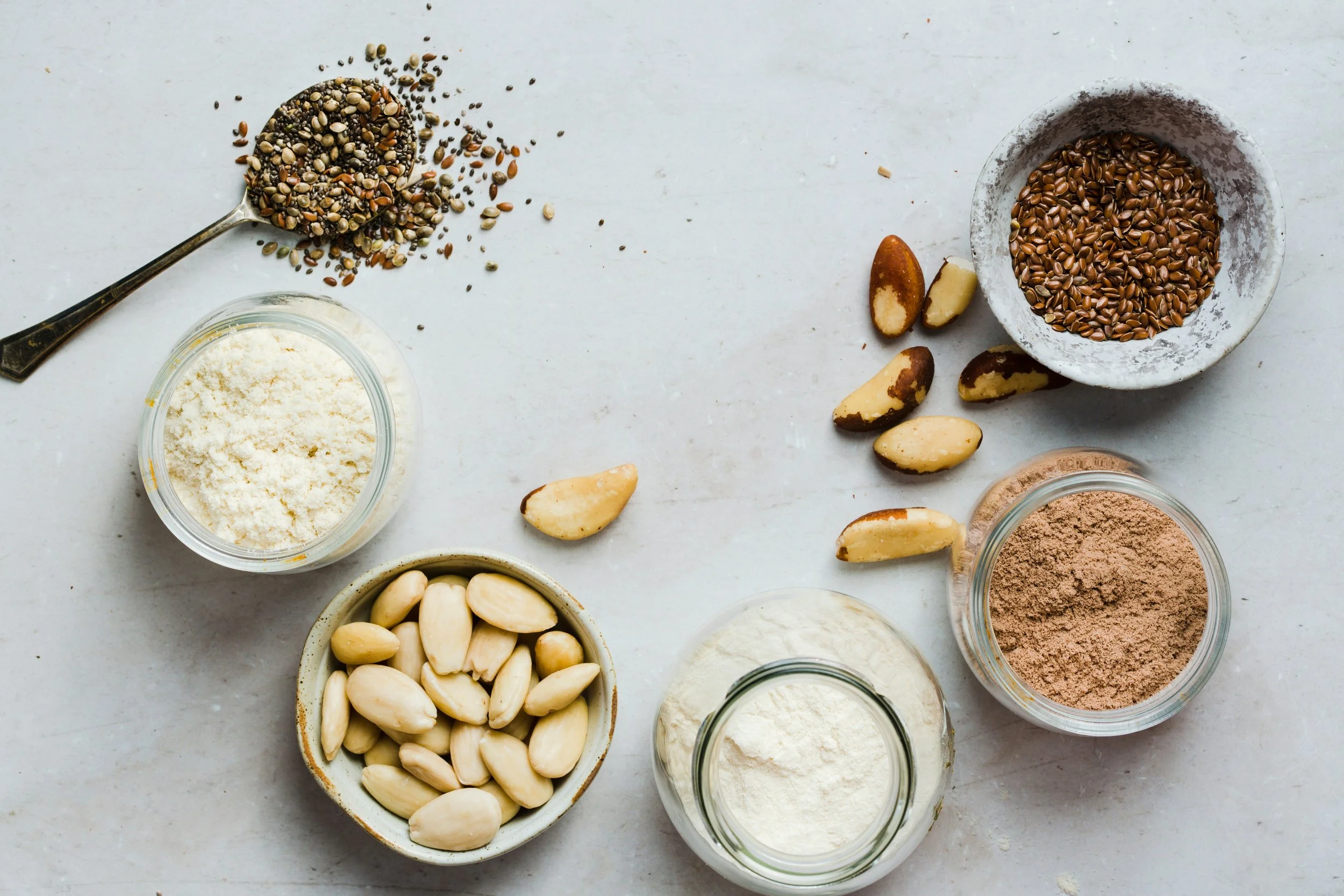
Fats are essential for hormone production, brain health, and energy. Add avocado, extra virgin olive oil, hemp seeds, and almonds to your daily meals. Say goodbye to fear around fat—it’s your friend.

6. Stop Dieting. Start Living.

Fad diets often lead to burnout and bingeing. Instead of following temporary rules, commit to a clean eating lifestyle. It’s not about perfection—it’s about progress and consistency.

7. Start Your Meals Smart

Begin with high-volume, low-calorie foods like leafy greens, broth-based soups, or sliced fruit. You’ll naturally eat less of the heavier stuff—and feel satisfied without overeating.

8. Eat from All 5 Major Food Groups

Balance is key for hormone and metabolic health. Aim to include:

  • Vegetables (leafy, cruciferous, colorful)

  • Fruits (berries, citrus, apples)

  • Whole grains (quinoa, oats, brown rice)

  • Lean proteins (beans, tofu, eggs, fish)

  • Dairy or dairy alternatives (unsweetened options preferred)

This variety ensures your body gets all the macros and micros it needs to function at its best.

9. Eat Mindfully, Not Mindlessly

When you slow down, you eat less and enjoy more. Put away distractions. Breathe between bites. Notice flavors, textures, and how your body feels. Mindful eating reconnects you to your body’s natural rhythms.

10. Actually Enjoy Your Food

Clean eating isn’t boring or bland—it’s vibrant, colorful, and full of flavor. When you learn to nourish yourself with intention, your relationship with food transforms. You feel better, think clearer, sleep deeper, and glow from the inside out.

If you’ve been struggling with hormonal imbalance, stubborn weight, or chronic fatigue—your food might be the missing piece.

Clean eating isn’t a quick fix. It’s a return to the way your body was designed to thrive.

Want help putting this into practice? Download free hormone-balancing clean eating guides at MindfulnessWomen.com

Stressed or Anxious? Try These 15 Mindful Daily Practices

Stress can sneak up on you. One minute you're fine, and the next, your heart is racing, you're overwhelmed, and everything feels like too much.

But the truth is, stress doesn’t have to control your day—or your hormones.

These 15 calming, mindful practices are simple, powerful ways to restore your peace, balance your mood, and feel like yourself again.

Whether you’re dealing with fatigue, brain fog, irritability, or just need a reset, these tools are for you.

1. Use Visualization to Calm Your Mind

Close your eyes and picture the version of you who already feels calm, successful, and aligned.
See her clearly. Where is she? What’s around her?
Visualization rewires your brain to believe it's possible—and your actions start to follow.

2. Try Acupuncture

This ancient practice works by rebalancing your body’s energy system.
It’s deeply relaxing and a powerful way to release stuck emotions, tension, and stress from the body.

3. Explore Reflexology

Your feet hold pressure points connected to every area of your body.
A simple foot massage or reflexology session can restore energy flow and leave you feeling refreshed and grounded.

4. Create a Soulful Sleep Routine

Sleep isn’t a luxury—it’s a hormone-healing necessity.
Unplug an hour before bed, dim the lights, read something calming, and go to bed/wake up at the same time every day.
Consistency resets your nervous system.

5. Do Something New

Try a new activity, go to a new place, or take a different route.
Breaking routines sparks joy, builds confidence, and invites fresh energy into your life.

6. Repeat What Feels Good

Notice what brings you peace—and do more of it.
Whether it’s journaling, a nature walk, or soft music at night, create more moments that feel like you.

7. Prioritize Fun

Joy is medicine.
If your days feel too serious, it’s time to intentionally add in more laughter, play, and moments of lightness.
Fun is essential to emotional wellness.

8. Take Up a New Hobby

A hobby grounds you in the present and gives you something to look forward to.
Try painting, dancing, gardening, or anything that makes time disappear.
You don’t have to be good at it—you just have to enjoy it.

9. Practice Progressive Muscle Relaxation

Find a quiet space. Inhale and tense a muscle group (like your toes). Exhale and release.
Move from your feet to your head.
This helps release physical tension and calms the nervous system.

10. Smile, Even If You Don’t Feel Like It

Smiling sends a signal to your brain that you're safe—and actually triggers feel-good chemicals.
It's a small, powerful reset you can use anywhere.

11. Cut Back on Stimulants

Too much sugar and caffeine can keep your adrenals in overdrive, making you feel wired and exhausted.
Start replacing them with nutrient-rich snacks and calming herbal teas.

12. Sip Green Tea

Green tea is loaded with antioxidants and a unique compound (L-theanine) that promotes calm focus.
It’s a gentle alternative to coffee and has been shown to reduce stress over time.

13. Support Your Body with Supplements

Some natural supplements may help with anxiety, sleep, and hormonal balance:

  • Magnesium – muscle and nerve relaxant

  • B-complex vitamins – mood and energy support

  • Valerian root – calming and anti-anxiety

  • Melatonin – supports restful sleep

Talk to a practitioner before adding any new supplements.

14. Practice Flexibility

Sometimes stress comes from trying to control too much.
When things don’t go as planned, take a breath.
Can you let it go and trust the bigger picture?
Adaptability is a superpower.

15. Manage Your Time Like a Queen

Time stress is real. But with a few tweaks, you can take back control:

  • Use a weekly planner

  • Leave 10 minutes earlier

  • Make lists and cross things off

  • Delegate what you can

  • Set clear boundaries and learn to say no

Your stress doesn’t define you.
You have the power to slow down, tune in, and support your body and mind in a more intentional way.

Start with just one or two of these practices this week—and watch your energy shift.

Want more tools like this?
Explore free mindfulness resources created just for women 35+ at MindfulnessWomen.com

13 Natural Stress Relief Tips That Actually Work

Modern life moves fast.

Between work demands, hormonal shifts, emotional responsibilities, and the pressure to keep everything together, stress can quietly become your baseline.

You may feel it as fatigue… irritability… brain fog… trouble sleeping… or a constant sense of overwhelm you can’t quite explain.

The good news is that stress relief doesn’t require drastic changes or complicated routines.

Often, the most powerful shifts are the most natural ones.

Here are 13 simple, proven ways to calm your nervous system and bring your body back into balance.

1. Breathe with Intention

Your breath is one of the fastest ways to signal safety to your body.

Slow, deep breathing lowers cortisol, reduces heart rate, and quiets mental chatter.

Try this:

Inhale slowly through your nose.
Pause.
Exhale fully through your mouth.

Repeat for one minute and notice how your body responds.

2. Create Space for Yourself

Many women carry stress because they never pause long enough to release it.

Schedule intentional time just for you — even if it’s 15 minutes.

This could look like:

• Sitting in silence
• Journaling
• Taking a walk
• Enjoying tea without distractions

Rest is not a luxury. It’s regulation for your nervous system.

3. Eat in a Way That Supports Calm

What you eat affects how you feel — emotionally and hormonally.

A clean, whole-food diet rich in leafy greens, vegetables, healthy fats, and lean protein helps stabilize blood sugar and reduce internal stress signals.

When your body is nourished, it’s more resilient to external pressure.

4. Move Your Body to Release Tension

Stress gets stored physically — in your shoulders, jaw, hips, and nervous system.

Gentle, consistent movement helps release it.

Try:

• Walking outdoors
• Stretching
• Pilates
• Strength training
• Yoga

Movement improves circulation, boosts endorphins, and supports emotional balance.

5. Establish a Meditation Practice

Meditation creates mental space between you and your stress.

Even five minutes per day can lower cortisol levels, improve focus, and create emotional steadiness.

It doesn’t need to be perfect — just consistent.

6. Practice Present-Moment Awareness

Mindfulness is simply being fully present in what you’re doing.

Instead of rushing through your day on autopilot, slow down and engage your senses.

Notice:

• The taste of your food
• The warmth of water on your hands
• The sound of your breath

Presence interrupts stress patterns.

7. Anchor Yourself in Gratitude

Gratitude shifts your nervous system from survival mode to safety mode.

Each day, write down three things you’re grateful for.

They don’t have to be big.

Consistency is what rewires your emotional baseline.

8. Choose Supportive Thoughts

Your thoughts shape your stress levels.

When you catch yourself spiraling, pause and ask:

Is this thought helping me or hurting me?

Then gently redirect your focus to something more grounding and empowering.

9. Rewrite Limiting Beliefs

Many stress patterns stem from internal narratives like:

“I have to do everything.”
“I can’t slow down.”
“I’m not enough.”

Begin replacing them with supportive beliefs:

“I am allowed to rest.”
“I am supported.”
“I am doing my best.”

Your nervous system responds to the story you tell it.

10. Release the Need to Control Everything

Control creates tension.

Peace comes from learning what to hold — and what to release.

Not everything requires your force or worry.

Sometimes the most healing thing you can do is loosen your grip and trust the unfolding.

11. Use Yoga as Emotional Release

Yoga blends breath, movement, and presence — making it powerful for stress reduction.

It softens the body while calming the mind.

Even a short daily practice can help regulate hormones and release stored tension.

12. Spend Time in Nature

Nature has a grounding effect on the nervous system.

Fresh air, sunlight, greenery, and open space naturally reduce anxiety and mental fatigue.

A simple daily walk outside can reset your entire mood.

13. Practice Deep Relaxation

True relaxation is intentional.

Try incorporating:

• Warm Epsom salt baths
• Legs-up-the-wall before bed
• Progressive muscle relaxation
• Quiet rest without screens

When your body relaxes deeply, healing processes activate.

Stress may be common — but it’s not meant to be your normal.

With small, consistent practices, you can feel calmer, clearer, and more grounded in your daily life.

You don’t need a vacation to feel peace.
You need supportive rituals that meet you where you are.

If you’re looking for more tools to reduce stress, balance hormones, and support your wellbeing, explore additional resources designed for women 35+ at MindfulnessWomen.com.

3 Simple Ways to Improve Your Physical Wellness (Without Overwhelm)

Improving your physical wellness doesn’t require a complete life overhaul.

In fact, the most sustainable health transformations happen through small, consistent shifts—not extreme routines.

If you’ve been feeling tired, disconnected from your body, or ready to feel stronger and more energized again, these three foundational practices will help you rebuild your physical wellness in a way that feels doable and supportive.

1. Nourish Your Body with Clean, Whole Foods

What you eat directly impacts how you feel—physically, mentally, and emotionally.

Whole, nutrient-dense foods provide your body with the vitamins, minerals, and energy it needs to function properly throughout the day. When your meals are built around real food, you naturally experience:

  • More stable energy

  • Fewer cravings

  • Better digestion

  • Improved mood

  • Hormone support

Focus on incorporating:

  • Leafy greens and colorful vegetables

  • Lean proteins and plant-based proteins

  • Healthy fats like avocado, olive oil, and nuts

  • Whole grains and fiber-rich foods

Think of food as nourishment—not punishment. When you fuel your body well, everything else becomes easier.

2. Move Your Body in Ways That Feel Good

Physical activity is essential—but it doesn’t have to feel intense or intimidating.

The goal is consistency, not perfection.

If you’re rebuilding your wellness routine, start simple and build gradually. Small daily movement supports circulation, hormone balance, metabolism, and stress reduction.

Easy ways to increase daily activity:

  • Take the stairs when possible

  • Park farther away to add extra steps

  • Go for a 20–30 minute walk

  • Stretch throughout the day

  • Stay hydrated to support muscle function

  • Choose healthier snacks to fuel movement

Movement should feel like self-care—not punishment.

3. Focus on Consistency, Not Perfection

The hardest part of any wellness journey isn’t starting—it’s staying committed.

Life gets busy. Stress happens. Old habits resurface. But progress isn’t about being perfect—it’s about staying mindful and returning to your goals when you drift.

To stay consistent:

  • Track your progress weekly

  • Celebrate small wins

  • Set realistic milestones

  • Reward yourself for healthy choices

  • Practice self-compassion when you slip

The more you acknowledge your effort, the more motivated you’ll feel to continue.

And once you start noticing increased energy, strength, and confidence—it becomes easier to stay committed.

Physical wellness isn’t about extremes—it’s about alignment.

When you nourish your body, move intentionally, and stay consistent, you build a foundation for long-term health, energy, and vitality.

Start small. Stay steady. Trust the process.

If you’re looking for more clean eating and mindful wellness tools designed specifically for women 35+, explore additional resources at MindfulnessWomen.com.

10 Ways to Retrain Your Brain to Crave Clean Foods

If you’ve ever felt like your body craves sugar, processed foods, or late-night snacks on autopilot — you’re not imagining it.

Cravings are not just about willpower. They’re neurological, hormonal, and emotional.

The foods you eat most often literally train your brain to want more of them.

The empowering part?

You can retrain your brain the same way — through consistent, mindful shifts.

Here are 10 powerful ways to start craving clean, nourishing foods naturally.

1. Start with Simple Swaps

You don’t need to overhaul your entire diet overnight.

Begin by replacing one or two foods at a time:

  • Swap French fries for baked sweet potato fries

  • Replace white bread with sprouted or whole-grain options

  • Choose kale chips instead of potato chips

  • Use quinoa or oats instead of refined grains

Making small swaps every 7–10 days allows your brain and taste buds to adapt gradually — without feeling deprived.

2. Understand the Addictive Nature of Sugar

Sugar is engineered to keep you hooked.

It’s added to processed foods, sauces, frozen meals, and even “healthy” snacks — often in hidden forms.

Excess sugar spikes blood sugar, disrupts hormones, and fuels ongoing cravings.

Reducing processed foods, restaurant meals, and packaged snacks naturally lowers your sugar intake — and retrains your palate over time.

3. Address Emotional Eating Triggers

Research shows that a large percentage of unhealthy eating is emotionally driven — not hunger-based.

Stress, fatigue, anxiety, and overwhelm often trigger cravings for comfort foods.

Support your nervous system through:

  • Quality sleep

  • Meditation

  • Yoga

  • Therapy or journaling

  • Physical activity

When stress decreases, emotional cravings lose their power.

4. Remove Temptation from Your Environment

Your environment shapes your habits.

If ultra-processed snacks are within reach, your brain will default to them — especially when tired or stressed.

Do a kitchen reset:

  • Clear out junk food

  • Replace soda with water or herbal tea

  • Stock fruits, vegetables, nuts, and clean snacks

When healthy foods are visible and accessible, your choices naturally improve.

5. Pay Attention to How Food Makes You Feel

Awareness builds motivation.

Try this simple experiment:

Eat heavily processed foods for a few days and journal how you feel — energy, mood, digestion, focus.

Then eat whole, clean foods for a week and track the same markers.

Most women notice:

  • Better energy

  • Less bloating

  • Improved mood

  • Clearer thinking

When your body feels the difference, your brain starts choosing differently.

6. Surround Yourself with Healthy Options

Convenience drives behavior.

Keep nourishing foods easily available:

  • Fresh fruit

  • Pre-cut vegetables

  • Smoothie ingredients

  • Nuts and seeds

  • Clean protein snacks

When healthy food is the easiest option, it becomes the default option.

7. Expand Your Taste Profile

Many people believe they “don’t like healthy food” — but often they just haven’t explored enough variety.

Experiment with new recipes, spices, and preparation styles.

Try:

  • Roasted vegetables

  • Grain bowls

  • Plant-based dishes

  • Homemade sauces

As your palate evolves, so do your cravings.

8. Eat a Variety of Whole Foods

Variety prevents boredom and supports full-spectrum nutrition.

“Eating the rainbow” ensures you get diverse vitamins, minerals, antioxidants, and fiber.

Rotate foods like:

  • Quinoa, farro, bulgur, wild rice

  • Lentils, chickpeas, black beans

  • Leafy greens, cruciferous vegetables

  • Berries and seasonal fruit

The more diverse your plate, the more satisfied your body feels.

9. Hydrate Consistently

Dehydration is often mistaken for hunger.

When your body lacks water, cravings intensify — especially for sugar and carbs.

Aim to hydrate throughout the day with:

  • Filtered water

  • Herbal teas

  • Coconut water

  • Mineral water

Proper hydration supports detoxification, metabolism, and appetite regulation.

10. Prioritize Sleep and Movement

Sleep deprivation increases hunger hormones and decreases willpower.

Regular movement improves mood, metabolism, and emotional regulation.

Together, they create a powerful foundation for healthier cravings.

Aim for:

  • 6–8 hours of quality sleep

  • Daily walking or movement

  • Strength or flexibility training

When your body feels strong and rested, your brain makes better food decisions naturally.

Cravings aren’t permanent — they’re conditioned.

Every clean meal, every mindful swap, and every nourishing choice sends your brain a new signal.

With time, patience, and consistency, you begin craving foods that support your energy, hormones, and long-term health.

If you’re ready to deepen your clean eating journey, explore additional hormone-supportive wellness resources at MindfulnessWomen.com.