4 Mindful Ways to Break the Cycle of Emotional and Mindless Eating

Emotional eating and mindless eating often aren’t about food—they’re about stress, restriction, habits, and unmet needs. The good news is: you can break the cycle without obsessing over perfection.

1) Don’t Over-Restrict Yourself

Binge eating often starts with restriction. When you label foods as “bad” and go without them for too long, cravings build until they explode into overeating.

Instead of extreme rules, aim for balance:

  • Enjoy treats in small portions on purpose

  • Stop thinking “I blew it” and start thinking “I’m learning what works”

2) Soothe Stress Before You Snack

Many women binge when stress feels unmanageable—especially when the nervous system is overwhelmed.

Try a quick “stress reset” first:

  • Write down what’s weighing on you (even 60 seconds helps)

  • Move your body (walk, stretch, quick workout)

  • Call or text someone safe

  • Do 10 deep breaths before you decide to eat

The goal is to meet the emotion—not numb it.

3) Skip “Cheat Days” and Choose Intentional Treats

Cheat days can trigger an all-or-nothing mindset: “I’m cheating today, so I might as well go all in.”

A mindful shift:

  • Swap cheat days for planned treats a few times a week

  • Keep your routine consistent

  • Enjoy your treat slowly, without guilt, and move on

This reduces the “restriction → binge” loop.

4) Don’t Reward Progress With Food

It’s easy to celebrate weight loss or discipline with the very habits you’re trying to change—then feel frustrated afterward.

Try rewards that reinforce your identity instead:

  • New workout set, skincare, book, or hobby item

  • Massage, sauna, or self-care day

  • A date night, museum, or fun experience

  • Upgrading something that supports your goals (water bottle, meal prep tools)

Mindful rule: celebrate in ways that don’t create a setback.
Why Fad Diets Don’t Work: 4 Reasons to Ditch Them for Good

Fad diets promise quick results—but they usually backfire. They don’t teach sustainable habits, and they often leave you feeling more tired, more restricted, and more frustrated than when you started. Here are four reasons it’s time to let them go for good:

1) Your Metabolism Adapts to Restriction

When you drastically cut calories, your body reads it as a threat. It responds by conserving energy—meaning your metabolism can slow down and your body becomes more protective of its fuel (including stored fat).

That’s why extreme restriction often leads to:

  • lower energy

  • stronger cravings

  • weight loss that stalls quickly

  • weight that returns when you go back to normal eating

2) Most “Quick Weight Loss” Is Water Weight

Many women do a crash diet for a week and feel excited when the scale drops fast. But a big chunk of that early drop is usually water weight, not fat loss.

When your carb intake drops suddenly, your body releases stored glycogen—and glycogen holds water. The number changes quickly, but it doesn’t always reflect true progress.

3) You Can Lose Muscle (Not Just Fat)

Fad diets can cause the scale to go down while your body composition gets worse. If you’re not eating enough protein—or you’re under-eating for too long—your body may break down muscle for energy.

That matters because muscle:

  • supports metabolism

  • helps you look toned

  • stabilizes blood sugar

  • makes long-term fat loss easier

Losing muscle makes it harder to maintain results.

4) You End Up Nutrient-Deprived

The goal isn’t just to be lighter—it’s to be healthier, stronger, and more energized. Many fad diets don’t provide enough calories or nutrients to support your body’s basic needs.

When you consistently under-eat, you can end up low on essentials that impact:

  • mood and mental clarity

  • hormones

  • sleep quality

  • hair/skin health

  • energy and workouts

The Better Alternative

Instead of “dieting,” aim for a lifestyle you can actually live with:

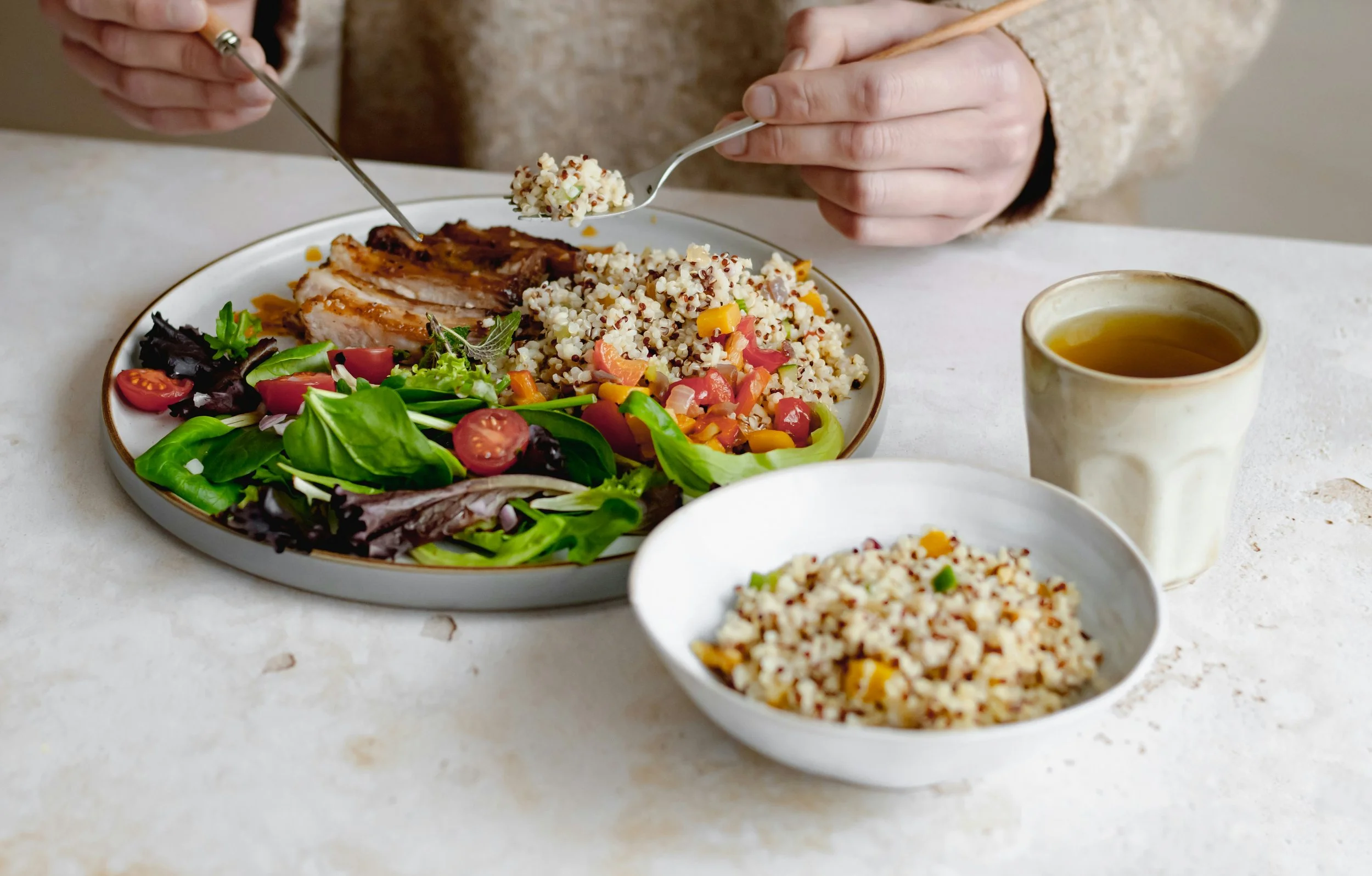
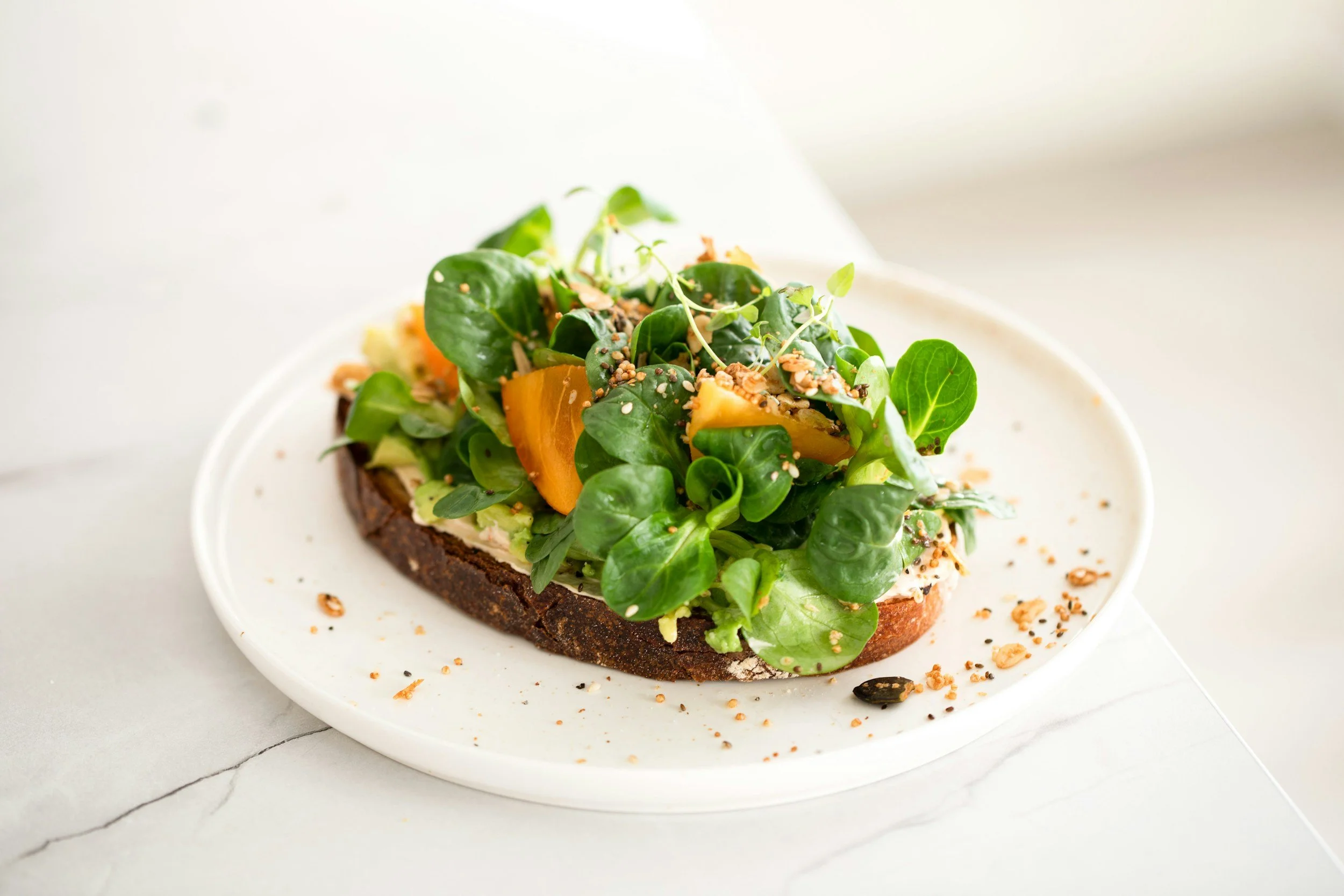
  • balanced meals with protein, fiber, and healthy fats

  • steady movement you enjoy

  • mindful eating (so you’re not battling cravings all day)

  • consistency over intensity

What Is Mindfulness—and How It Can Transform the Way You Eat

Eating is something we all do every day—but how you eat matters just as much as what you eat. When you choose foods that truly nourish you, you don’t just feel better physically. You also feel clearer, more balanced, and more in control mentally.

That’s where mindfulness comes in.

What is mindfulness?

Mindfulness is simply awareness. It’s the practice of paying attention to what you’re doing, what you’re feeling, and what’s happening around you—without rushing, zoning out, or judging yourself.

When you’re mindful, you stop living on autopilot. You become more intentional with your choices—at work, in your relationships, and especially with food.

At first, being more mindful about eating may feel unfamiliar. But with practice, it becomes easier—and the payoff is huge.

How can you practice mindfulness when you eat?

Mindful eating has a few simple parts:

1) Be aware of what you’re putting in your body
Mindfulness starts with noticing. Before you eat, pause and ask:

  • Is this food nourishing me—or just filling space?

  • Will I feel better after eating this—or worse?

This helps you naturally reduce foods that are high in sugar, highly processed, or packed with “empty calories.”

2) Pay attention to portions
Even healthy foods can work against you when portions are out of balance.

Whole grains like brown rice are great—just be mindful of how much you’re eating. Fruits like bananas and figs have real nutrients, but they’re still best enjoyed in reasonable portions, especially if you’re working on stable energy, mood, and cravings.

3) Slow down and stay present
The more present you are, the more you notice:

  • when you’re truly hungry

  • when you’re satisfied

  • when you’re eating out of stress, boredom, or habit

That awareness alone can transform your relationship with food.

How mindful eating can help you

When you become mindful of what you eat, when you eat, and how much you eat, you start to feel more in control—without feeling restricted.

You may notice:

  • steadier energy throughout the day

  • fewer cravings and less emotional eating

  • better digestion

  • more confidence in your choices

  • a healthier relationship with food overall

And the best part? You’ll start waking up feeling better—and feeling proud of how you’re caring for yourself.

6 Smart Ways to Resist Junk Food Cravings Without Feeling Deprived

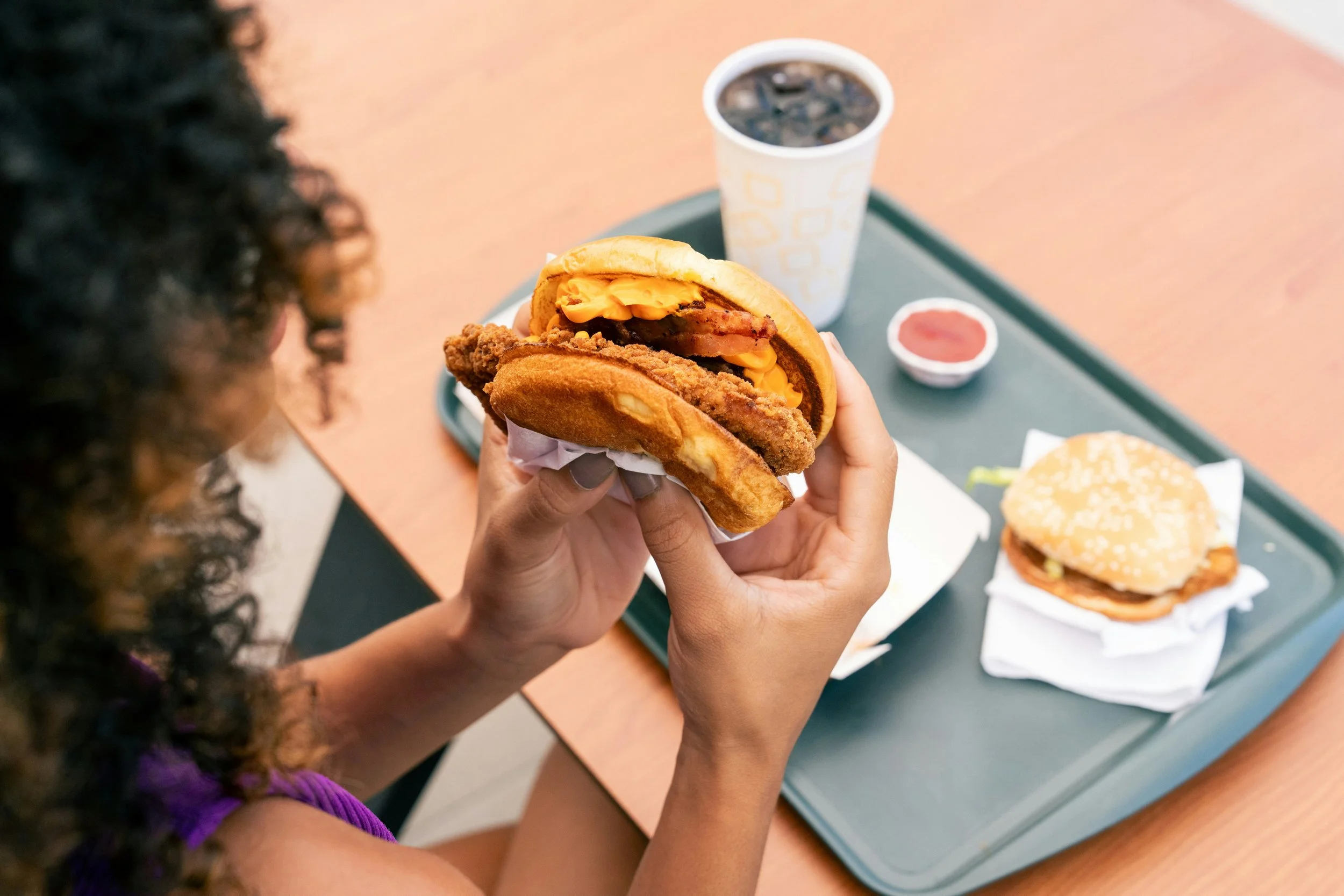
For a lot of women, junk food cravings aren’t random—they’re triggered. A commercial pops up, you drive past your favorite spot, you’re tired after a long day, or your friends order something that smells amazing. The good news? You can reduce cravings (not just “fight” them) without feeling like you’re punishing yourself.

Here are six realistic ways to stay in control.

1) Don’t bring it home

If it’s in your pantry, you’re going to think about it more. The simplest way to reduce temptation is to stop buying it.

A tip that makes this easier: eat a real meal before grocery shopping. When you shop hungry, you’re more likely to grab snacks you don’t even want later.

2) Ask your friends to support your goal

If you regularly eat out with friends, tell them what you’re doing. You don’t need a big speech—just a simple, “I’m trying to eat cleaner right now—help me stay on track.”

Most people don’t realize how much influence they have until you say it out loud.

3) Eat less junk food to crave it less

Cravings get stronger the more you feed them. The first stage can feel hard, but as you eat less junk food, your taste buds and cravings start to change.

The goal isn’t perfection—it’s reducing how often you reach for it so your body stops expecting it.

4) Learn what’s really in it

A lot of junk food is designed to be addictive—packed with ingredients that keep you wanting more.

If you want a strong mindset shift, take a few minutes to research what’s inside your favorite fast foods and packaged snacks. Once you see how processed it is, it becomes easier to say, “That’s not worth it.”

5) Swap, don’t suffer

Avoiding junk doesn’t mean you can’t enjoy anything.

  • Meeting friends for coffee? Try green tea, an unsweetened latte, or a lighter option.

  • Eating out? Choose a lighter version of what you usually order, or build a meal around protein + veggies + a balanced side.

You’re not “missing out”—you’re upgrading your choices.

6) Allow small treats on purpose

Total restriction often backfires. If you tell yourself you “can’t” have something, the craving can get louder.

Instead, allow small portions intentionally. A little treat can keep you from feeling deprived and help you stay consistent long-term.

Bottom line: cravings don’t mean you’re weak—they mean your brain and body have learned a pattern. And patterns can be changed.