Mindless eating is exactly what it sounds like: you’re eating, but not because you’re physically hungry.
It’s incredibly common—and that’s part of the problem. Many women don’t even realize they’re doing it because the behavior is automatic. You may know what you’re eating, but you haven’t paused to ask the one question that changes everything:
“Am I actually hungry?”
Why mindless eating becomes a problem
When eating is disconnected from hunger, it’s easy to overeat without noticing. Over time, that can mean consistently eating more than your body needs (based on your height, weight, activity level, and goals), which often leads to unwanted weight gain.
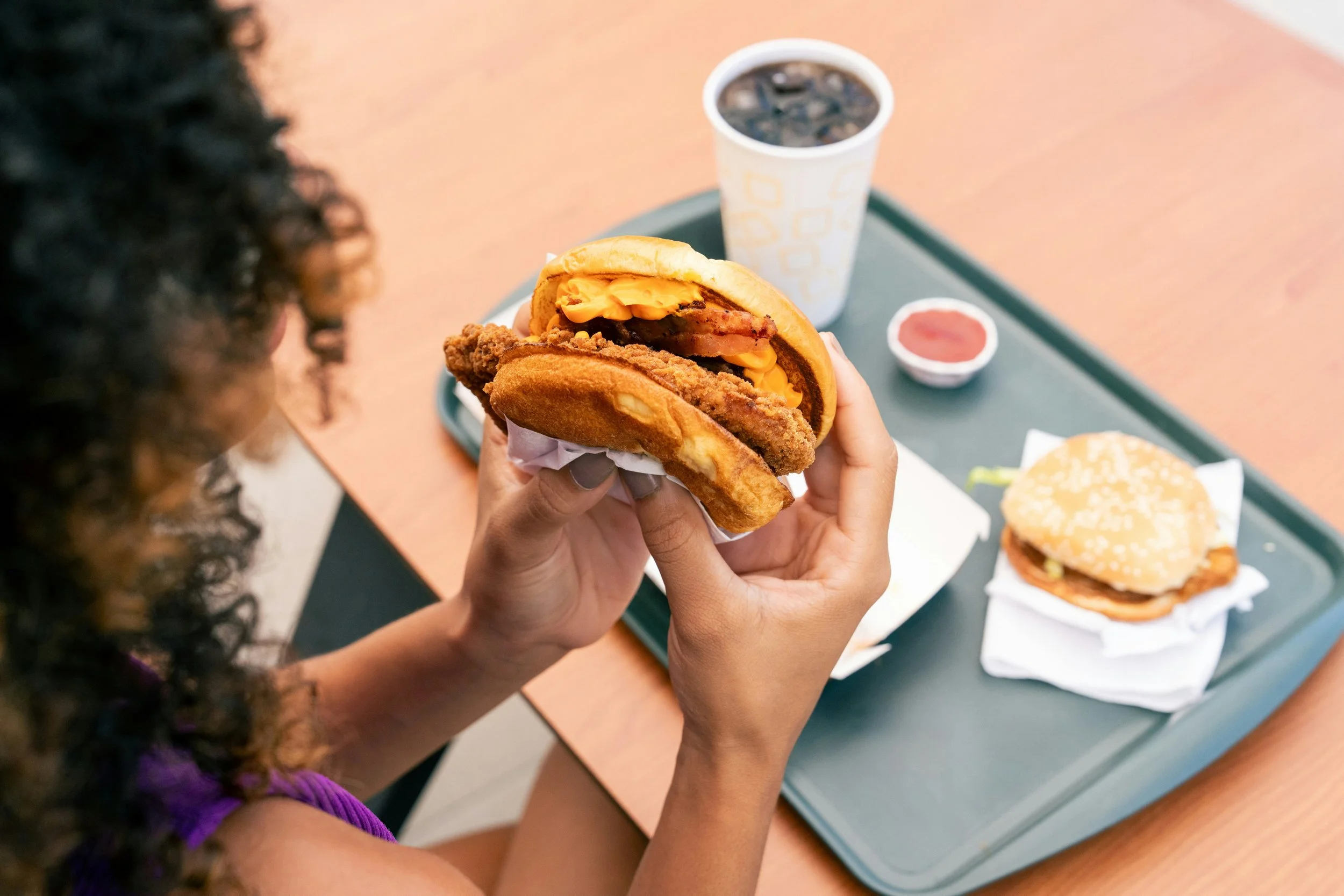
And because it’s mindless, it usually isn’t happening with a bowl of fruit. Most mindless eating shows up as high-calorie, highly processed snacks—the kind that spike cravings and leave you wanting more.
What causes mindless eating?
Mindless eating is rarely about hunger. It’s more often triggered by things like:
Stress
Emotions (anxiety, sadness, frustration, overwhelm)
Boredom
Habit (“I always snack at this time”)
Environment (TV, phone scrolling, food within reach)
At the end of the day, the only real reason to eat is: your body is hungry.
How to break the habit (for real)
The simplest and most powerful habit shift is this:
Before you eat anything, pause and ask:
“Am I hungry—or am I looking for comfort, relief, or distraction?”
That one question creates awareness. And awareness is what breaks autopilot.
It won’t feel natural at first, but with repetition, it becomes your new normal—and that’s when mindless eating starts to lose its grip for good.