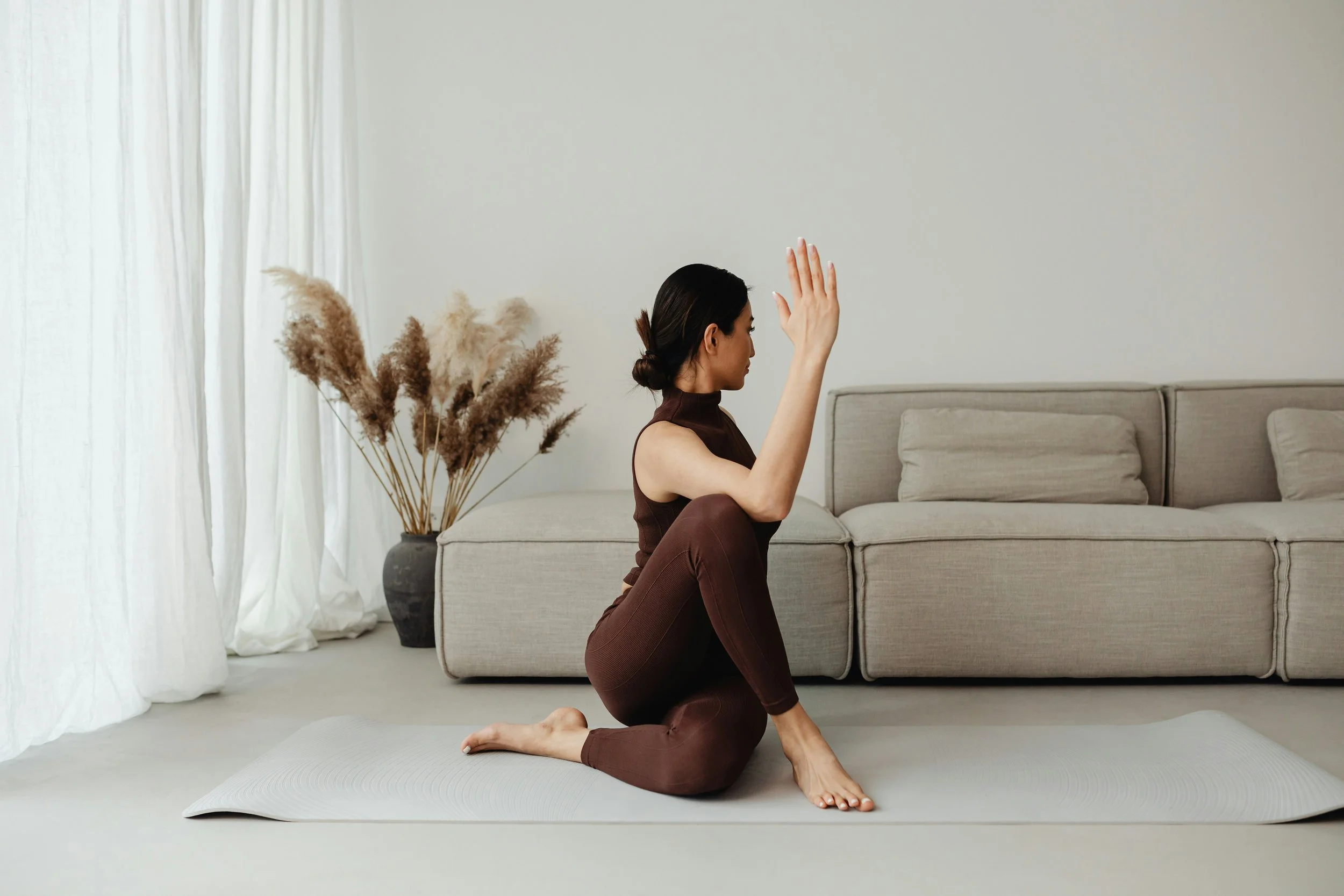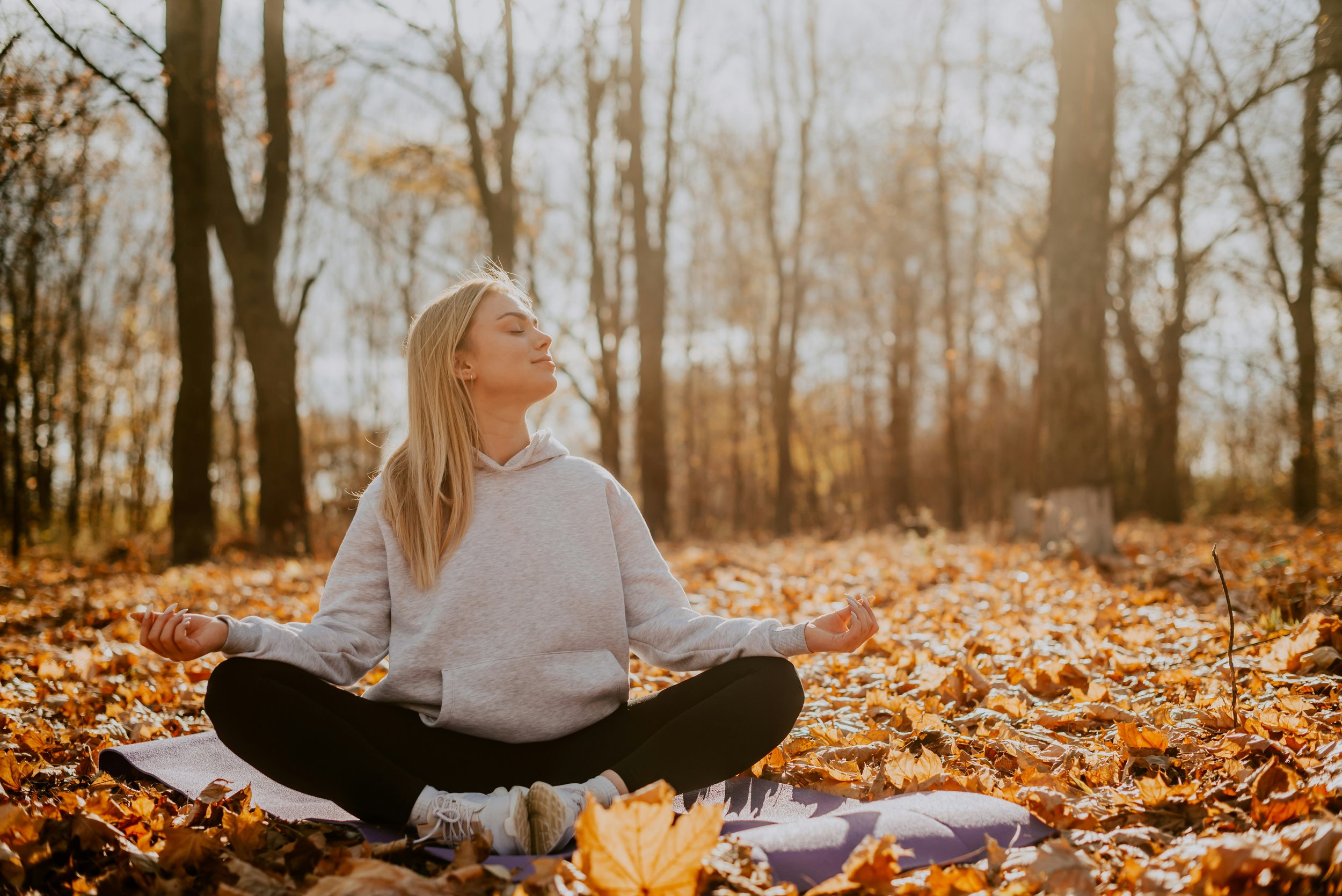
Mindfulness and meditation aren’t just “nice ideas.” They’re practical tools that help your body and brain recover from the constant mental load most women carry—especially as stress, hormones, and energy shifts become harder to ignore.
You don’t need to meditate perfectly to benefit. You just need to practice consistently.
Here are five real, science-backed benefits of mindfulness and meditation—and what they can mean for your everyday life.
1) You Sleep Better (and Wake Up Feeling More Rested)
If your mind stays “on” at night—racing thoughts, stress, overthinking—mindfulness can help your nervous system downshift.
Meditation supports sleep because it trains your brain to:
relax the body through slower breathing
reduce mental chatter
release tension you’ve been holding all day
Research has found mindfulness meditation can improve sleep quality and reduce daytime impairment in adults with sleep disturbances (Black et al.). Another study suggests even low-dose mindfulness practice may improve sleep quality and sleep duration, especially when stress is work-related (Hülsheger).
What this means for you: fewer restless nights, easier time falling asleep, and a calmer transition into bedtime.
2) It Can Help Lower Blood Pressure
Chronic stress keeps the body in “fight or flight,” which can contribute to elevated blood pressure over time.
Mindfulness meditation helps by activating the parasympathetic nervous system (your “rest and restore” mode). In a study on patients with arterial hypertension, participants who received regular mindfulness training showed statistically lower blood pressure readings compared with those who didn’t (Ponte Márquez et al.).
What this means for you: a supportive tool for stress management that also benefits your heart health.
3) It Helps You Manage Pain More Effectively
Pain isn’t just physical—it affects your mood, energy, focus, and sleep. Mindfulness doesn’t magically erase pain, but it can change your relationship with it.
Meditation teaches you to observe sensations without immediately tensing, panicking, or spiraling—responses that often intensify discomfort.
Some clinical research summaries have reported meaningful reductions in chronic pain for people who practice mindfulness consistently (often cited in mainstream psychology reporting). The biggest benefit is learning how to reduce the mental suffering layered on top of physical pain.
What this means for you: more calm, less reactivity, and greater emotional resilience when your body doesn’t feel its best.
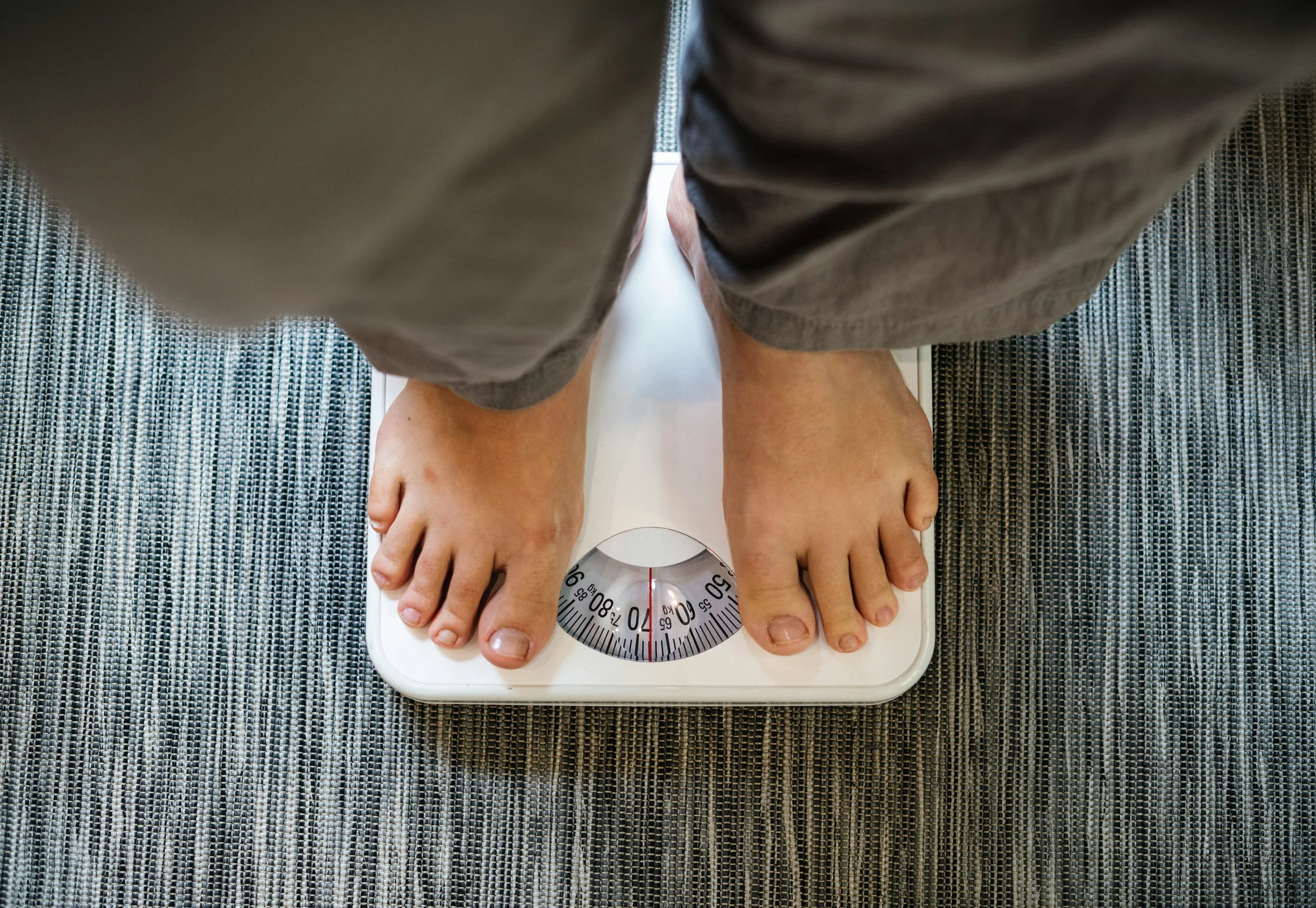
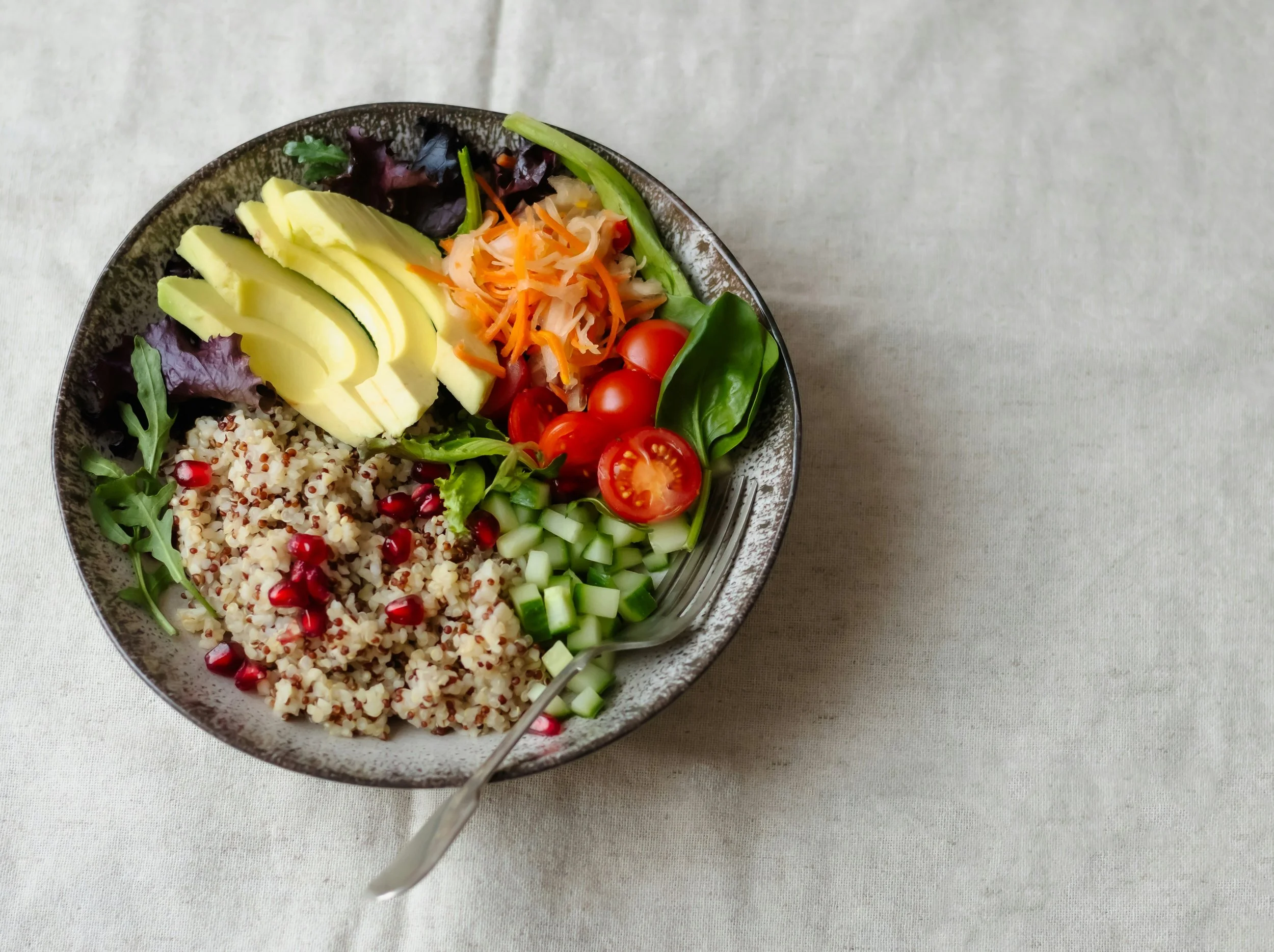
4) It Supports Weight Loss and Healthy Eating Habits
Many women don’t struggle with weight because they “don’t know what to eat.” They struggle because stress, burnout, hormone shifts, and emotional overload influence eating patterns.
Mindfulness helps weight management by improving:
awareness of emotional and stress eating triggers
ability to pause before impulsive choices
connection to hunger/fullness signals
consistency with healthier routines
Some research suggests women who practice mindfulness may be better able to maintain weight over time, in part because they become more conscious of patterns that lead to overeating.
What this means for you: less “all-or-nothing,” fewer cravings-driven decisions, and more control without restriction.
5) It Improves Your Mood (and Helps You Feel More Like Yourself)
Mindfulness supports mood by helping you respond differently to thoughts and feelings.
Instead of getting swept up in anxiety, irritability, or low mood, you learn to notice what’s happening—then choose your next step with more clarity.
The American Psychological Association has highlighted research suggesting mindfulness is associated with changes in brain regions involved in memory, learning, emotional regulation, and self-awareness. In everyday terms: you may feel more emotionally steady, less reactive, and more present.
What this means for you: fewer emotional spirals, more grounded days, and a calmer baseline.
The Real Secret: Consistency Beats Intensity
You don’t need 30 minutes a day to benefit.
Start with:
3–5 minutes of slow breathing
a short guided meditation
a quiet moment before your day begins
Small daily practice adds up—and it’s often the simplest habits that create the biggest shifts over time.