Self-discipline isn’t about being “perfect.” It’s about building trust with yourself—one small decision at a time. The good news? You don’t need a total life overhaul. These simple acts compound fast.
Here are 10 ways to strengthen your mind and body through everyday self-discipline:
1) Remove Temptation (Don’t Just “Resist” It)
Women with strong self-discipline don’t rely on willpower alone—they reduce friction.
That means:
keeping junk food out of the house (or at least out of sight)
silencing notifications
putting your phone in another room during focused work
creating “no-scroll” zones (bedroom, dinner table)
Self-discipline tip: Make your environment support you, so you don’t have to fight yourself all day.
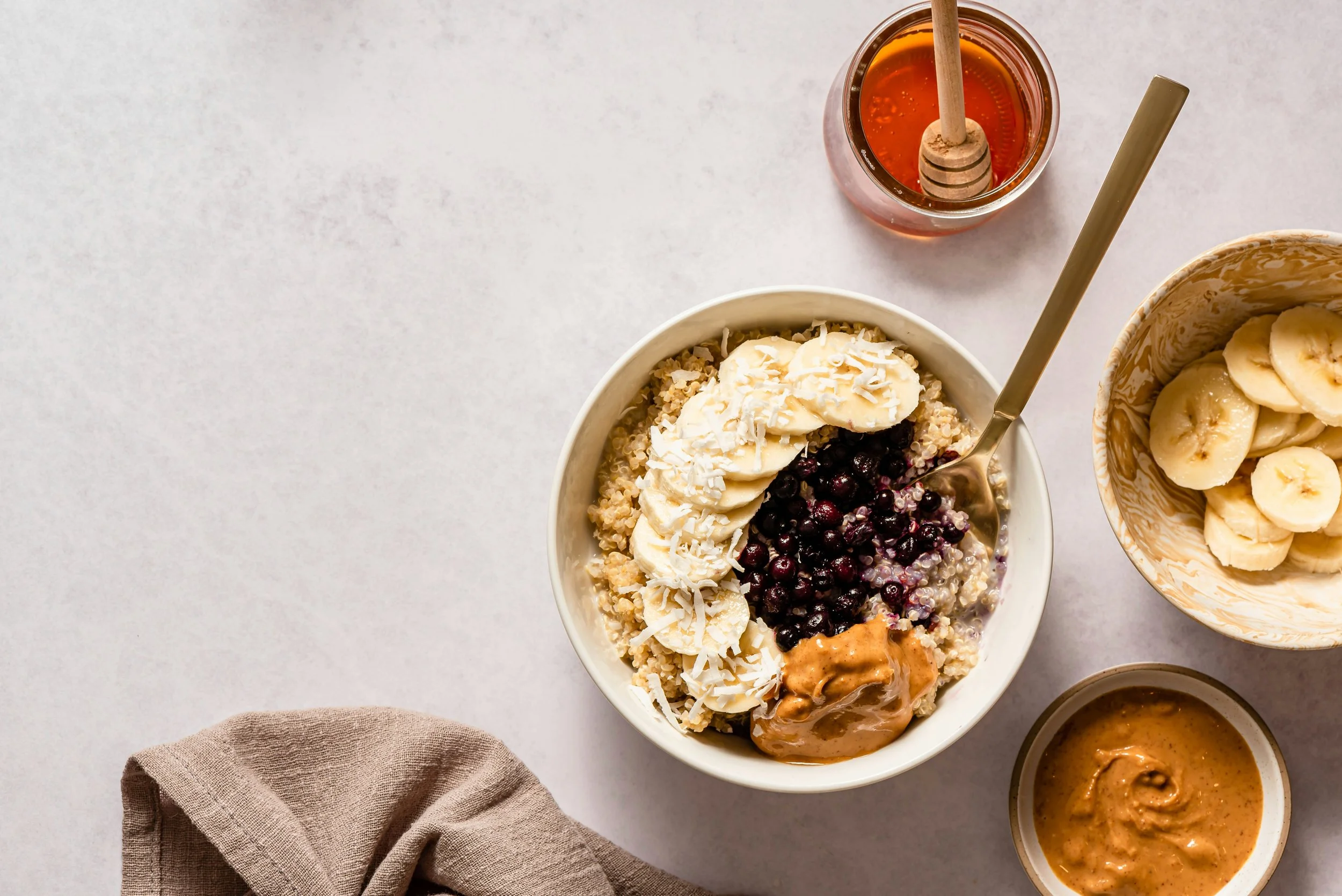
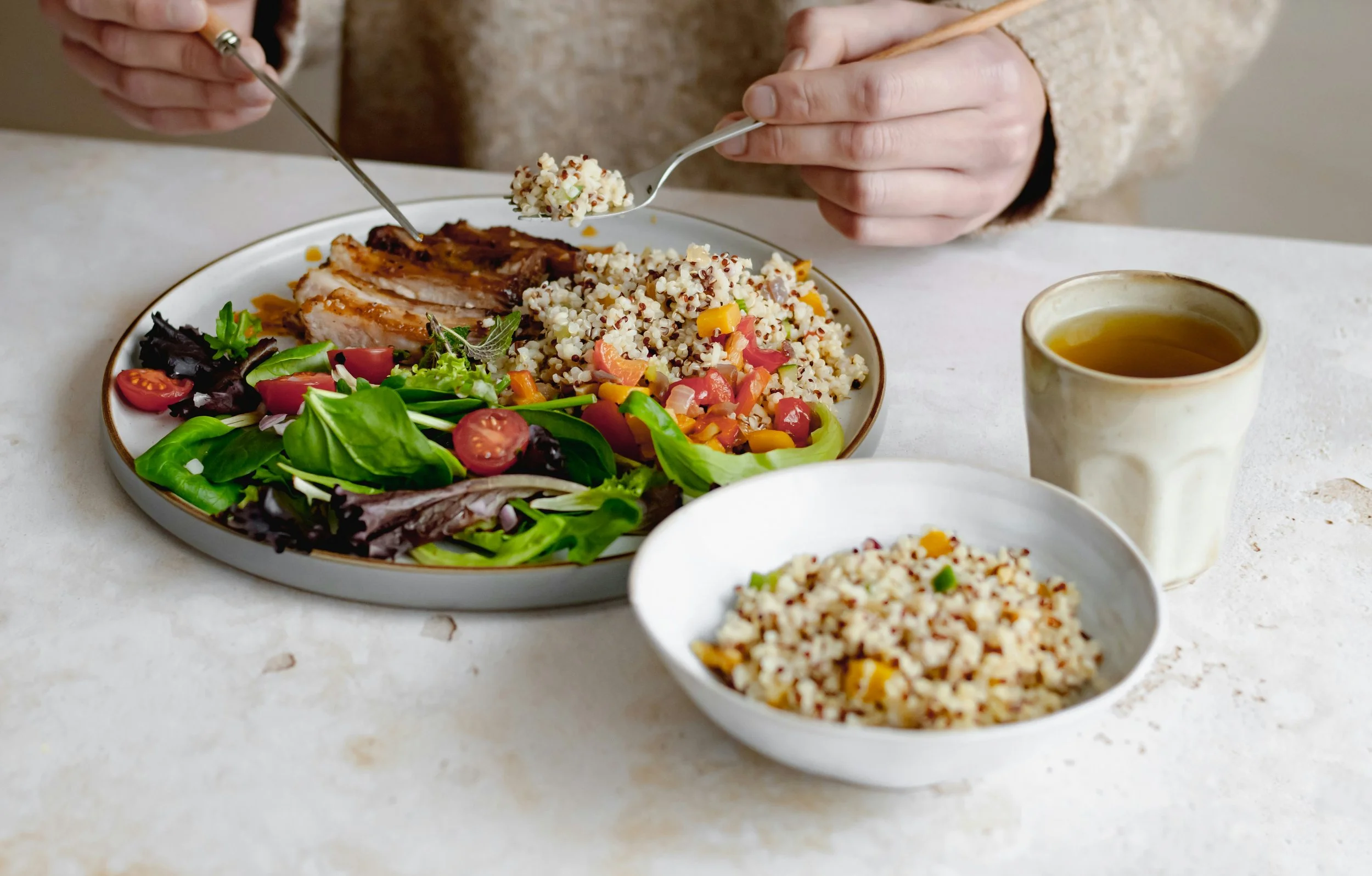
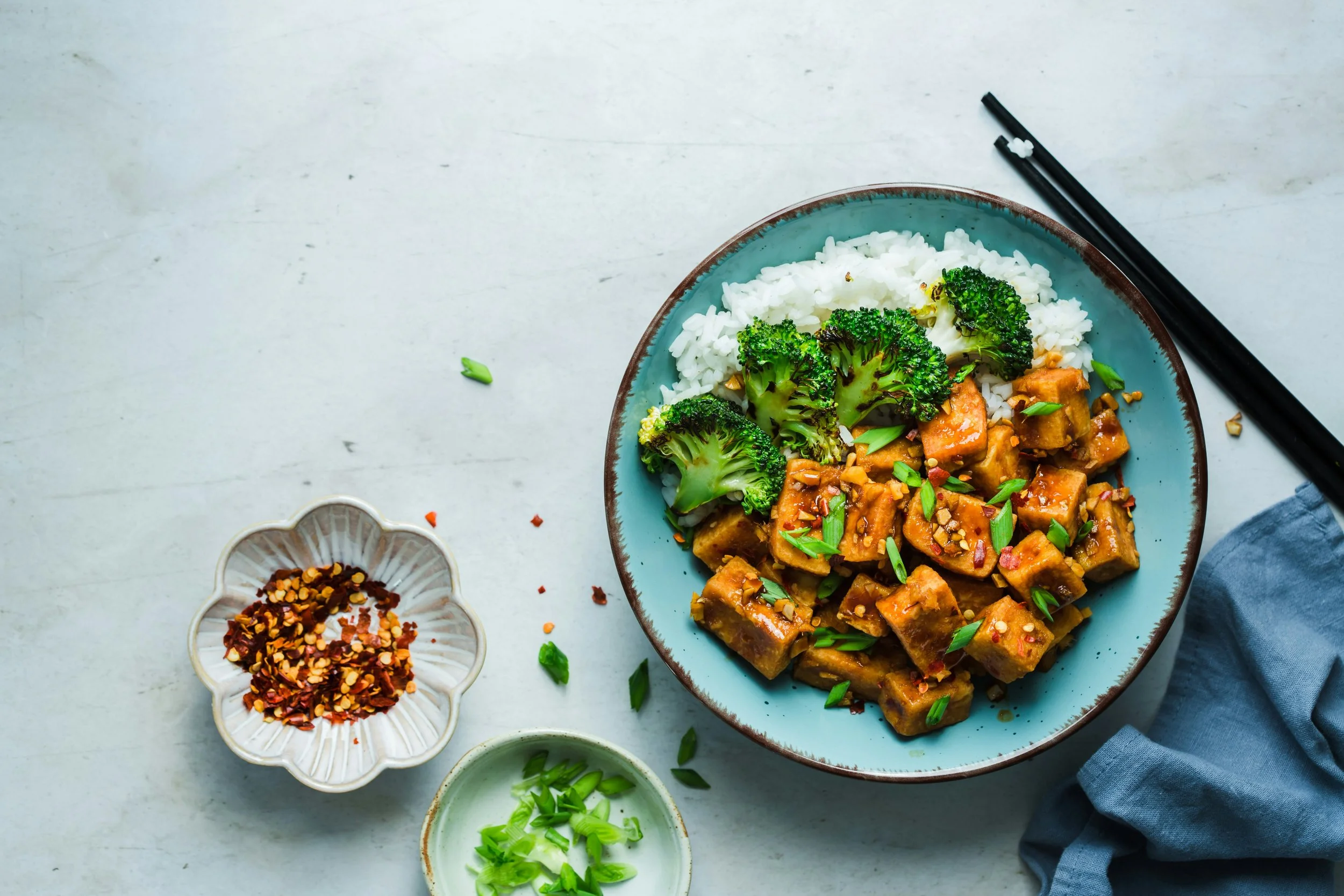
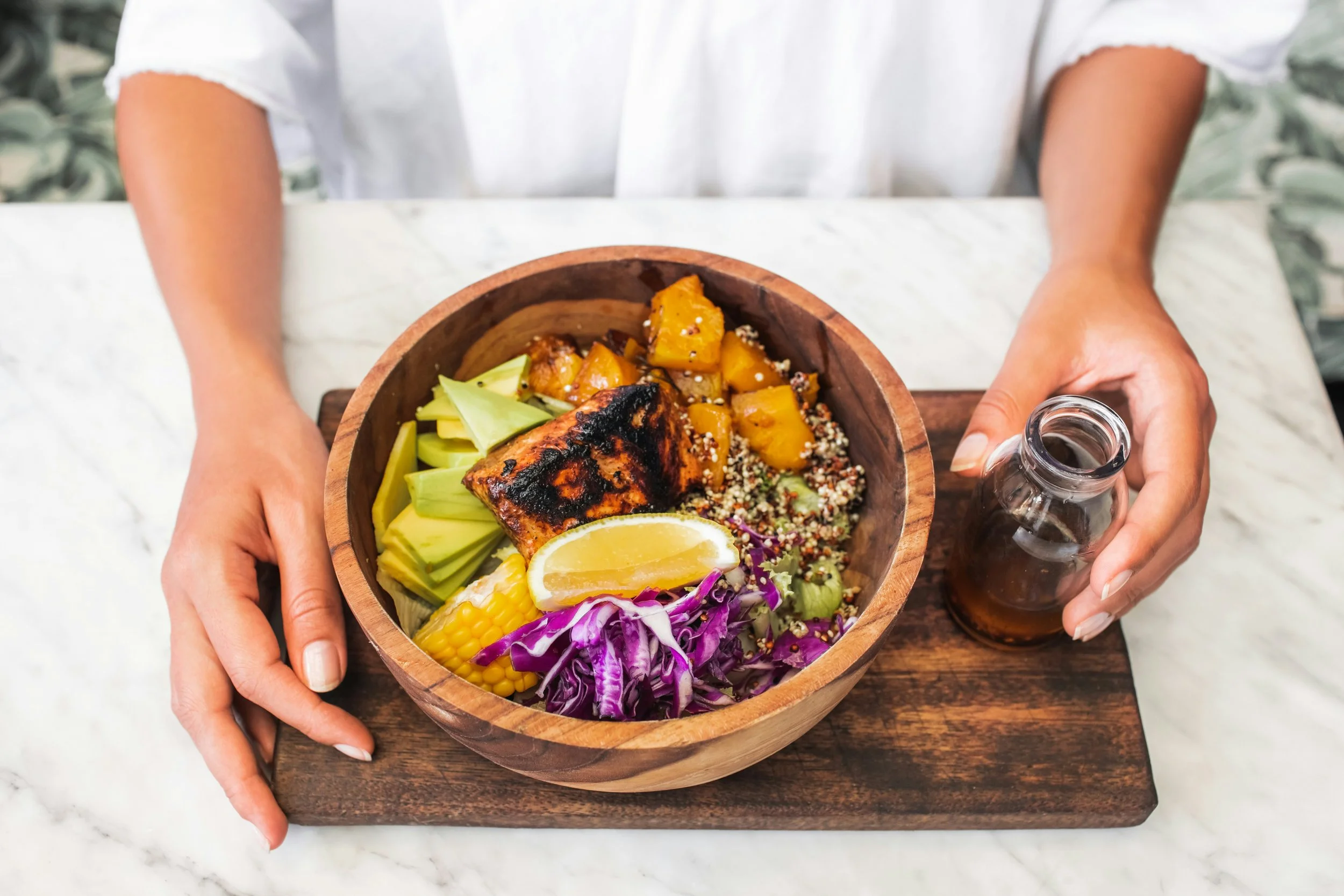
2) Eat Well (And Eat Regularly)
Blood sugar impacts your mood, focus, and decision-making more than most people realize. When you’re underfed or running on sugar, cravings get louder and discipline gets harder.
Simple habits that help:
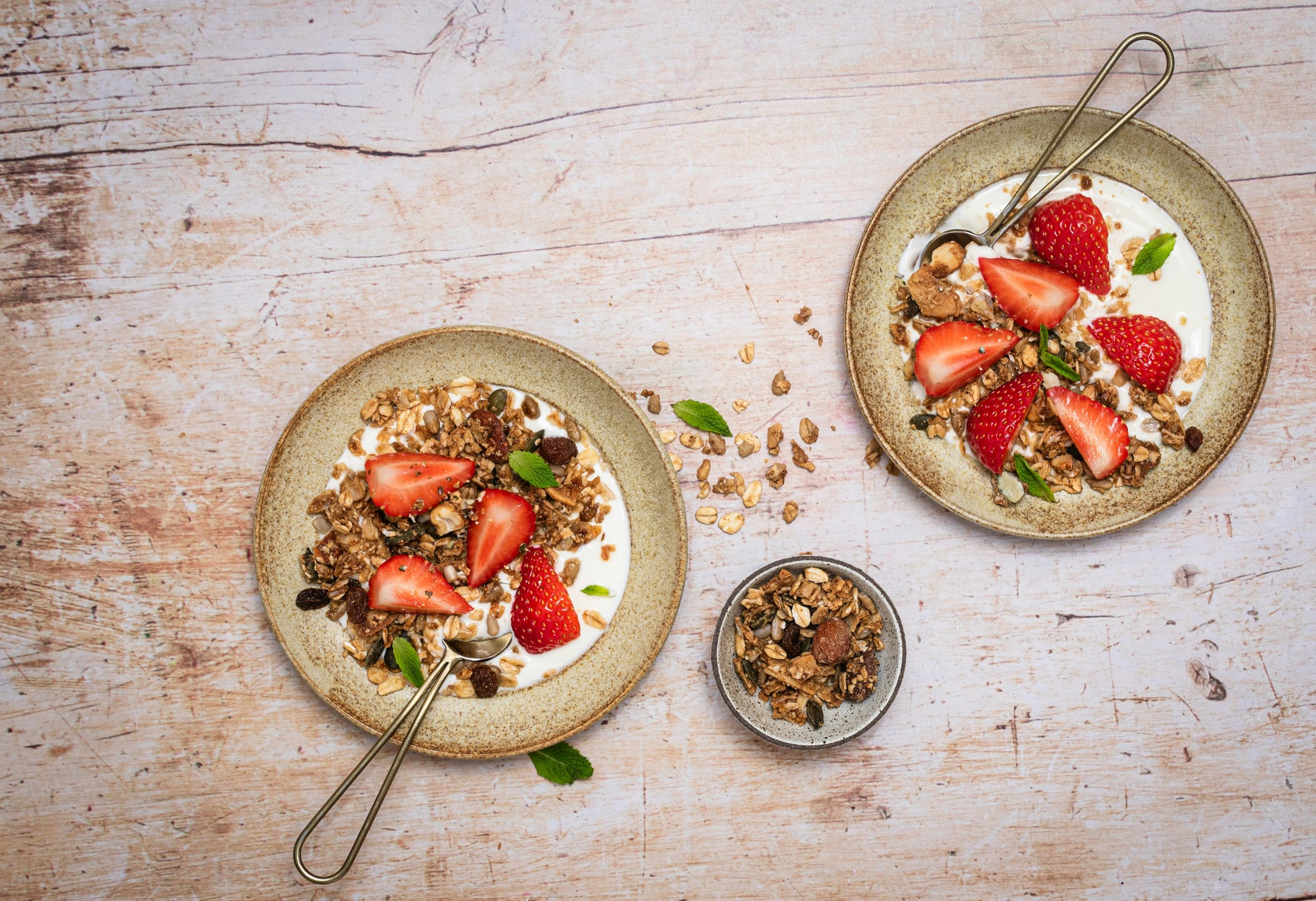
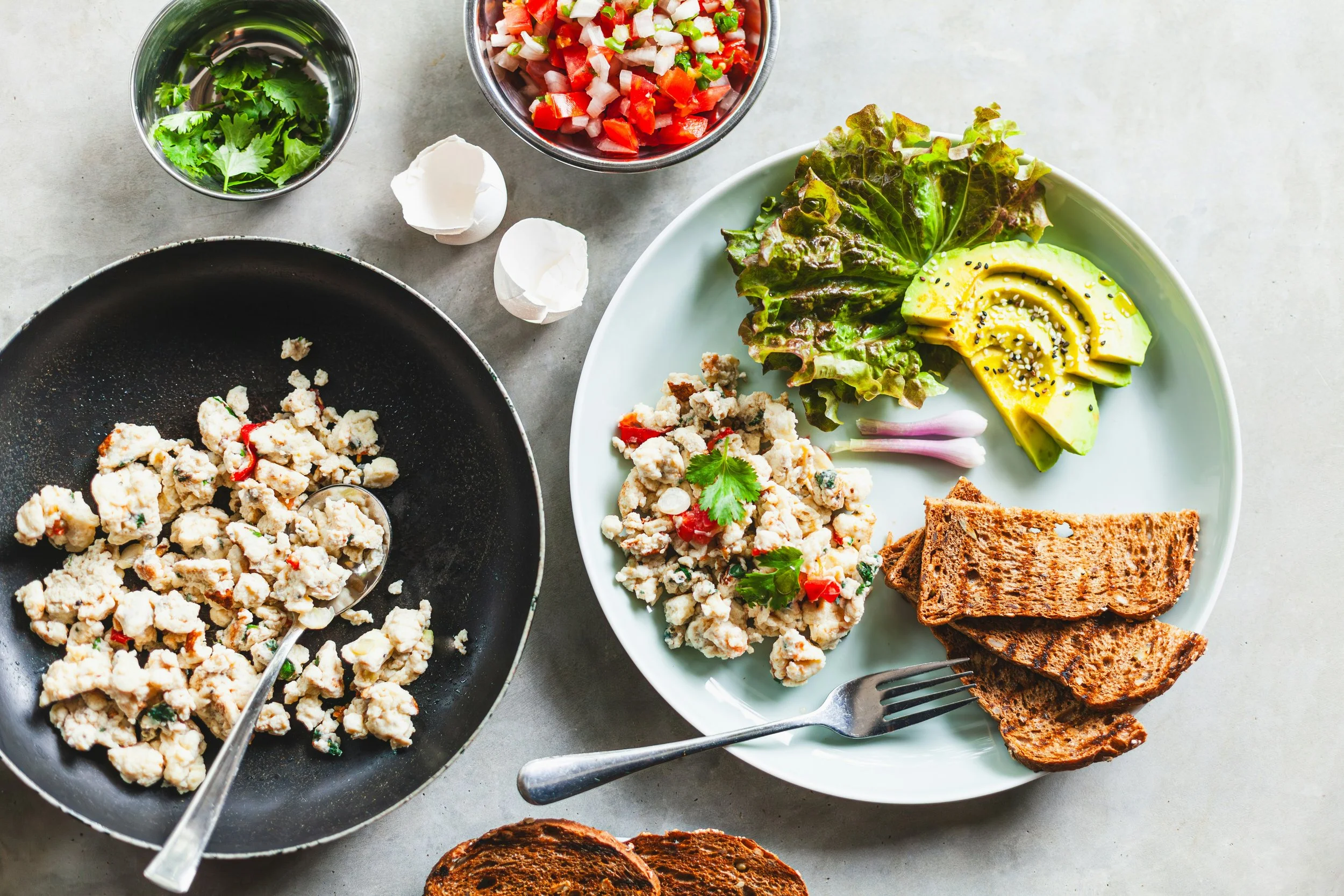
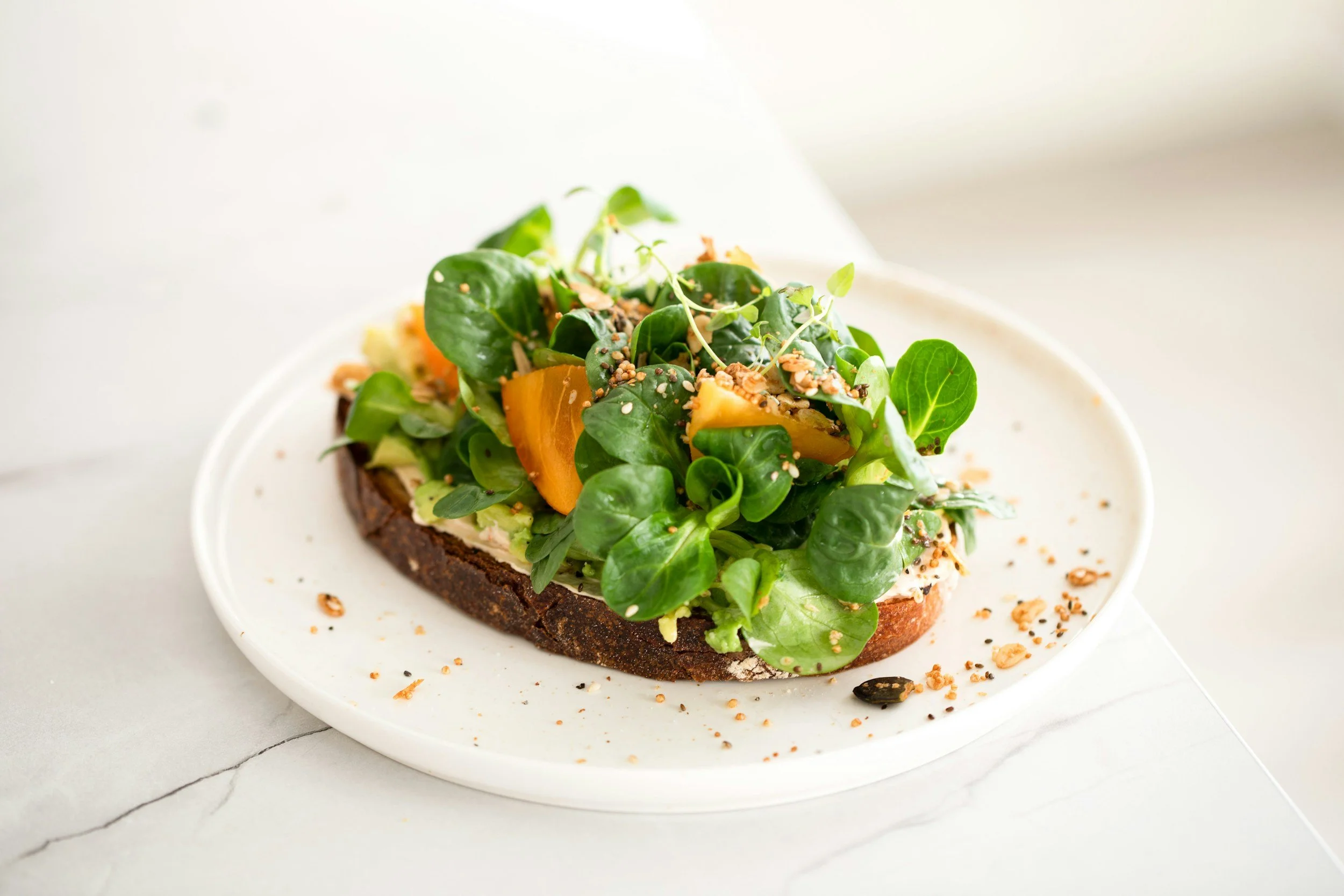
eat protein with breakfast
don’t skip meals
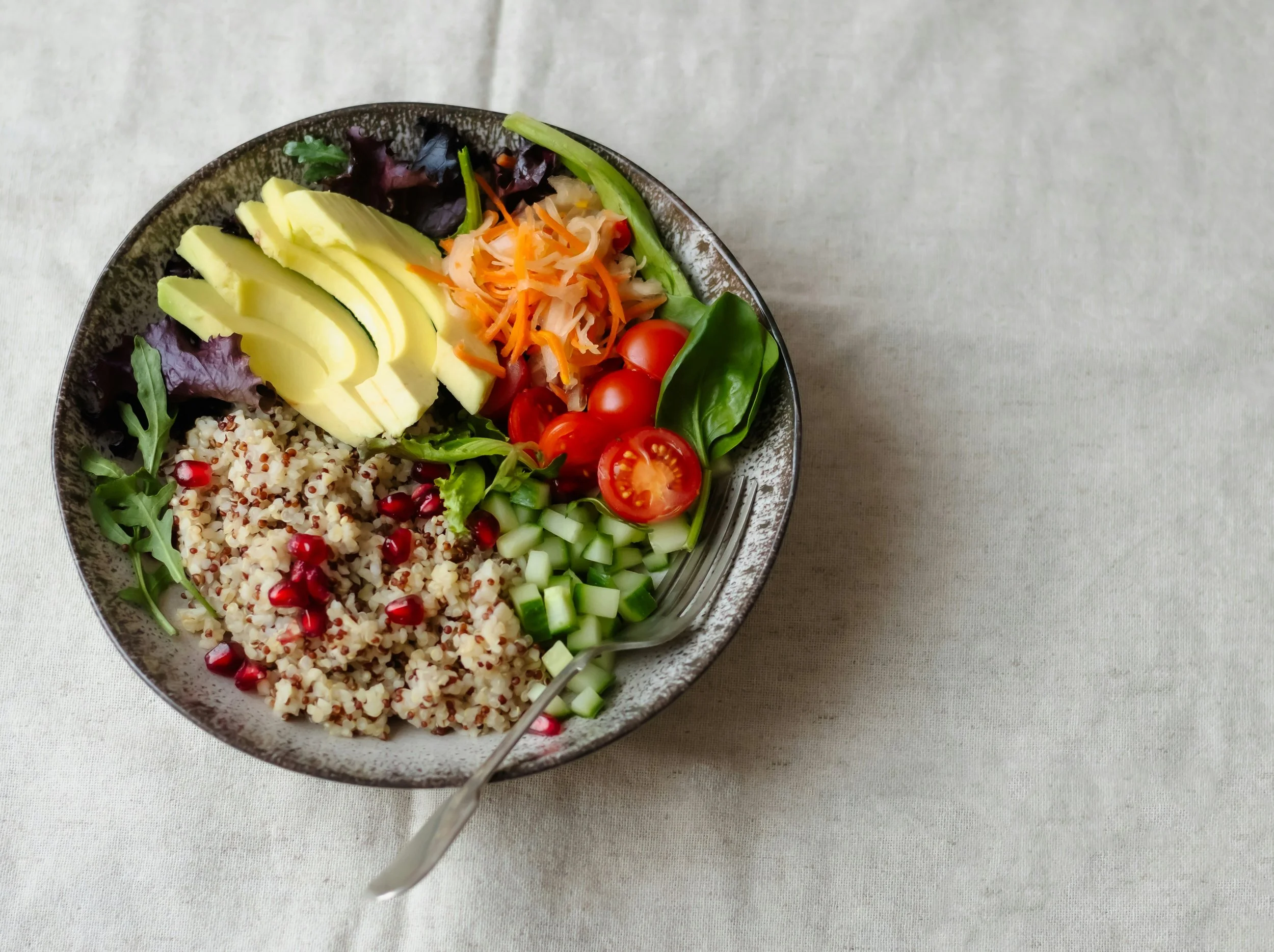
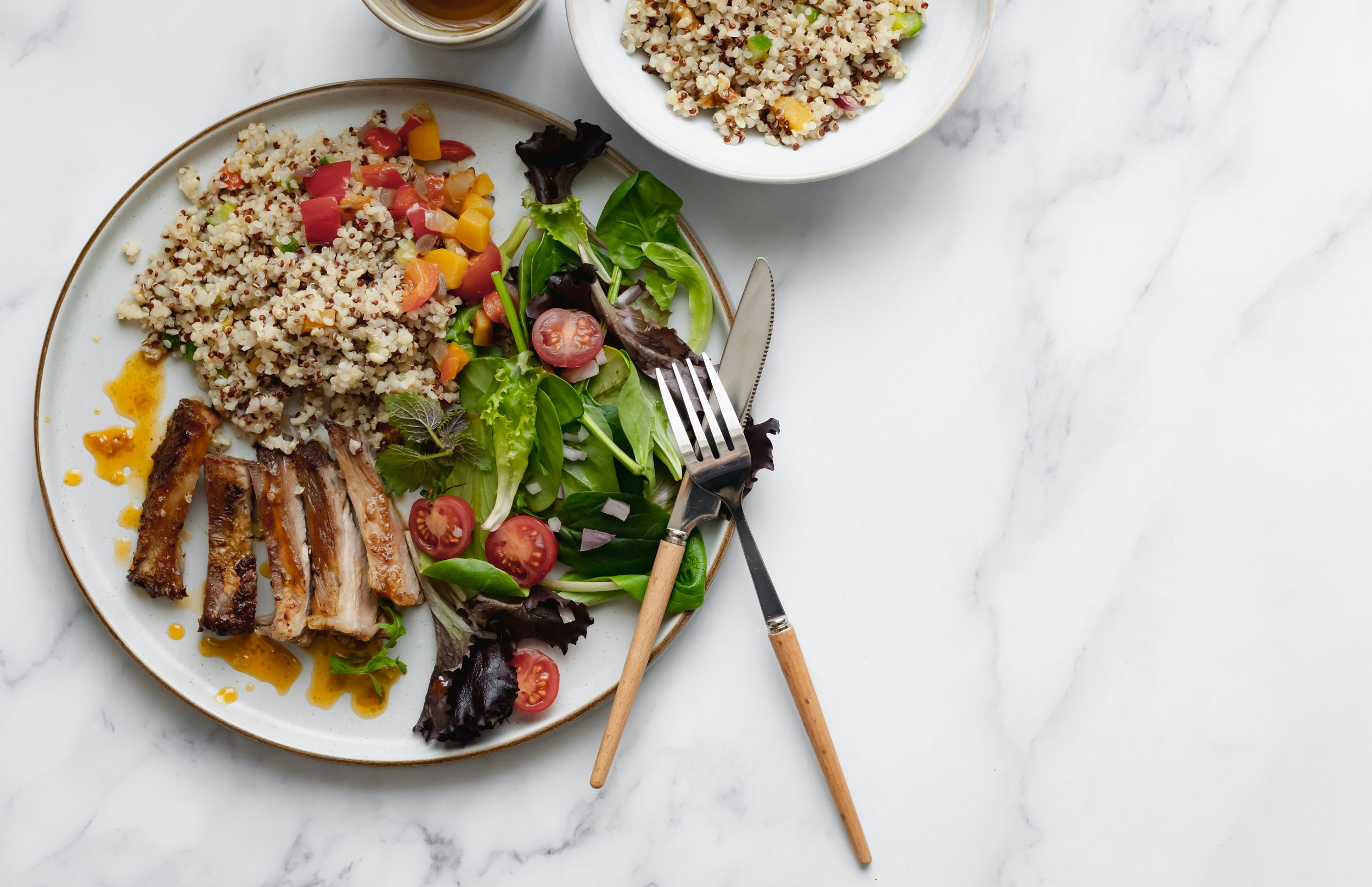
plan 1–2 reliable go-to meals for busy days
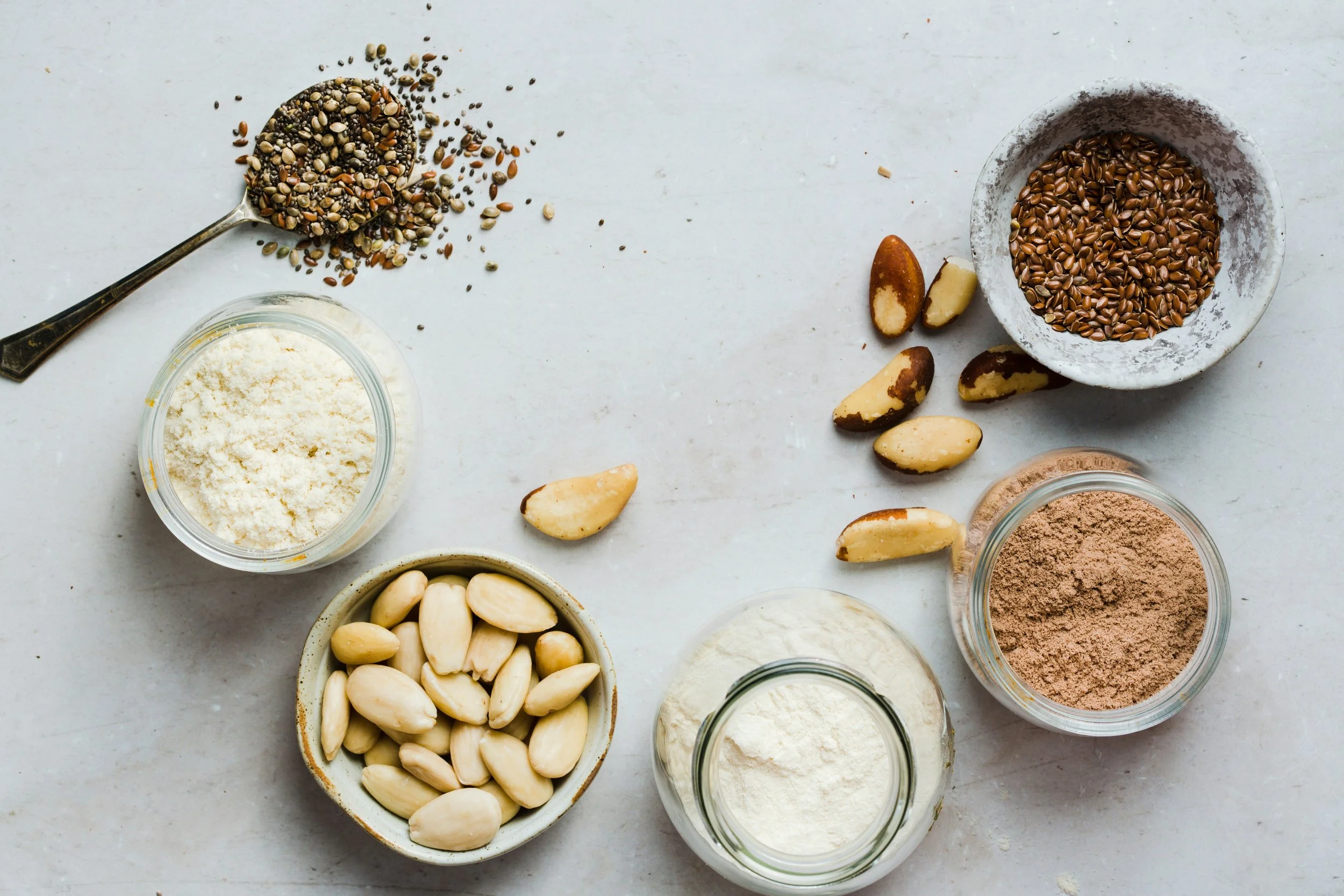
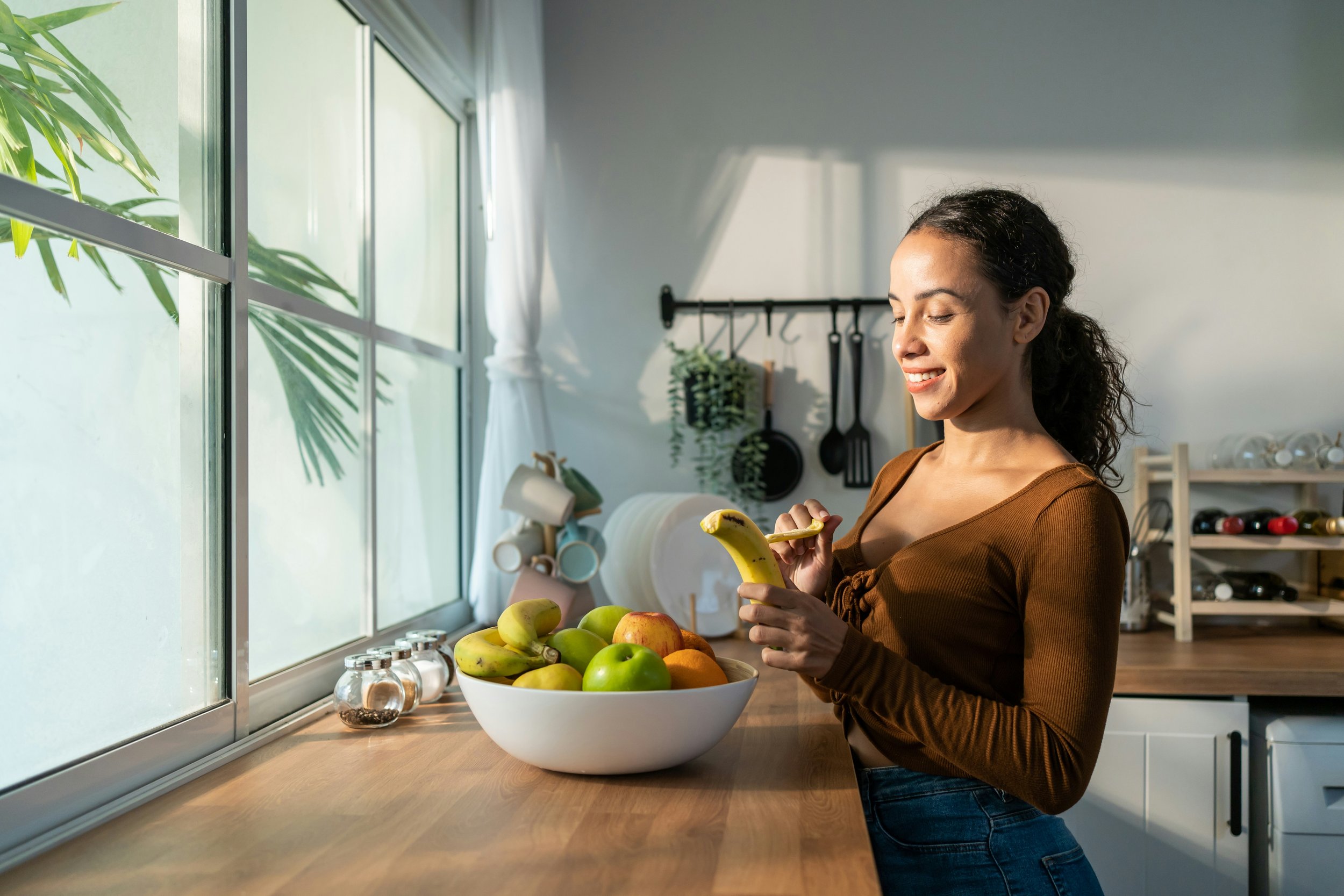
keep “emergency” snacks ready (nuts, fruit, yogurt, protein)
Self-discipline is planning ahead—so you don’t make desperate choices later.
3) Get Comfortable Being Uncomfortable
Growth is awkward at first. New habits feel inconvenient. Old patterns will try to pull you back.
Examples of “healthy discomfort”:
saying no when you want to people-please
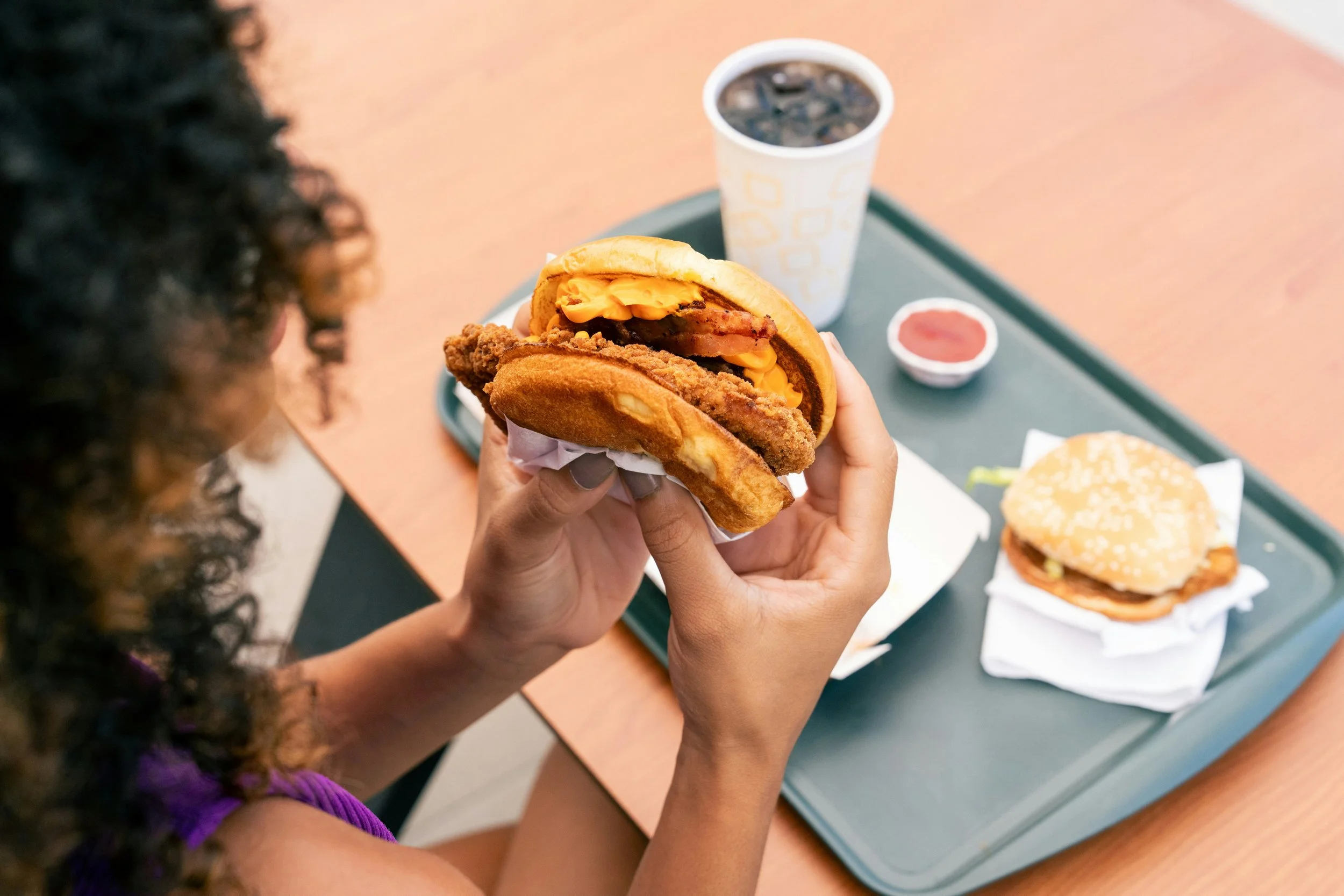
cooking at home instead of grabbing fast food
going for a walk when you’d rather scroll
stopping yourself mid-complaint and choosing a calmer response
Reminder: Discomfort is not a stop sign. It’s often proof you’re changing.
4) Schedule Rewards (Discipline Doesn’t Mean Deprivation)
Discipline works better when your brain knows it’s not being punished.
Reward ideas that don’t derail your goals:
a relaxing bath
a new workout set or book
a solo coffee date
a movie night
a “day off” meal plan (still nourishing, less effort)
The point: reward consistency, not perfection.
5) Forgive Yourself Fast (Then Get Back on Track)
Slip-ups happen. The difference between women who quit and women who grow is how long they stay in guilt.
Try this mindset:
“I’m not starting over. I’m continuing—just from here.”
Self-discipline is not never messing up. It’s recovering quickly.
6) Decide You’re the Kind of Woman Who Follows Through
Belief matters. If you constantly tell yourself you’re “not disciplined,” your brain will prove you right.
Instead, choose an identity-based shift:
“I keep promises to myself.”
“I do hard things.”
“I’m consistent, even when I don’t feel like it.”
Then back it up with one small action every day.
7) Practice Time Management (Because Chaos Kills Discipline)
When your schedule is chaotic, you make reactive decisions. Self-discipline thrives in structure.
Small time-discipline habits:
plan tomorrow the night before (3 priorities max)
set a 15-minute “reset” block (clean, prep, organize)
use a timer for focus sessions (25 minutes on, 5 off)
stop multitasking—finish one thing at a time
A calm plan creates a calm mind.
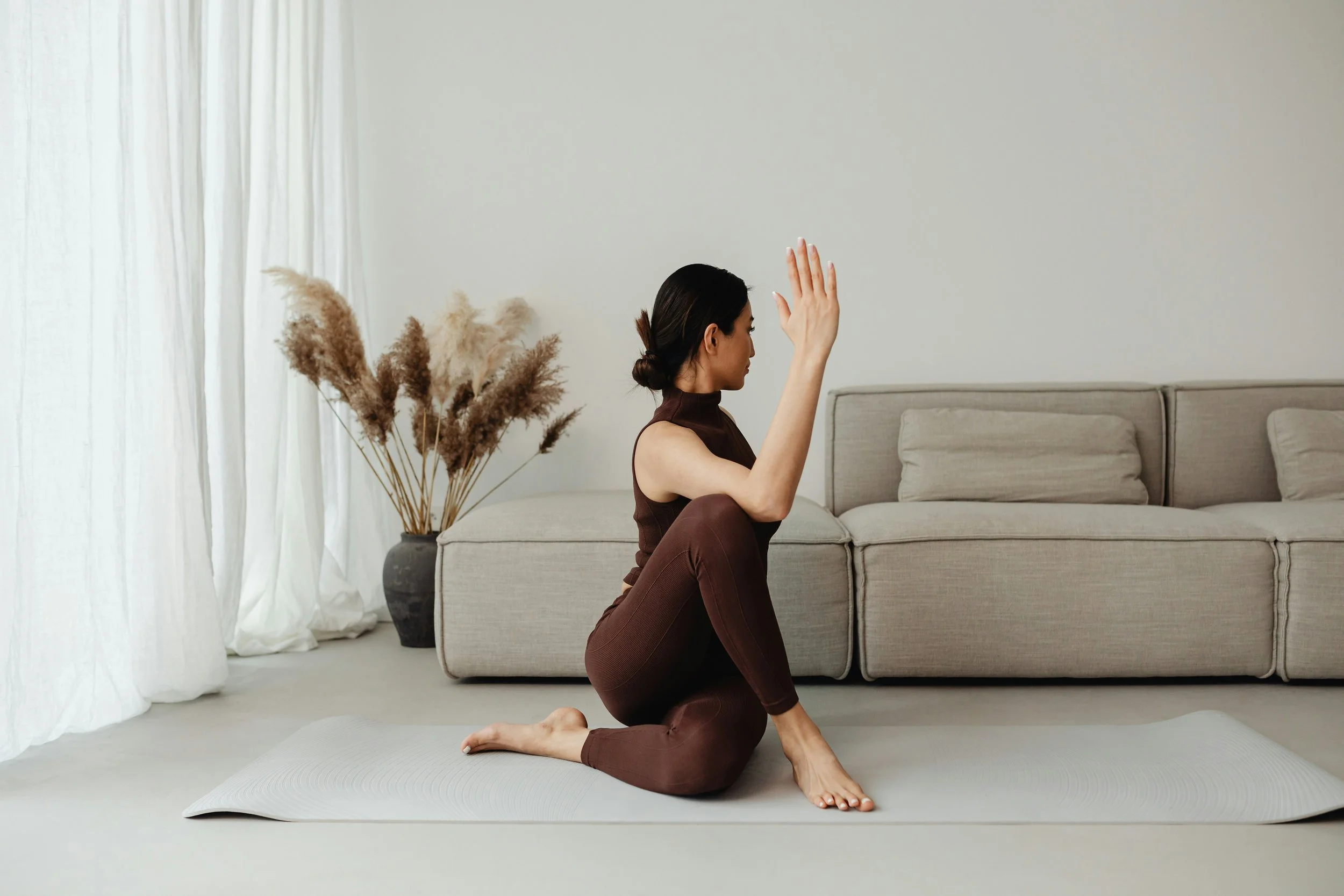
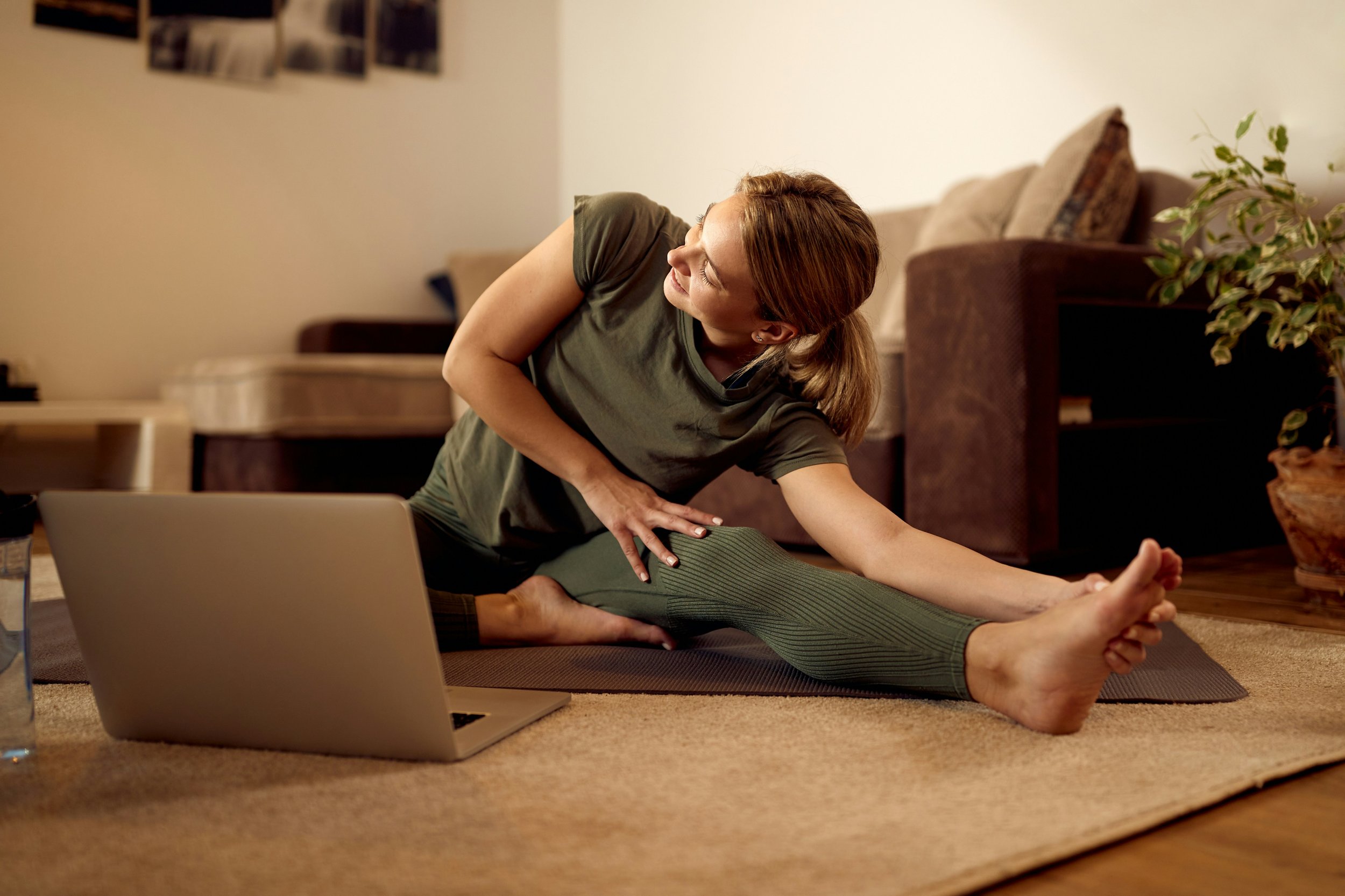
8) Exercise Even When You’d Rather Do Something Else
Movement is one of the clearest acts of self-discipline because it’s you choosing long-term health over short-term comfort.
Keep it simple:
20-minute walk
short strength workout at home
yoga/stretching
dancing while cleaning
The win isn’t intensity. The win is consistency.
9) Prioritize Sleep Like It’s Part of Your Wellness Plan
Sleep is discipline fuel. When you’re exhausted, you’re more impulsive—more cravings, more procrastination, more stress.
Try:
a consistent bedtime window
no phone in bed
dim lights 30 minutes before sleep
magnesium tea or a wind-down routine
A rested woman makes better decisions.
10) Follow Through (Especially on Small Promises)
Discipline is built by the small things:
doing what you said you’d do
finishing what you start
keeping tiny promises daily
Examples:
“I’ll drink water before coffee.”
“I’ll walk 10 minutes after lunch.”
“I’ll stop eating when I’m satisfied.”
“I’ll go to bed by 10:30.”
Small follow-through becomes self-trust. Self-trust becomes discipline.