Mental health isn’t just about “getting through the day.” It’s about feeling steady, supported, and safe within yourself—mentally, emotionally, and physically. The good news? Inner peace is something you can build, one small habit at a time.
Here are 9 simple daily practices that help you protect your mental wellness and feel more grounded—without needing to overhaul your whole life.
1) Identify What’s Missing in Your Self-Care
Self-care isn’t a luxury—it’s maintenance. When you feel irritable, overwhelmed, or emotionally drained, it’s often a sign something is being neglected.
Quick check-in:
What do you need more of right now—rest, movement, quiet, connection, nourishment, or support?
What keeps getting pushed to the bottom of your list?
Start small: even 10 minutes of “me time” each day can reset your nervous system.
2) Save Something (Even If It’s Small)
Peace isn’t only emotional—it’s also practical. Saving money consistently reduces stress because it creates a sense of stability and choice.
Start with what you can: $10, $25, $50—anything.
The habit matters more than the amount.
Try this: set up an automatic weekly transfer so you don’t have to “decide” every time.
3) Get Clear on Your Spiritual Core
Inner peace grows when your life matches your values. Spiritual wellness doesn’t have to mean religion—it can mean purpose, meaning, and identity.
Ask yourself:
What matters most to me right now?
What kind of woman am I becoming?
Are my choices aligned with what I say I value?
Even a few minutes of reflection helps you feel anchored.
4) Keep Your Brain Active
Your mind needs stimulation—especially as you get older. A mentally active life supports memory, mood, focus, and overall resilience.
Simple daily options:
read 5–10 pages
do a crossword, Sudoku, or brain game
learn something new (even a short video or podcast)
try a new route, recipe, or skill
Small mental challenges keep your brain sharp.
5) Eat Clean, Whole Foods (Not Diet Food)
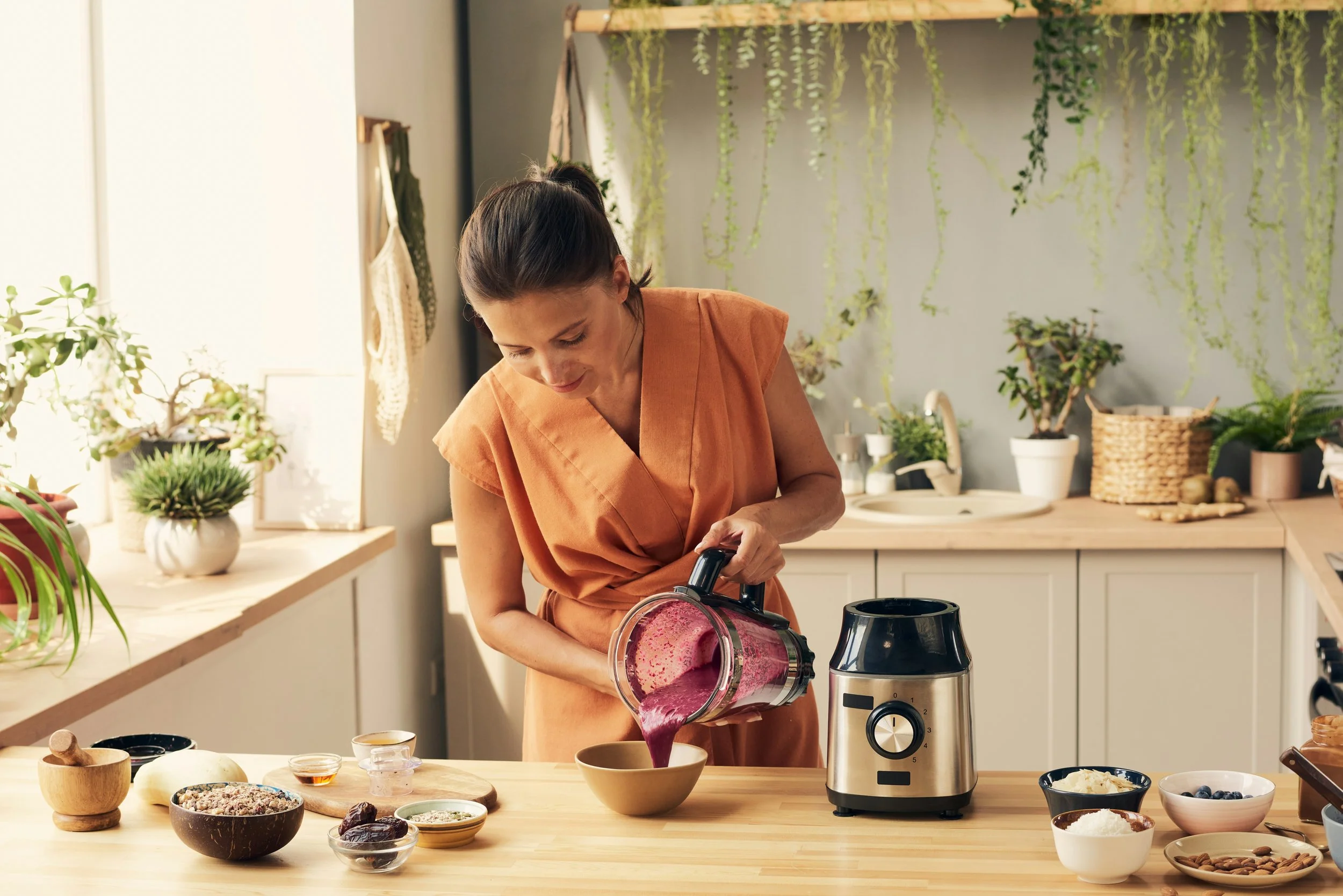
Food affects your mood, focus, hormones, and energy. Clean eating is less about restriction and more about giving your body what it needs.
Aim for meals that include:
vegetables + fruit
lean protein
healthy fats
whole grains (as tolerated)
The goal: steady blood sugar, stable energy, and fewer cravings.
6) Stay Physically Active
Movement is one of the most reliable ways to support mental health. It improves circulation, boosts mood chemicals, and helps the body process stress.
You don’t need intense workouts. Consistent movement wins.
Try: a daily walk, stretching, strength training, dance, yoga, or a short workout video—whatever you’ll actually stick with.
7) Learn How to Manage Stress Before It Manages You
Stress doesn’t just live in your mind—it lives in your body. When stress stays high for too long, it can affect sleep, appetite, digestion, hormones, and emotional stability.
Daily nervous system support:
deep breathing (2–5 minutes)
time in nature
boundaries with people and technology
adequate sleep and hydration
journaling or prayer
You don’t have to eliminate stress—you just have to release it regularly.
8) Stay Connected to the Right People
Isolation makes everything heavier. Healthy connection improves emotional wellbeing and reminds you that you’re not alone.
Make it simple:
text one friend
schedule a weekly call
meet someone for a walk or coffee
spend time with people who feel safe and genuine
The right connections calm your nervous system.
9) Meditate to Build Inner Peace
Meditation is one of the most effective tools for emotional balance and mental clarity. It teaches you how to pause, observe your thoughts, and respond instead of react.
Start with 2–5 minutes a day.
No perfection needed. Just consistency.
Simple practice: breathe in slowly, breathe out slowly, and when your mind wanders—gently return to your breath.