Mindful eating is simple: you’re present while you eat. Instead of scrolling, multitasking, or eating on autopilot, you slow down and pay attention to your food, your body, and your emotions.
These tips can help you reduce emotional eating, spot patterns, and make healthier choices with more consistency.
☐ Remove distractions while you eat. Put your phone down. Turn off the TV. Give your meal your full attention.
☐ Notice what you’re feeling before you eat. Hungry? Or stressed, bored, anxious, lonely, or overwhelmed? Awareness helps you respond instead of react.
☐ Use the water pause. If you think you’re hungry, drink 12–16 oz of water and wait 10–15 minutes. Sometimes “hunger” is dehydration or fatigue.
☐ Ask yourself these 6 questions before you eat:
Why am I eating?
When did I last eat?
What do I want to eat?
How am I eating (rushed or present)?
How much do I actually need?
Where am I eating (mindfully or distracted)?
☐ Chew slowly and use your senses. Notice the smell, texture, temperature, flavor, and how your body feels as you eat.
☐ Practice the “real hunger” test. If you’re truly hungry, you’ll be open to something nourishing (protein, fruit, vegetables). If you only want chips or sweets, it may be a craving—not hunger.
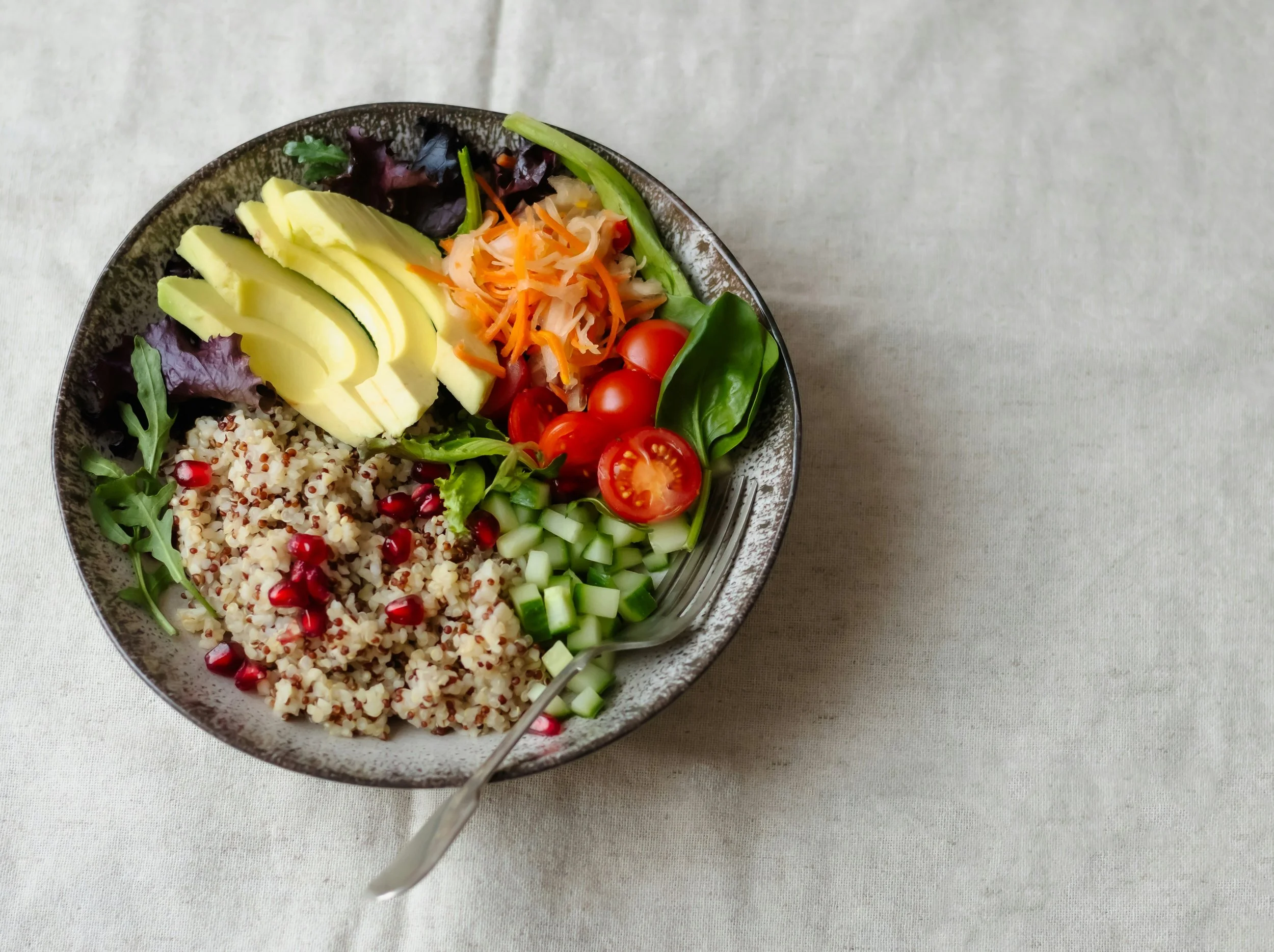
☐ Choose more real food, less processed food. The closer food is to its natural state, the easier it is to notice fullness cues and stabilize energy and mood.
☐ Stay hydrated throughout the day. Water and herbal tea are simple supports that reduce cravings and help regulate appetite.
☐ Be mindful of highly processed foods. They’re often engineered to keep you wanting more, which can make “stopping” feel harder than it should.
☐ Practice gratitude before your first bite. Take 5 seconds to appreciate your meal—this small pause helps shift you into intention.
☐ Think about your food’s journey. A quick moment of awareness—where it came from, who prepared it—can naturally slow you down and deepen intention.