One of the biggest hurdles in clean eating is learning how to recognize hunger—and respond to it in a way that supports your health instead of sabotaging it. When you can tell the difference between real hunger and emotional hunger, you stop overeating, reduce cravings, and feel more in control of your choices.
Real Hunger
Real hunger is your body’s physical signal that it truly needs fuel.
Common signs of real hunger include:
Hunger pains or stomach growling
Low energy or feeling weak
Difficulty concentrating because your body wants food
A steady, gradual build (it doesn’t usually hit out of nowhere)
Because food is so accessible today, many people don’t experience true physical hunger often—unless they’ve skipped meals, undereaten, or are following restrictive diets.
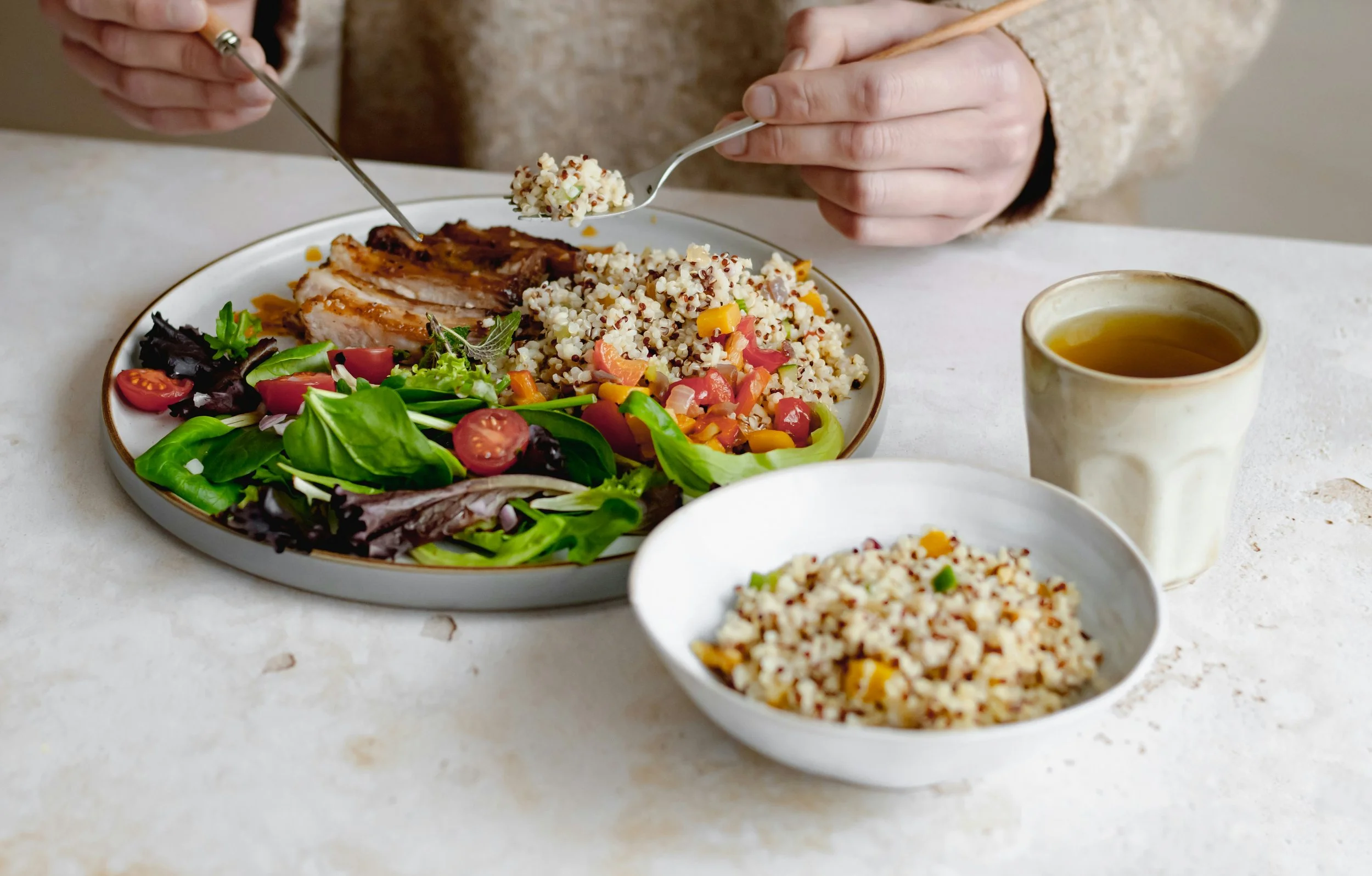
One of the best ways to manage real hunger is through mindful eating:
Eat slowly
Use reasonable portions
Pause during meals to check your fullness
Let your body “catch up” (it takes time to register satisfaction)
When you slow down, you often feel satisfied with less—without feeling deprived.
Emotional Hunger
Emotional hunger is when your mind (not your body) convinces you that you “need” food.
It’s usually triggered by things like:
Boredom
Stress or anxiety
Habit (eating at the same time daily, snacking while watching TV, etc.)
Emotions you don’t want to feel (loneliness, sadness, frustration)
Emotional hunger often feels urgent and specific—like you need something sweet, salty, crunchy, or comforting.
How to Tell the Difference
Here are a few fast clues that it may be emotional hunger:
You ate within the last few hours (your body is likely still digesting)
Hunger hits suddenly—especially when you’re not doing much
You crave a specific comfort food, not a balanced meal
A glass of cold water helps it fade (a simple “pause test”)
Quick Check-In
Before you eat, ask yourself:
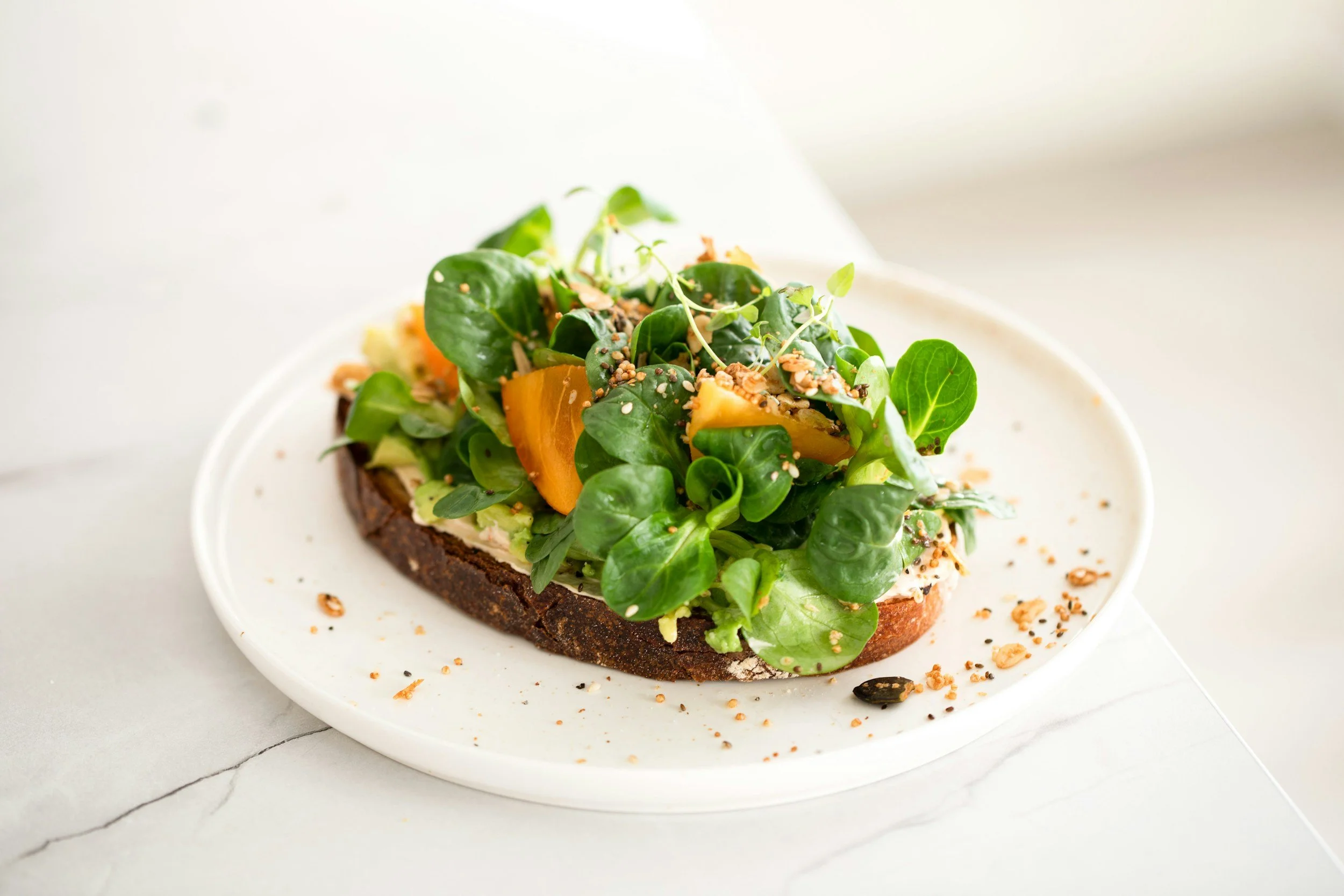
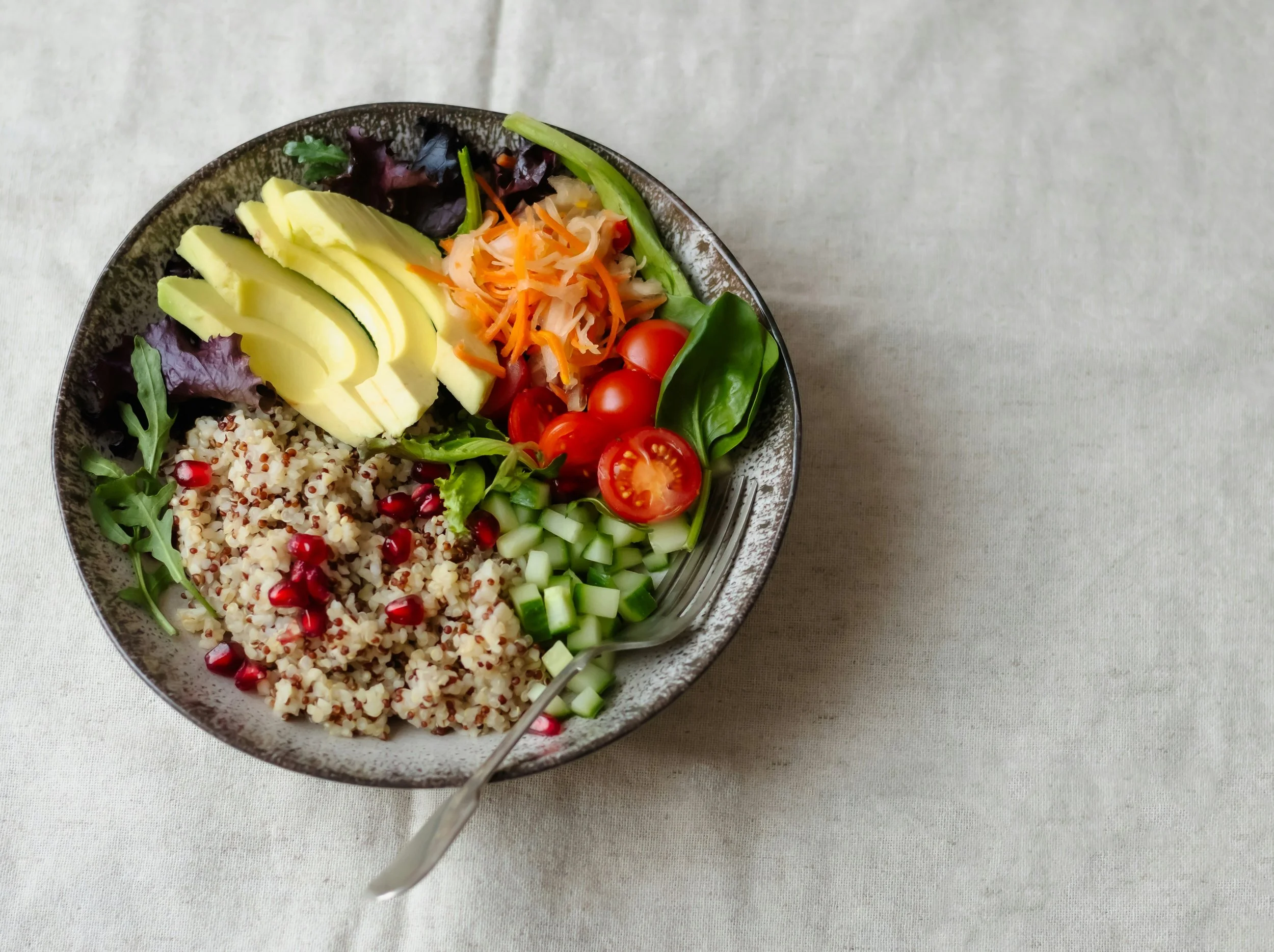
“Would I eat something healthy right now—like eggs, fruit, or veggies?”
If the answer is no, it’s probably emotional hunger.
The Goal
Clean eating isn’t about ignoring hunger—it’s about responding to the right kind of hunger. When you learn this skill, you start eating from intention, not impulse.