5 Simple Ways to Stay Consistent with Clean Eating

Staying consistent with clean eating isn’t about being perfect—it’s about creating habits you can actually live with. Here are five simple ways to keep going without burning out.

1) Don’t See It as a Diet

The word diet can make clean eating feel like restriction and sacrifice. Instead, treat it as a lifestyle shift—a new way of taking care of yourself. When you change your mindset, it becomes easier to stay consistent long-term without feeling deprived.

2) Share Your Progress

When you keep your goals to yourself, it’s easier to slip into old habits. Sharing your progress—whether with a friend, family member, or even online—creates accountability and motivation.

It doesn’t have to be big. Share:

  • a new recipe you tried

  • your meal prep win

  • how you handled a craving

  • how much better you feel

3) Set Smaller Targets

Big goals can feel overwhelming. Smaller milestones make consistency feel doable.

Instead of focusing on “I need to lose 50 pounds,” aim for something like:

  • “I’ll lose 10 pounds in the next 2–3 months,” or

  • “I’ll cook at home 4 nights this week,” or

  • “I’ll drink water before meals every day.”

Small wins build momentum—and momentum builds consistency.

4) Try New Foods

Clean eating gets boring when you eat the same meals on repeat. Keep it interesting by experimenting with new:

  • fruits and veggies

  • spices and herbs

  • healthy sauces and dressings

  • easy recipes that feel satisfying

When your meals feel exciting, you’re less likely to crave the old stuff.

5) Take Pictures

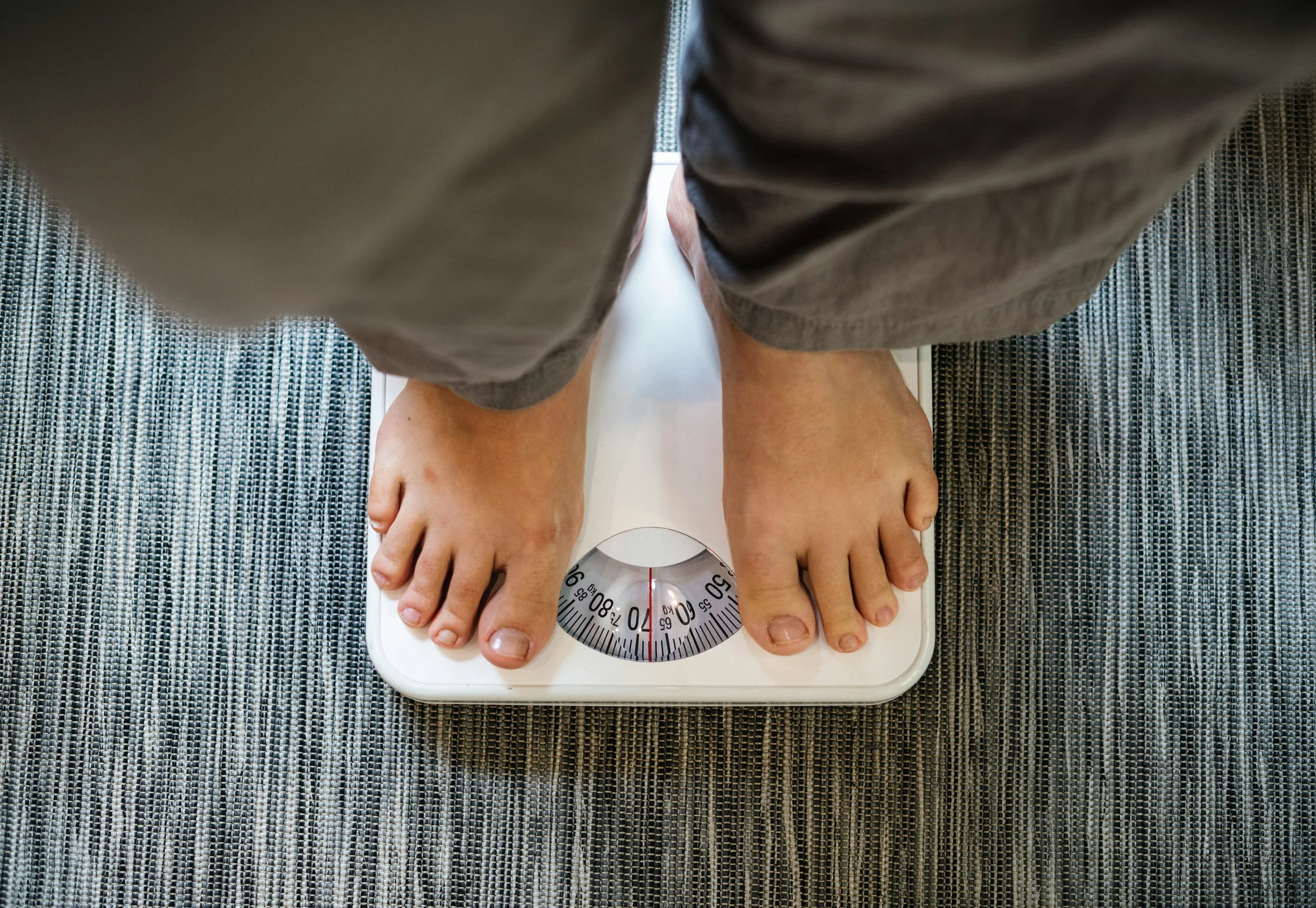
The scale doesn’t tell the full story—especially when your body is changing through better habits. Progress pictures help you see changes that numbers don’t capture.

They also act as proof of your growth when motivation dips, reminding you: “I’ve come too far to quit.”

48 Clean Protein Foods to Support Hormone Health and Weight Loss

Getting enough clean protein is one of the most important things you can do for your body—especially after 35. Clean proteins help balance hormones, stabilize blood sugar, support metabolism, and promote healthy fat loss without restricting calories.

If you're tired of fad diets and ready to nourish your body with foods that actually support your long-term health goals, this clean protein list is your go-to guide.

These 48 clean protein-rich foods are packed with nutrients, easy to add to your meals, and perfect for women aiming to feel strong, lean, and energized.

Legumes, Beans, & Lentils

These plant-based protein powerhouses are fiber-rich and help regulate blood sugar and estrogen metabolism.

  • Black beans – 20g per ½ cup

  • Chickpeas – 20g per ½ cup

  • Red beans – 22g per ½ cup

  • Split peas – 24g per ½ cup

  • Lentils – 9g per ½ cup

  • Lima beans – 73g per cooked ½ cup

  • Black-eyed peas – 8g per ½ cup

  • Soybeans – 34g per ½ cup

  • Yellow peas – 24g per ½ cup

Seeds & Nuts

Rich in healthy fats, fiber, and plant-based protein—perfect for hormone support and satiety.

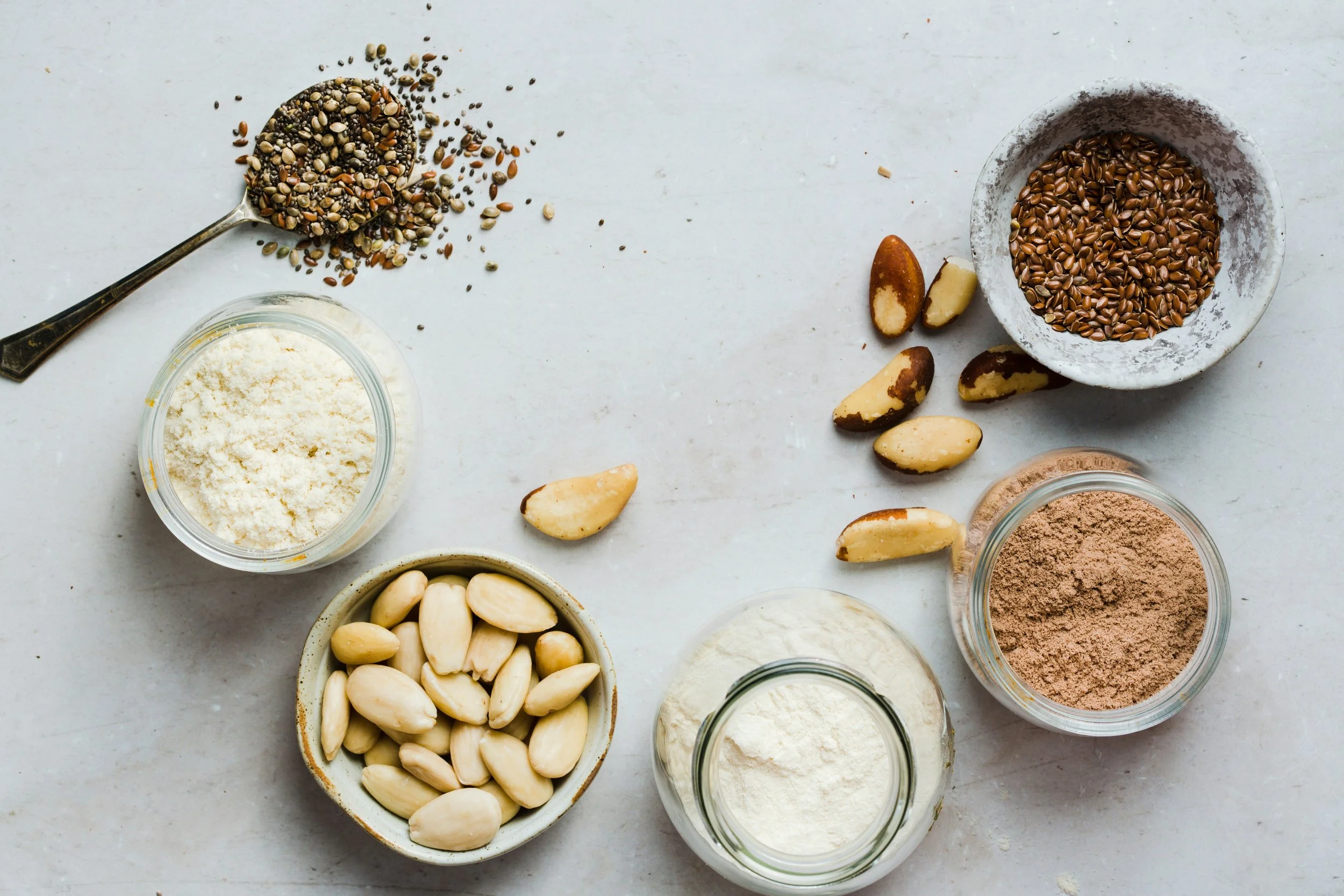
  • Chia seeds – 4g per 2 tbsp

  • Hemp seeds – 15g per ¼ cup

  • Sunflower seeds – 73g per ¼ cup

  • Poppy seeds – 54g per ¼ cup

  • Sesame seeds – 54g per ¼ cup

  • Pumpkin seeds – ~7g per ¼ cup

  • Cashews – 5g per ¼ cup

  • Almonds – 8g per ¼ cup

Whole Grains & Clean Carbs

Don't fear carbs—especially these protein-packed, clean-eating options.

  • Quinoa – 14g per ½ cup

  • Buckwheat – 13g per 100g

  • Oatmeal – 6g per ½ cup

  • Amaranth – 8g per cooked cup

  • Teff – 10g per cooked cup

  • Spelt – 11g per cooked cup

  • Wild rice – 7g per cooked cup

  • Whole grains (general) – 6g per ½ cup

  • Ezekiel bread – 8g per 2 slices

Soy-Based & Fermented Proteins

Great for gut health, hormone balance, and plant-based variety.

  • Tempeh – 19g per 100g

  • Tofu – 20g per ½ cup

  • Seitan – 25g per 100g

  • Soy milk – 8g per glass

  • Edamame – 11g per 100g

Vegetables with Surprising Protein Power

You don’t always think of veggies as protein sources—but these are worth adding to your plate.

  • Green peas – 9g per cooked cup

  • Broccoli – 4g per stalk

  • Asparagus – 4g per ½ cup

  • Green beans – 4g per ½ cup

  • Brussel sprouts – 2g per ½ cup

  • Spinach – 2g per 2 raw cups

  • Artichokes – 4g per ½ cup of hearts

  • Corn (organic) – 25g per ½ cup

  • Potatoes – 4g per medium potato

  • Avocado – 2g per ½ fruit

Unique Add-Ins for a Clean Boost

Add these to smoothies, meals, or snacks for an extra hit of clean protein and nutrient density.

  • Hummus – ~8g per 3 tbsp

  • Nutritional yeast – 12g per 3 tbsp

  • Peanut butter – 4g per tbsp

  • Tahini – 8g per 2 tbsp

  • Raw cacao (unsweetened) – 1g per tbsp

  • Spirulina – 2g per ½ tbsp

If you're a woman over 35 focused on clean eating, hormone balance, and healthy fat loss—protein is non-negotiable. Use this list to diversify your plate, stay fuller longer, and build meals that support your wellness goals.

Want a done-for-you meal guide using clean proteins like these?
Download my free guide: “7 Clean Foods That Balance Hormones After 35”

The Ultimate Clean Eating Grocery List for Hormone Health

Clean eating isn’t about perfection—it’s about making intentional, informed choices that nourish your body, support your hormones, and help you feel your absolute best.

If you’re a woman 35+ looking to reduce inflammation, balance your hormones naturally, and experience lasting energy and fat loss… this clean eating grocery list is for you.

Use this list as your go-to guide every time you shop!

What to Avoid (Don’t Add to Your Cart)

These ingredients increase inflammation, spike blood sugar, disrupt hormones, and zap your energy.

  • Refined grains: white flour, white pasta, white rice, white bread

  • Refined sugars: table sugar, sodas, sweets, pastries, candy, etc.

  • Ultra-processed foods: If it has more than 5 ingredients or ingredients you can't pronounce—skip it

  • Trans fats & hydrogenated oils

  • Deep-fried foods

  • Fast food or frozen “junk” food

  • Snacks in bags/boxes with added sugar, preservatives, or fake flavorings

What to Buy for Clean Eating & Hormone Health

Whole Grains & Clean Carbs

Choose fiber-rich, minimally processed grains that fuel your body without the crash.

  • 100% whole wheat bread, pasta, tortillas (look for “100% whole grain”)

  • Ezekiel bread (sprouted grain)

  • Steel cut oats (no added sugar)

  • Quinoa, bulgur, buckwheat, wild rice, brown rice

  • Amaranth, spelt, barley, rye

  • Bob’s Red Mill™ flours: almond, coconut, and oat flour

Healthy Fats for Hormone Support

Fats are essential for hormone production and should come from high-quality sources.

  • Avocados

  • Grass-fed butter

  • Olive oil, avocado oil, walnut oil

  • Grapeseed oil, nut oils

  • Raw walnuts and almonds

  • For dessert: use real whipping cream, not processed “whipped toppings”

Fresh Produce (Organic When Possible)

Fruits and veggies are rich in antioxidants and fiber, both essential for reducing inflammation and balancing hormones.

  • All fresh vegetables

  • All fresh fruits

  • Choose a rainbow of colors for variety

Clean Meats & Poultry

Quality matters. Choose hormone-free, pasture-raised, or organic when possible.

  • Grass-fed beef or bison

  • Fresh turkey or chicken (no preservatives)

  • Fresh pork (look for pasture-raised)

  • Venison or wild game

  • Avoid heavily processed deli meats

Fish & Seafood

Wild-caught fish offers clean protein + essential omega-3s.

  • Salmon

  • Cod

  • Tuna (packed in water)

  • Shrimp

  • Sardines

  • Always choose wild-caught when available

Dairy (or Dairy-Free Alternatives)

Watch for added sugar and artificial ingredients.

  • Pasture-raised or organic eggs

  • Organic milk or nut milks (no added sugar)

  • Organic Greek yogurt

  • Cottage cheese or organic soy yogurt

  • Block cheese (avoid shredded—added anti-caking agents)

  • Unsweetened coconut or almond milk

Beans & Legumes

Plant-based proteins that help balance blood sugar and support gut health.

  • Black beans

  • Chickpeas

  • Kidney beans

  • Navy beans

  • Lentils

  • Split peas

  • White beans

  • Adzuki beans

  • Buy dried when possible or canned (no sugar/salt added)

Canned & Jarred Goods

Look for “BPA-free” and “Non-GMO Project Verified” seals.

  • Coconut milk (unsweetened)

  • Marinara sauce (no added sugar)

  • Tomato paste/sauce (no added sugar)

  • Olives, pickles (low-sodium)

  • Tuna or chicken packed in water

  • Vegetables packed in water with low sodium

  • Fruit packed in water (no added sugar)

  • Broths & stocks (low sodium, no added sugar/dextrose)

Sweeteners (Use in Moderation)

Skip artificial sweeteners and choose natural ones sparingly.

  • Raw honey

  • Stevia (pure leaf or liquid)

  • Organic evaporated cane juice

  • Sucanat (unrefined cane sugar)

Condiments, Spices & Add-Ons

Check ingredient labels—many sauces are sneaky sugar bombs.

  • Fresh and dried herbs

  • Vinegar (apple cider, balsamic, etc.)

  • Sugar-free mustard

  • Sugar-free ketchup

  • Tahini, hummus (clean-label brands)

  • Pico de gallo, fresh salsa

  • Kimchi, sauerkraut (great for gut health)

  • Low-sodium soy sauce

Clean Packaged & Snack Foods

These are the exceptions worth keeping on hand.

  • KIND™ Bars, LÄRABARs (simple, whole ingredients)

  • 100% nut butters (peanut, almond—ingredients should only be the nut)

  • Air-popped popcorn (no added oil or butter)

  • Raisins, prunes, or dried fruit (no sugar added—enjoy in moderation)

  • Raw or dry-roasted nuts & seeds

  • 60%+ cacao dark chocolate

  • Unsweetened cocoa powder

  • Vegetable chips with only 2 ingredients: the vegetable + oil

Clean Beverages

Hydration is essential—ditch the sugar and drink clean.

  • Filtered water

  • Herbal teas and coffee (naturally sweetened)

  • Nut milks (unsweetened)

  • Freshly squeezed juices (fruit & veggie)

  • Club soda or seltzer (no sugar or sweeteners)

  • Coconut water or milk (pure, unsweetened)

Final Tip

Read every label.
If it contains artificial flavors, preservatives, or more than five ingredients—you don’t need it in your cart.

Start simple. Stay consistent. Let your grocery list be the first step to hormone balance, clean eating, and vibrant living.

Download your free clean eating guide at MindfulnessWomen.com

The 6 Hormone-Boosting Superfoods Women Over 35 Need

If you’re a woman over 35, your body needs more than just “healthy food”—you need hormone-supportive, nutrient-dense superfoods that fuel your energy, support your metabolism, and help bring your body back into balance.

These six superfoods are delicious, versatile, and loaded with nutrients your hormones will love.

1. Spinach

The ultimate leafy green. Spinach is rich in both water-soluble vitamins (like C and B-complex) and fat-soluble vitamins (A, E, K), plus minerals like magnesium, folate, zinc, and potassium—all of which support hormonal balance, energy, and detoxification.

Best of all? It’s easy to eat raw or cooked. Toss it in smoothies, stir into soups, or sauté with garlic for a quick side. Your hormones (and your skin) will thank you.

2. Salmon

Wild salmon is one of the best hormone-supporting proteins you can eat. It’s packed with Omega-3 fatty acids, vitamin D, vitamin B12, iodine, and selenium—all crucial for thyroid health, mood regulation, and reducing inflammation.

It’s also easy to meal prep: bake it, grill it, broil it, or enjoy it canned. Add it to salads, grain bowls, or enjoy it as a main dish a few times a week.

3. Raw Honey

Nature’s original sweetener. Raw honey satisfies your sweet tooth while supporting your health. Unlike processed sugar, it has a lower glycemic index, meaning it won’t spike your blood sugar as dramatically—and that’s good news for your hormones.

It also contains antioxidants, trace vitamins and minerals, and natural antibacterial properties. Drizzle it over fruit, stir into tea, or use it as a natural sweetener in your baking.

4. Blueberries

Tiny but mighty. Blueberries are rich in antioxidants, especially resveratrol, which helps fight inflammation, support brain health, and may even support longevity.

Snack on them by the handful, toss them in smoothies, yogurt, oatmeal, or even bake them into clean treats. They're one of the easiest ways to get a daily dose of anti-aging nutrition.

5. Chia Seeds

These tiny seeds are hormonal gold. Chia seeds contain Omega-3s, fiber, iron, calcium, protein, and antioxidants—a powerful combination for regulating blood sugar, improving digestion, and reducing inflammation.

You can add them to everything: smoothies, overnight oats, yogurt, trail mix, or even make a chia pudding. They're also a perfect egg substitute in clean, plant-based baking.

6. Coconut

A true superfood in every form. Whether it's coconut oil, milk, water, or the fruit itself, coconut supports hormone health in multiple ways. Coconut contains healthy fats, electrolytes, antibacterial compounds, and even natural plant-based iron.

Use coconut oil for cooking, add coconut milk to curries and smoothies, sip on coconut water for hydration, or sprinkle dried coconut into your trail mix.

These superfoods aren’t just trendy—they’re deeply nourishing and essential for hormone health as you age.

The more whole, real foods you eat that work with your body (instead of against it), the more energy, balance, and vitality you’ll feel—day by day.

For a full grocery guide and daily clean eating inspiration, visit MindfulnessWomen.com

10 Reasons Women Over 35 Should Eat Whole Foods Daily

Once you hit your mid-30s, your body starts craving real nourishment. Not quick fixes. Not fad diets. Not calorie-counting chaos.

That’s where whole foods come in.

What Are Whole Foods?

Whole foods are foods that are eaten in their most natural state—with no artificial ingredients, preservatives, or unnecessary processing. Think: an apple vs. apple juice. A baked potato vs. boxed mashed potatoes.

Whole foods still contain all of their original fiber, vitamins, minerals, antioxidants, and enzymes, which is exactly what your body (and hormones) need as you age.

Why It Matters for Women Over 35

Here are 10 powerful reasons to make whole foods the foundation of your daily meals:

1. Boosts Mood and Mental Clarity

Whole foods—especially those rich in healthy fats, fiber, and complex carbs—support a more stable mood, better focus, and fewer energy crashes. Processed foods can do the opposite: spiking blood sugar and leaving you anxious, irritable, or foggy.

2. Lowers Risk of Heart Disease

Whole grains, fruits, and vegetables are rich in heart-protective fiber and antioxidants. Swapping out processed junk for whole foods supports your cardiovascular system and helps keep blood pressure and cholesterol in check.

3. Reduces Risk of Type 2 Diabetes

A clean, whole-food diet helps regulate blood sugar and supports insulin sensitivity—key for preventing and managing Type 2 diabetes, which is especially important as hormone shifts in your 30s and 40s can increase risk.

4. Strengthens Bones

Whole foods like leafy greens, nuts, seeds, and legumes are rich in calcium, magnesium, and vitamin K—nutrients essential for maintaining bone density and preventing age-related bone loss.

5. Makes Eating Balanced Easier

When you focus on whole foods, you naturally eat more nutrient-dense meals filled with the variety your body needs: proteins, healthy fats, fiber, and essential vitamins—all without tracking macros or stressing over calories.

6. Supports Healthy Weight Management

Whole foods are naturally lower in added sugar, refined carbs, and empty calories. That means it’s easier to maintain or lose weight without extreme diets. You stay full longer and nourish your body without deprivation.

7. Improves Sleep Quality

Foods rich in tryptophan, magnesium, and complex carbs (like oats, leafy greens, and bananas) can naturally help you fall asleep faster and sleep more deeply—unlike processed foods, which can disrupt your rest.

8. Enhances Skin Health

What you eat shows up on your skin. Whole foods provide vitamins A, C, E, and zinc—all crucial for collagen production, skin repair, and that healthy glow. Meanwhile, greasy, processed foods often worsen acne and dull your complexion.

9. Increases Energy

Whole foods fuel your body the way nature intended. They provide slow-burning energy that helps you stay alert, vibrant, and ready to tackle your day—without the crash that comes from sugar-laden snacks or caffeine overload.

10. Supports Longevity and Hormone Health

A daily whole food lifestyle reduces your risk of chronic illness, supports hormonal balance, and helps your body thrive long-term. It’s the ultimate foundation for vibrant health in your 30s, 40s, and beyond.

The truth is: your body is always talking to you.

And when you feed it whole, real foods—it listens. It heals. It energizes. It glows.

Start by making one small switch a day: add a handful of greens, swap your bread for sprouted grain, or drink a fresh smoothie instead of grabbing a packaged bar.

Every clean choice adds up.

Explore clean eating resources, recipes, and hormone-supporting tools at MindfulnessWomen.com

Ready for the next one?