Emotional wellness isn’t about being “happy all the time.” It’s about being able to feel what you feel, process it in a healthy way, and bounce back when life gets heavy.
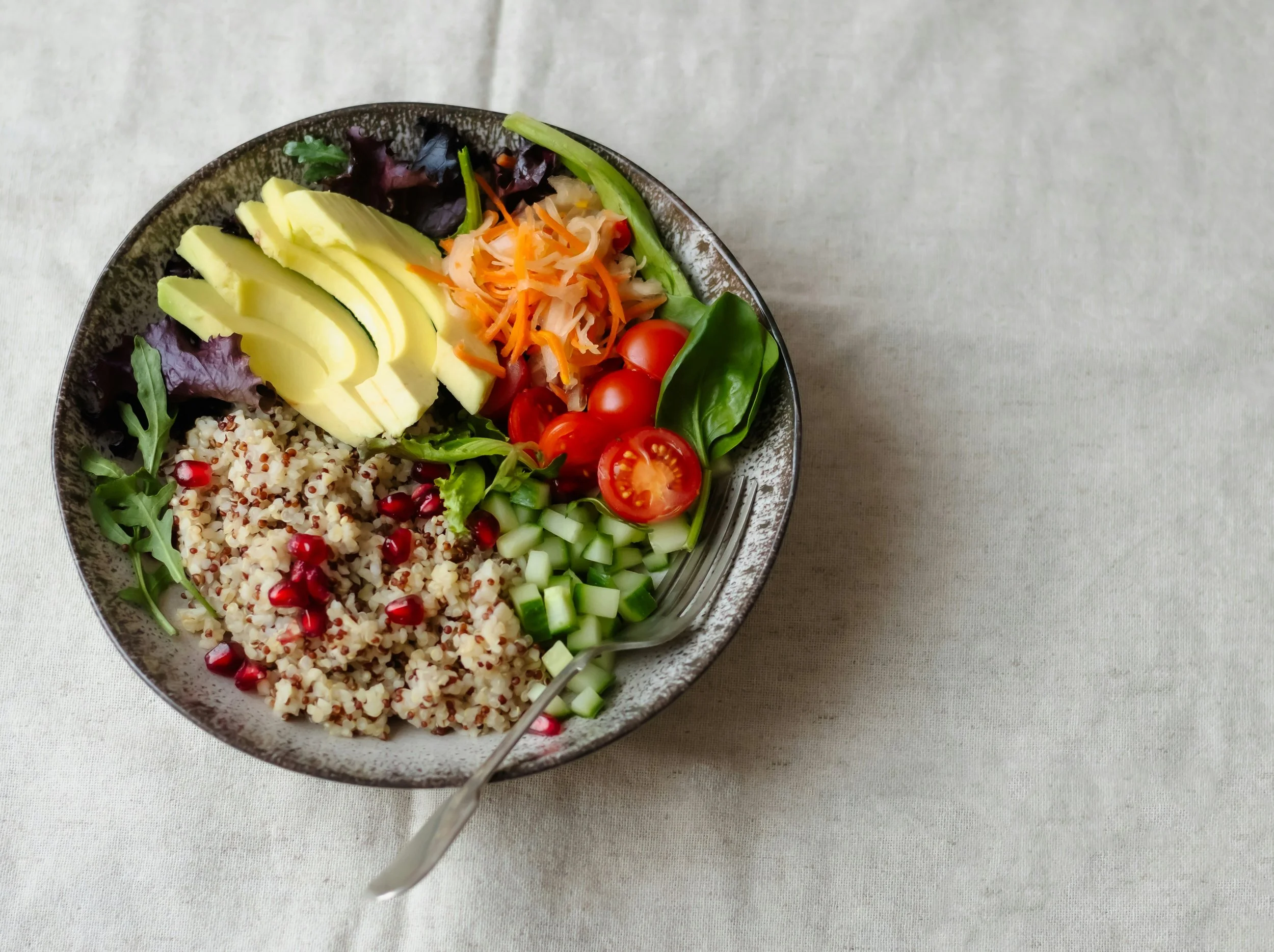
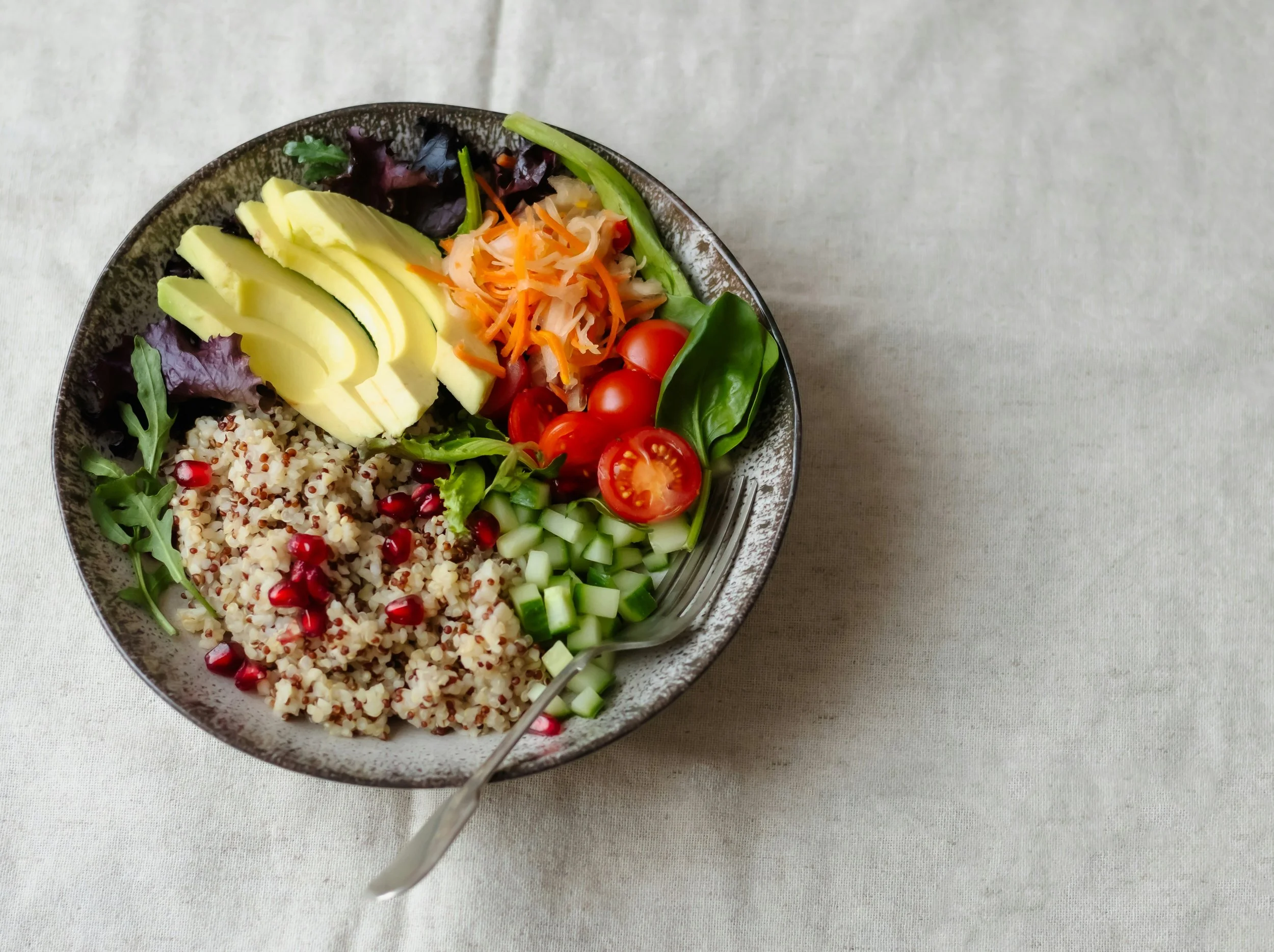
1) Eat Healthy Whole Foods
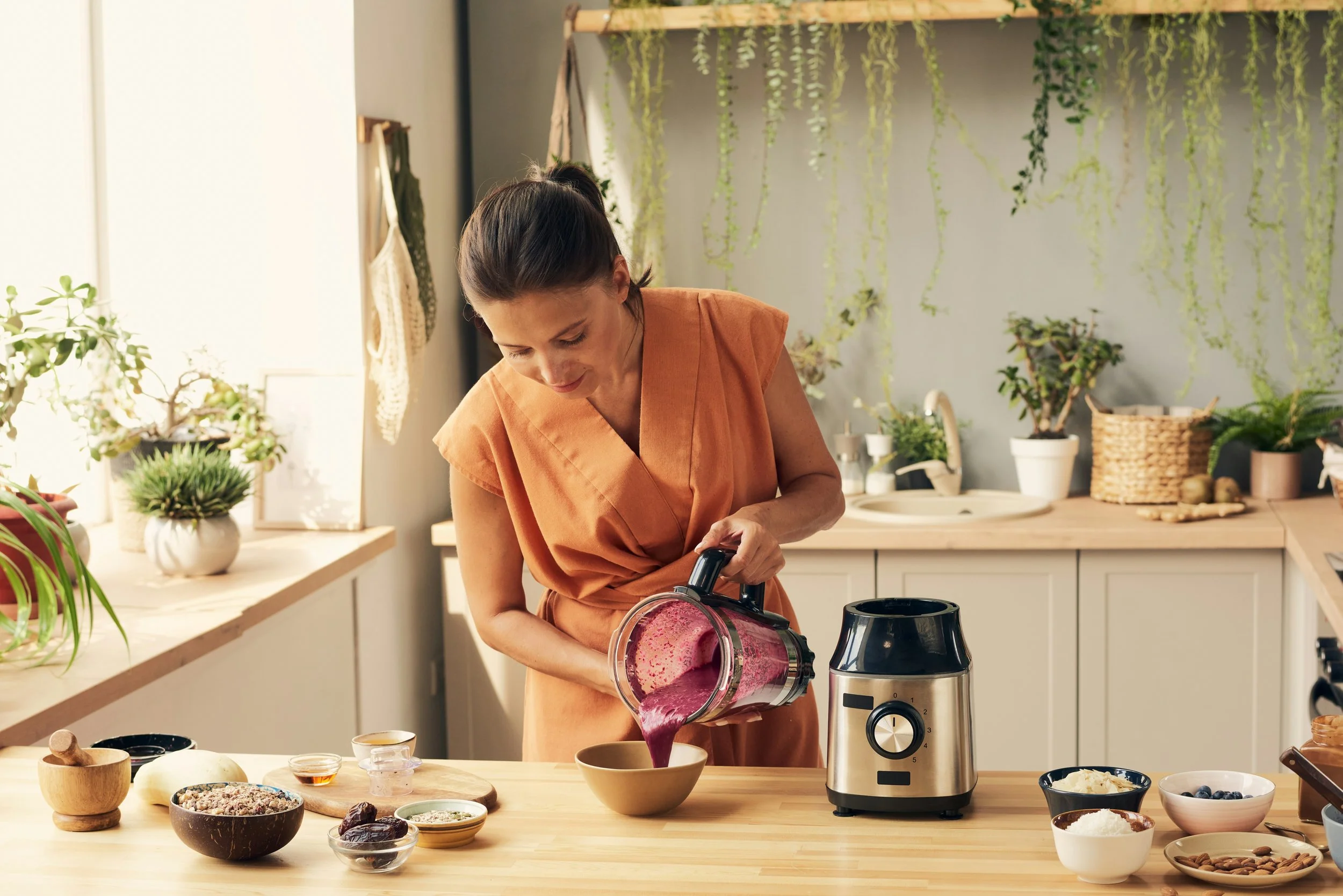
Your emotions aren’t only shaped by what happens around you—your body chemistry plays a role too. Hormones and brain messengers are built from what you consume, so food can influence mood, patience, and resilience.
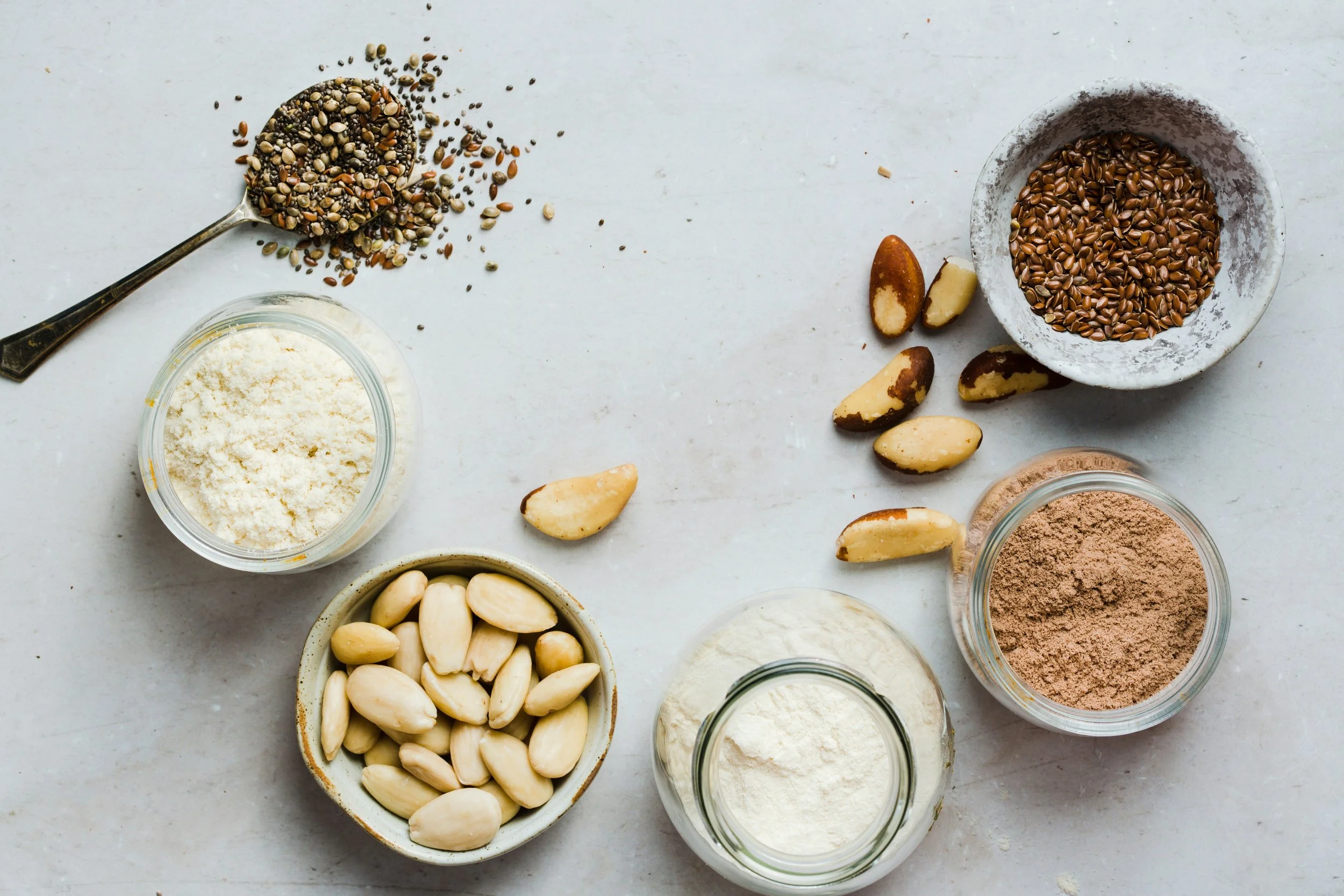
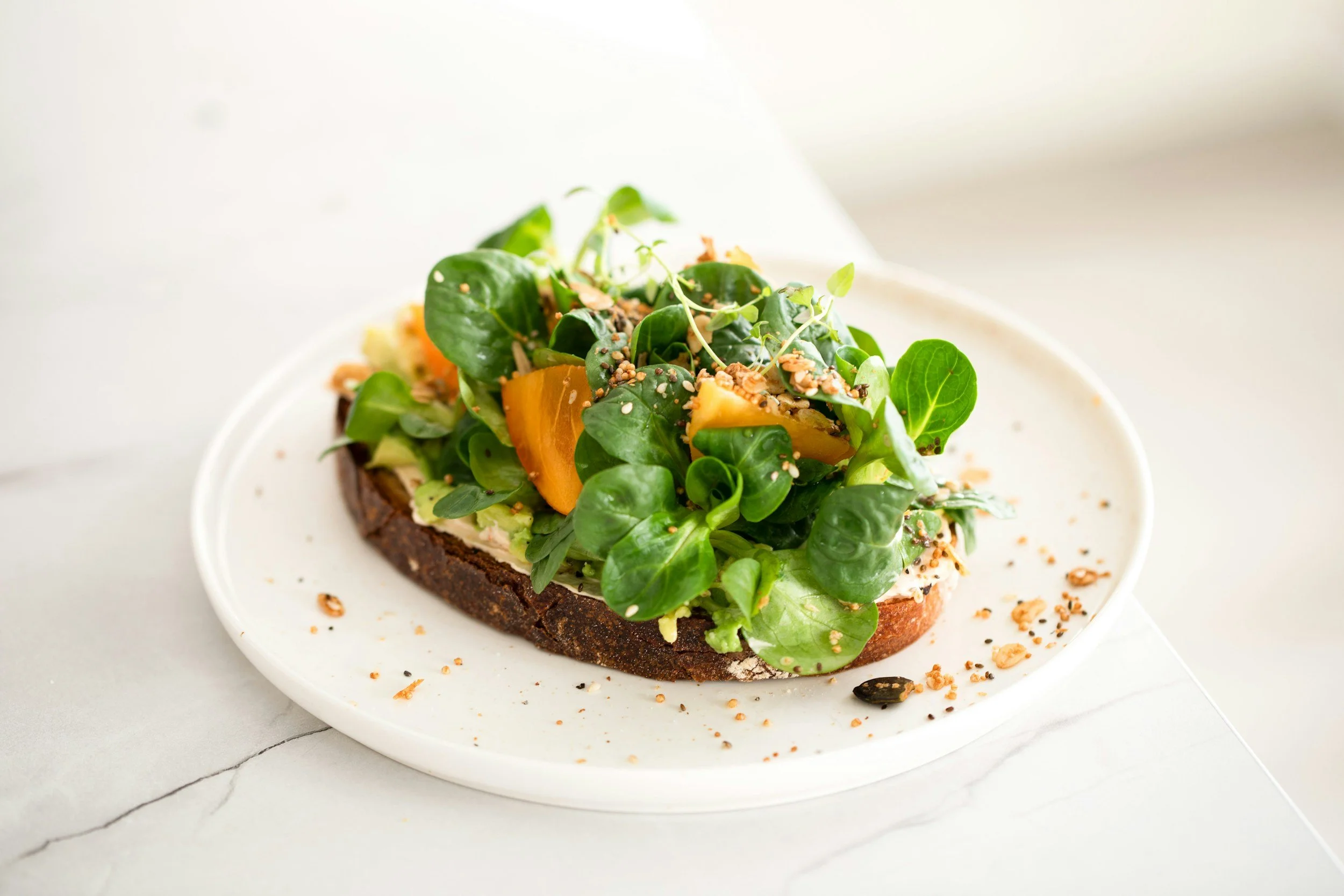
Prioritize real, nourishing foods that keep blood sugar stable (protein + fiber + healthy fats).
Notice patterns: do you feel more anxious, irritated, or low-energy after certain foods?
Think of clean eating as emotional support, not just physical health.
2) Practice Moderation
A glass of wine to unwind is one thing—using alcohol to numb stress is another. Alcohol can temporarily “take the edge off,” but it often increases anxiety, worsens sleep, and intensifies emotional lows afterward.
Ask yourself: am I drinking to enjoy…or to escape?
If it’s escape, swap in a calming ritual (tea, hot shower, walk, journaling) before you pour a drink.
Protect your mood by protecting your sleep—alcohol interferes with deep rest.
3) Do Work You Love (or Find Meaning in What You Do)
Purpose stabilizes emotions. When you feel disconnected from your work, it can create low-grade frustration, burnout, and emotional exhaustion.
If you can’t change your job immediately, add meaning in small ways: learning, mentoring, improving a skill, serving someone.
Start asking: What type of work makes me feel proud? Useful? Alive?
Even one aligned goal outside of work can restore hope and motivation.
4) Manage Stress Before It Manages You
Stress is not just mental—it changes your body’s chemistry. When stress becomes chronic, you may feel more reactive, drained, foggy, or emotionally sensitive.
Build daily “stress releases” into your life (movement, breathwork, quiet time).
Don’t wait until you’re overwhelmed—catch stress when it’s still small.
A simple check-in helps: What am I carrying today? Where do I feel it in my body?
5) Have a Support Network
You’re not meant to do life alone. A strong support system helps you process emotions, gain perspective, and feel safe when life feels uncertain.
Identify your “3 types” of support: emotional (comfort), practical (help), and wisdom (advice).
Communities count too—online groups, women’s circles, faith groups, wellness spaces.
Strong support reduces emotional burnout and increases resilience.
6) Find Healthy Coping Mechanisms
Comfort food, shopping, scrolling, and avoidance can feel good short-term—but often leave you feeling worse later. Healthy coping gives relief without regret.
Create a “calm menu”: walk, music, stretching, journaling, prayer, meditation, cleaning, creative outlet.
Replace the coping habit, don’t just remove it.
When emotions rise, ask: What do I need right now—comfort, clarity, or release?
7) Have Faith (or a Grounding Spiritual Practice)
Faith doesn’t have to look one specific way. What matters is having something bigger than the moment that helps you stay hopeful.
Prayer, gratitude, meditation, scripture, affirmations, nature—choose what fits you.
Faith can be the anchor that keeps you steady when life feels chaotic.
A simple practice: “Help me focus on what I can control today.”
8) Have Friends (and Make Space for Joy)
Friends aren’t just for hard times—healthy friendships give you laughter, connection, and emotional “oxygen.”
Spend time with people who feel safe, supportive, and real.
Let friendships be a place where you can breathe—not perform.
Joy is a resilience tool. Fun isn’t extra—it’s necessary.
9) Stay in Touch With Your Feelings
Avoiding feelings doesn’t make them disappear—it usually makes them louder later. Awareness helps you respond instead of react.
Practice naming emotions: “I feel hurt,” “I feel overwhelmed,” “I feel anxious.”
Give feelings space without judgment: you can feel it without letting it control you.
Process regularly so emotions don’t pile up into burnout.
10) Keep in Touch With Your Healthcare Provider
Emotional wellness is linked to physical wellness. Hormones, thyroid, nutrient deficiencies, sleep issues, and stress can all influence mood.
If something feels off for weeks, don’t ignore it.
Ask about labs if needed (vitamin D, iron, B12, thyroid, hormones, etc.).
Support is strength—getting help early protects your long-term wellness.