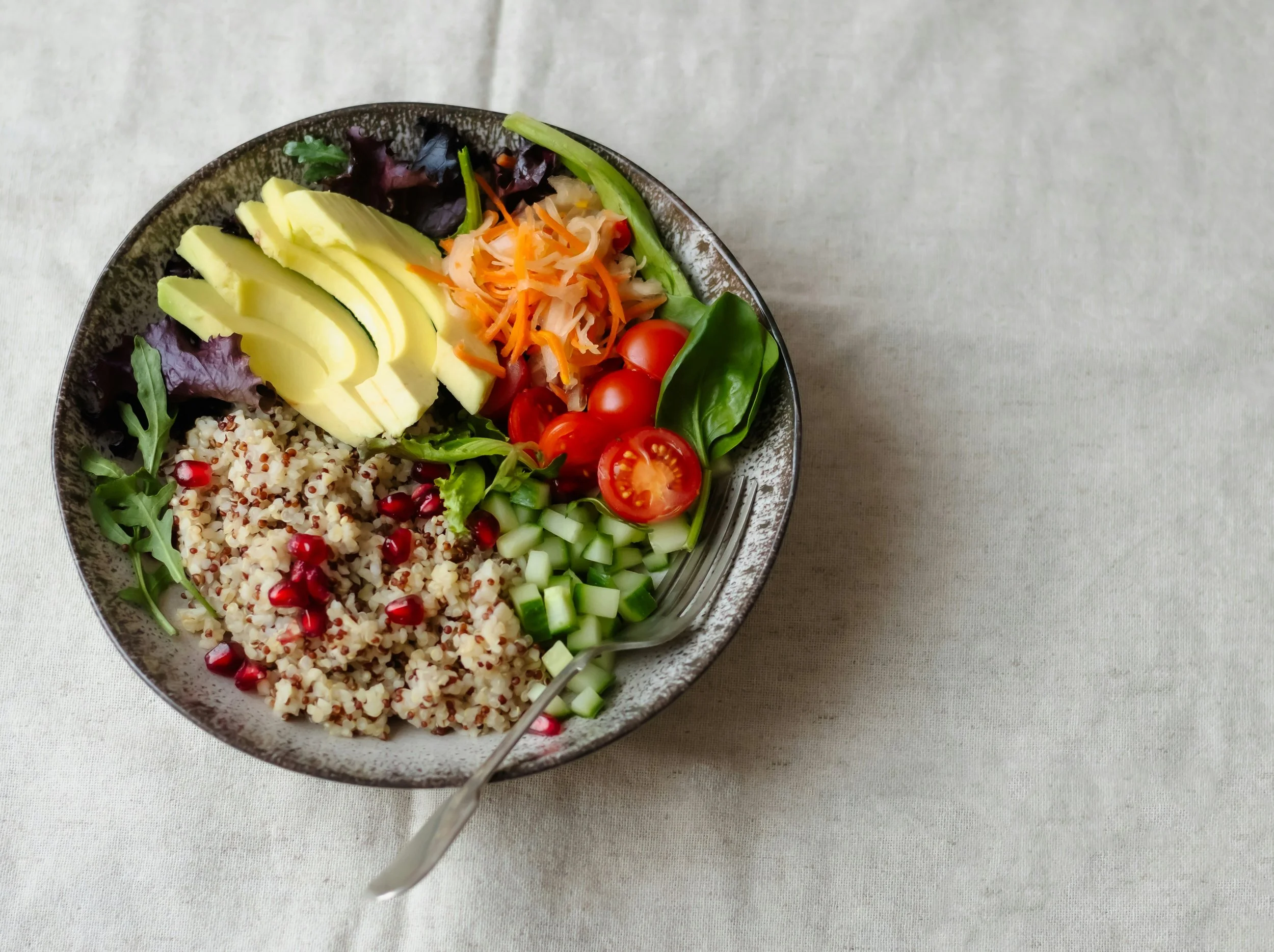
Mental wellness isn’t just about “thinking positive.” It’s about supporting your brain, nervous system, and daily habits so you can feel steady, focused, and emotionally balanced.
1) Eat Healthy Whole Foods
Your brain is part of your body—so what you eat affects how you think and how you feel.
Highly processed foods can contribute to energy crashes, brain fog, and mood swings. Whole foods help stabilize you.
Focus on real food: vegetables, fruit, lean proteins, healthy fats, and whole grains.
Include minerals your nervous system needs (like potassium and calcium) through foods such as leafy greens, beans, yogurt, bananas, and sweet potatoes.
Notice how your mood shifts after meals—your body gives feedback fast.
2) Monitor Carbs (Don’t Fear Them)
Your brain needs steady fuel, and carbohydrates play a big role in that.
Extreme low-carb approaches can leave you feeling irritable, foggy, or mentally “slow.”
Choose carbs that support your brain: fruit, oats, quinoa, brown rice, beans, and whole grains.
Limit processed carbs and sweets—they spike energy fast, then drop it just as fast.
The goal is balance: enough carbs to fuel you without the crash.
3) Eat the Right Fats
Healthy fats are essential for brain function and emotional stability. Your brain and nervous system rely heavily on fats for structure and signaling.
Prioritize: walnuts, avocado, olive oil, chia/flax seeds, and fatty fish (like salmon).
Add fat to meals to stay fuller longer and avoid mood dips from blood sugar swings.
Think of healthy fat as “brain support,” not something to avoid.
4) Practice Moderation with Alcohol
Alcohol affects brain chemistry, sleep quality, and emotional regulation—especially when it’s frequent or heavy.
Keep it moderate and intentional, not automatic.
Pay attention to how alcohol impacts your anxiety, sleep, and next-day mood.
If you’re using alcohol to cope with stress, that’s a sign to add healthier calming tools.
5) Keep Your Body Active
Movement improves circulation, delivers oxygen to your brain, and helps you reset mentally.
If you sit too long, your focus and energy can drop—sometimes fast.
Take movement breaks: a short walk, stretching, or even standing for 2 minutes.
When you’re stuck mentally, move your body to “unstick” your brain.
Consistent movement supports memory, mood, and stress resilience.
6) Keep Your Brain Active
Your brain stays sharper when you regularly challenge it.
Try puzzles, word games, logic games, learning a new skill, or reading something new.
Small challenges matter: a new recipe, a new route, a new routine.
Mental stimulation helps build and strengthen brain pathways over time.
7) Stay Connected to Your People
Healthy relationships protect mental health. Connection reduces stress and helps you feel supported and grounded.
Talk to people who leave you feeling better, not drained.
Social interaction challenges your brain in healthy ways—conversation builds mental flexibility.
A strong support system is a mental wellness tool, not a luxury.
8) Keep in Touch with Yourself
Self-awareness is one of the most powerful forms of mental wellness.
Take a moment to check in regularly:
How is my mood? My focus? My sleep? My energy?
Am I forgetting things more often than usual? Feeling unusually foggy or overwhelmed?
Is my stress building quietly in the background?
Noticing patterns early helps you respond sooner instead of waiting until you’re burned out.
9) Stay Connected to a Healthcare Provider
Mental health and physical health are deeply linked. If something feels “off,” it’s okay to get support.
Your provider can rule out issues that affect mental wellness (sleep problems, hormones, deficiencies, thyroid, etc.).
Don’t wait until it’s severe—early support is easier and often more effective.
Getting help is a sign of self-respect, not weakness.
10) Keep Reading and Learning
Your brain craves growth. Learning gives your mind purpose, keeps you mentally flexible, and can pull you out of emotional ruts.
Read books, articles, and studies that empower you.
Learn about stress, nervous system regulation, habits, mindfulness, and nutrition.
The more you understand yourself, the more control you gain over your choices.