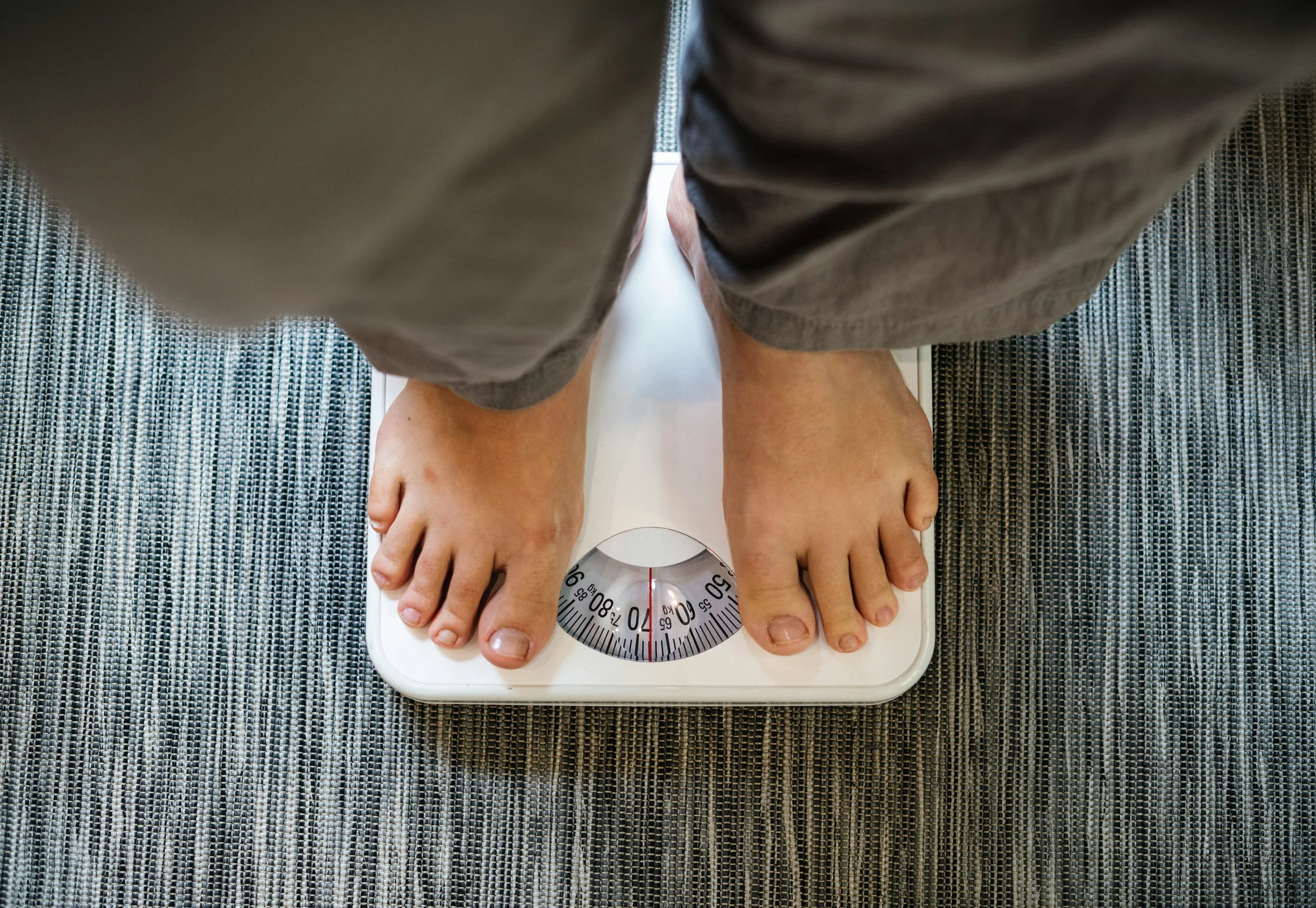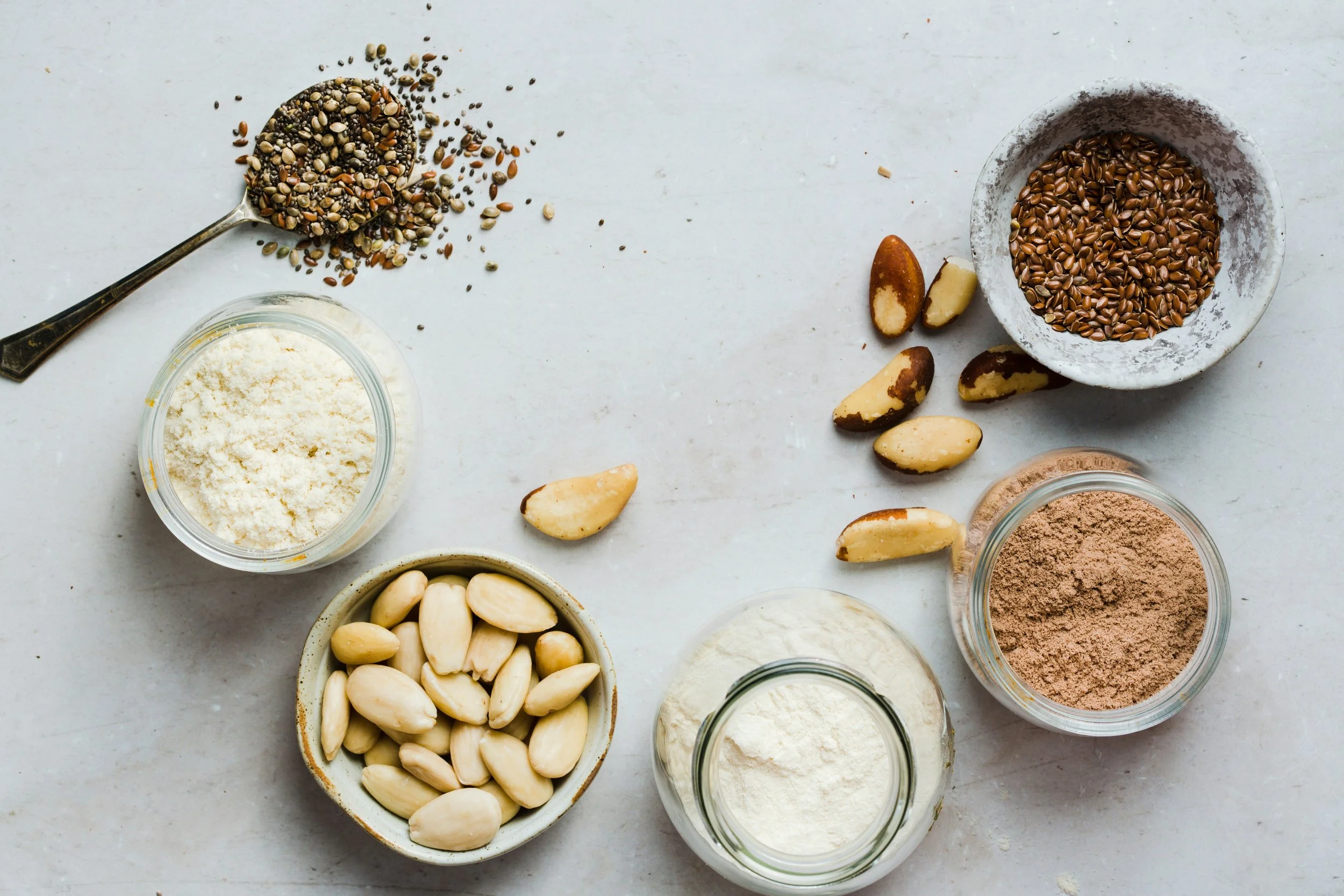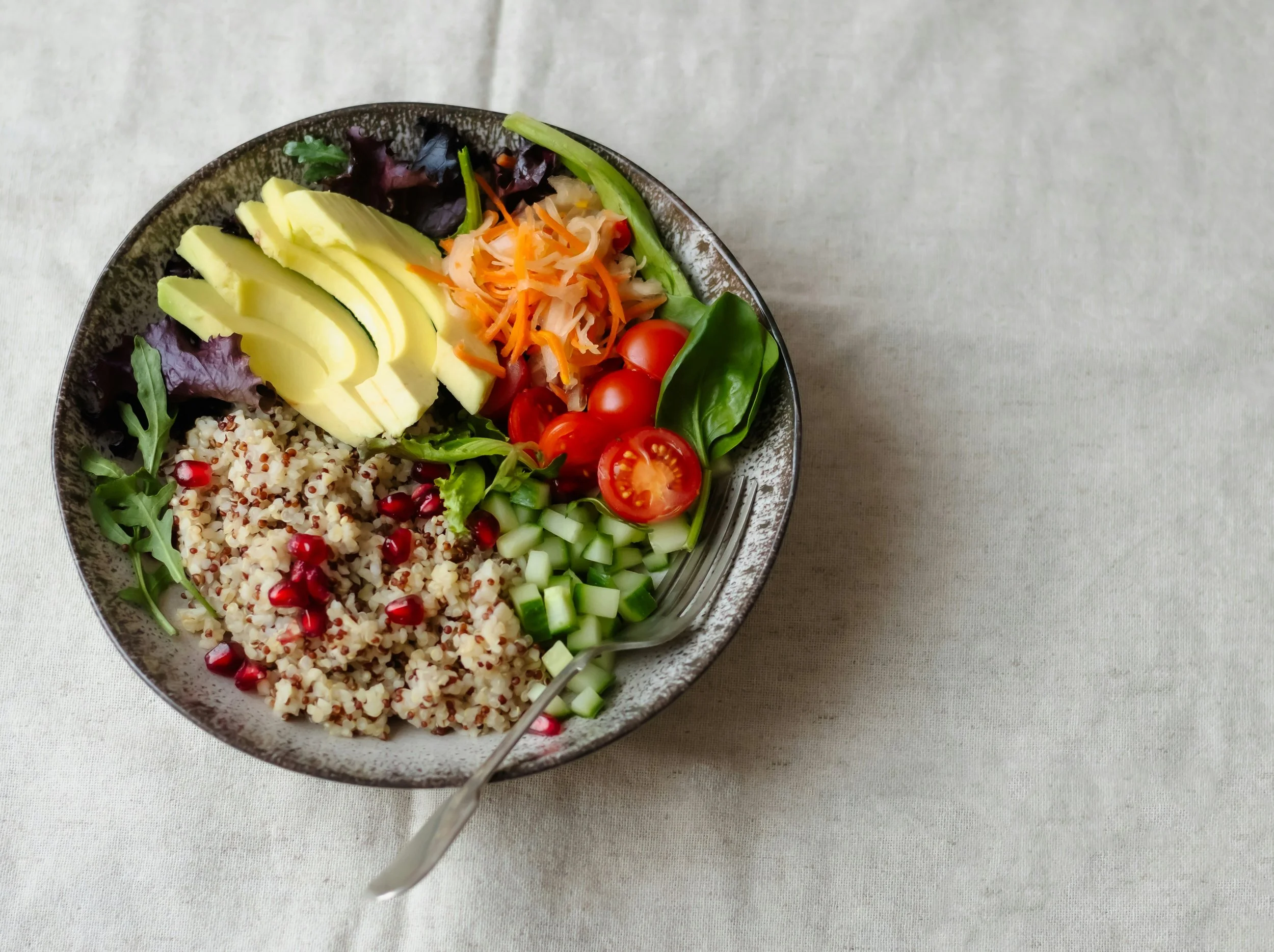
Physical wellness isn’t about perfection—it’s about daily choices that help your body feel stronger, clearer, and more supported.
1) Eat Healthy Whole Foods
Your body needs a variety of nutrients to function well, not just “healthy” food in general.
Build meals around real, whole foods: vegetables, fruit, lean protein, healthy fats, and quality carbs.
Eat a wide range of colors (greens, reds, oranges, purples) so you’re not missing key vitamins and minerals.
Keep it simple: focus on foods that are as close to their natural form as possible.
2) Stay Active
Movement is one of the fastest ways to boost energy, mood, and long-term health.
Activity supports your heart, lungs, circulation, and metabolism—not just weight.
As we age, we naturally lose muscle and bone mass—movement slows that down.
Aim for consistency over intensity: walking, strength training, stretching, dancing—anything counts.
3) Stay Hydrated
Hydration impacts energy, digestion, focus, and cravings.
A simple goal: one glass at each meal + one between meals.
Water is best, but herbal tea, coconut water, and smoothies can help, too.
Watch alcohol and heavy caffeine—both can leave you more dehydrated if you’re not balancing with water.
4) Get Plenty of Sleep
Sleep is when your body repairs, restores, and regulates hormones.
Poor sleep increases cravings, irritability, and brain fog.
Create a wind-down routine: dim lights, reduce screen time, and keep bedtime consistent.
Protect your sleep like an appointment—because your energy depends on it.
5) Manage Your Stress
Chronic stress doesn’t just “feel bad”—it affects your whole body.
Stress can disrupt digestion, sleep, immunity, and energy levels.
Use simple daily stress resets: walking, journaling, breathwork, meditation, or a quiet moment alone.
The goal isn’t to eliminate stress—it’s to stop living in it.
6) Practice Moderation
Even “healthy” habits can become unhealthy when they’re extreme.
Over-restricting food can backfire and lead to cravings and burnout.
Over-exercising can lead to fatigue and injury.
Build balance: nourishment + movement + rest + consistency.
7) Stay Connected to a Healthcare Provider
Prevention is powerful. Don’t wait until something feels wrong.
Regular checkups help you stay aware of what’s happening in your body.
Use your provider to support goals (nutrition, weight, stress, sleep, hormones).
Ask questions—your health deserves clarity.
8) Stay Connected to Friends
Social wellness supports physical wellness more than most people realize.
Healthy connections can lower stress and support immunity.
Friends can keep you accountable to movement and healthy routines.
Even one good friend can improve your overall well-being.
9) Stay Connected to Yourself
Your body is always communicating—most people just don’t listen.
Check in daily: Am I hungry, tired, stressed, dehydrated, overwhelmed?
Learn the difference between emotional cravings and physical hunger.
Small adjustments (water, rest, a real meal, a walk) can change your whole day.
10) Keep Learning
Wellness is easier when you understand what your body needs and why.
Keep learning about nutrition, hormones, stress, sleep, and movement.
Be mindful of misinformation—stick to simple, sustainable principles.
Knowledge helps you make empowered choices instead of reactive ones.